YouGov Reveals Top 50 Global and U.S. Brands for 2026
Global and U.S. Leaders Emerge in Annual Brand Health Study
Market research firm YouGov has released its highly anticipated ‘Best Brand Rankings 2026,’ identifying the strongest brands in the United States and across the globe. The annual report, based on over six million consumer surveys conducted across 28 markets, assesses brand health through YouGov’s BrandIndex tool, which tracks metrics like Impression, Quality, Value, Satisfaction, Reputation, and Recommendation.
According to YouGov executives, consistency and embedding brands into everyday life are key drivers of brand strength. ‘The strongest brands today aren’t necessarily the loudest. They are the most embedded,’ stated Brandy Hecke, senior enterprise account director at YouGov. ‘Habit beats hype. Platforms like YouTube and WhatsApp perform well not because they’re constantly persuading you but because people return to them instinctively.’
U.S. Top Brands Dominated by Familiar Names
In the United States, Amazon retained its top position for 2026. The online retail giant was consistently described by consumers as fast, easy, and comprehensive, setting a high standard for modern shopping. Affordability, discounts, and flexible payment options also contribute to Amazon’s everyday relevance, although concerns regarding ethics, product quality, and authenticity were noted.
‘The top 10 reminds us that strong brand health does not come from doing more. It comes from doing the right things repeatedly in a way that genuinely fits into people’s lives,’ Hecke added.
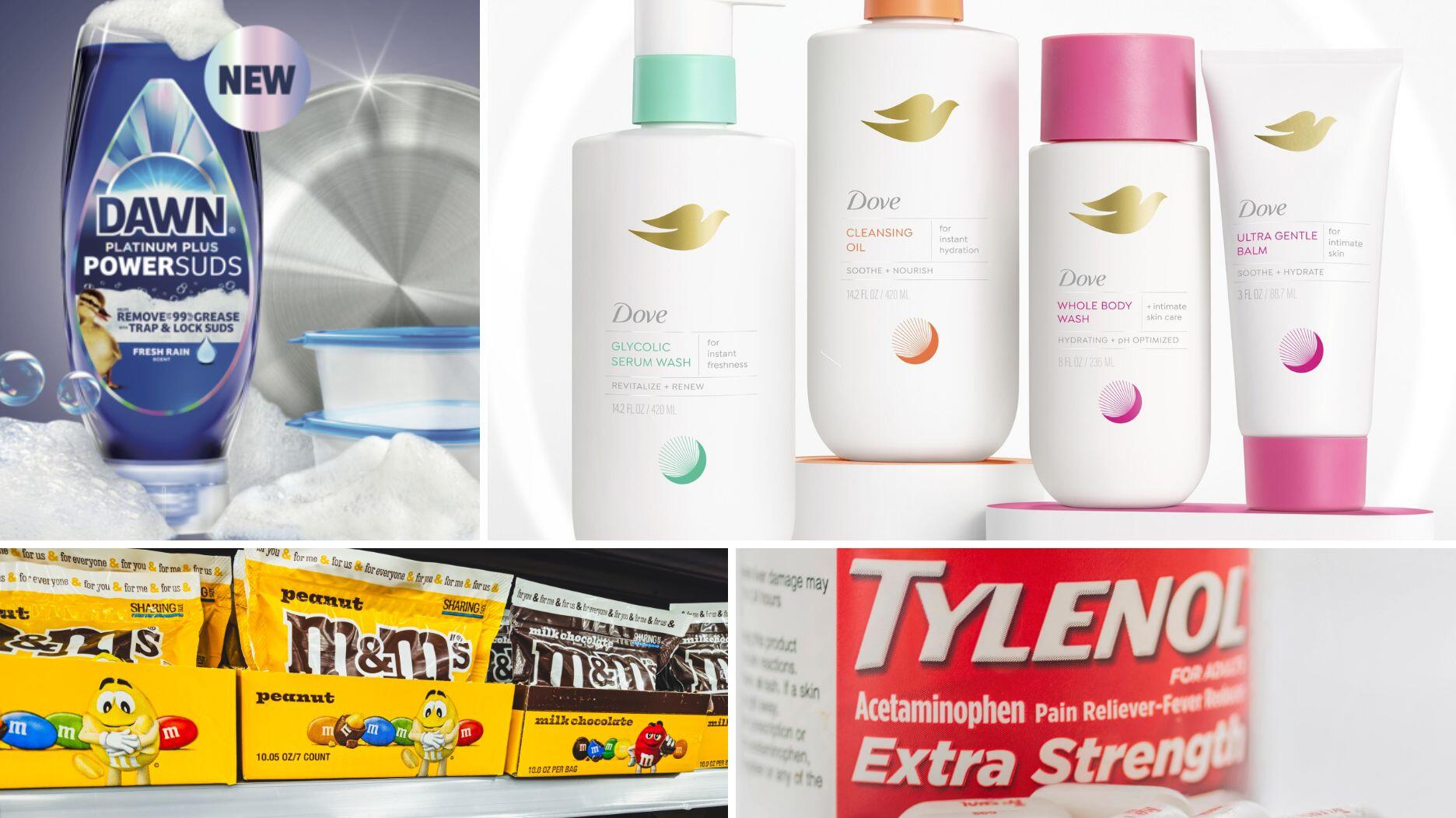
The complete U.S. top 10 for 2026 includes:
- Amazon
- Band-Aid
- Dawn
- Dove
- Samsung
- St. Jude Children’s Research Hospital
- M&M’s
- Amazon Prime
- YouTube
- Tylenol
Notably, every brand in the U.S. top 10, except Tylenol, also appeared in the previous year’s ranking, highlighting significant brand stability. St. Jude Children’s Research Hospital was identified as an outlier among the tech and consumer product brands, excelling in the advocacy and giving sector due to its cost-free care for children and families.
Global Brands: Tech Giants Lead the Pack
Worldwide, technology platforms and household names also secured top spots in YouGov’s global rankings. WhatsApp claimed the number one position globally, with an average Index score of 41.5, showing particular strength in India and Indonesia.
The global top 10 brands for 2026 are:
- Samsung
- YouTube
- Adidas
- Nike
- Netflix
- Dettol
- Colgate
- Toyota
Similar to the U.S. rankings, most of these global top 10 brands were present in the previous year’s list, underscoring the enduring strength of established brands. Samsung followed WhatsApp closely, bolstered by a high Quality score.
Most Improved Brands Show Resilience and Innovation
YouGov also highlighted the brands that demonstrated the most significant year-on-year improvement in their Index scores. In the U.S., Cheerios led the pack, driven by a successful campaign promoting its higher protein cereal and the popular return of a limited-edition frosted lemon flavor. General Mills, Lindt, and Johnson & Johnson were also among the U.S.’s most improved brands.
‘Ongoing product innovation and portfolio updates keep a brand like Cheerios relevant while evolving consumer tastes change,’ explained Ryan Gross, senior vice president of data products and client services at YouGov.
In the UK, the Post Office ranked as the most improved brand, achieving an 8.9-point year-on-year increase. This improvement is attributed to rising satisfaction and enhanced public perception following its recovery from the sub-postmaster scandal. Royal Mail and Fujitsu also featured in the UK’s top most improved brands.
Methodology and Key Drivers of Brand Health
The YouGov Best Brand Rankings are calculated using data from YouGov BrandIndex, which tracks around 30 million panelists across numerous markets. The Index score synthesizes six core brand health metrics: Impression, Quality, Value, Satisfaction, Recommend, and Reputation. Brands must meet specific tracking criteria across multiple markets to qualify for inclusion in the global and regional rankings.
‘Value and trust are especially important to brand health in the U.S.,’ noted Brandy Hecke. Globally, brands that have become integral to daily routines, consistently meet expectations, and build trust through reliability are those that resonate most strongly with consumers.
Sources
- —
- —
- —
- —