Wiley and AMNH Collaborate to Create Vast Raman Spectral Mineral Database
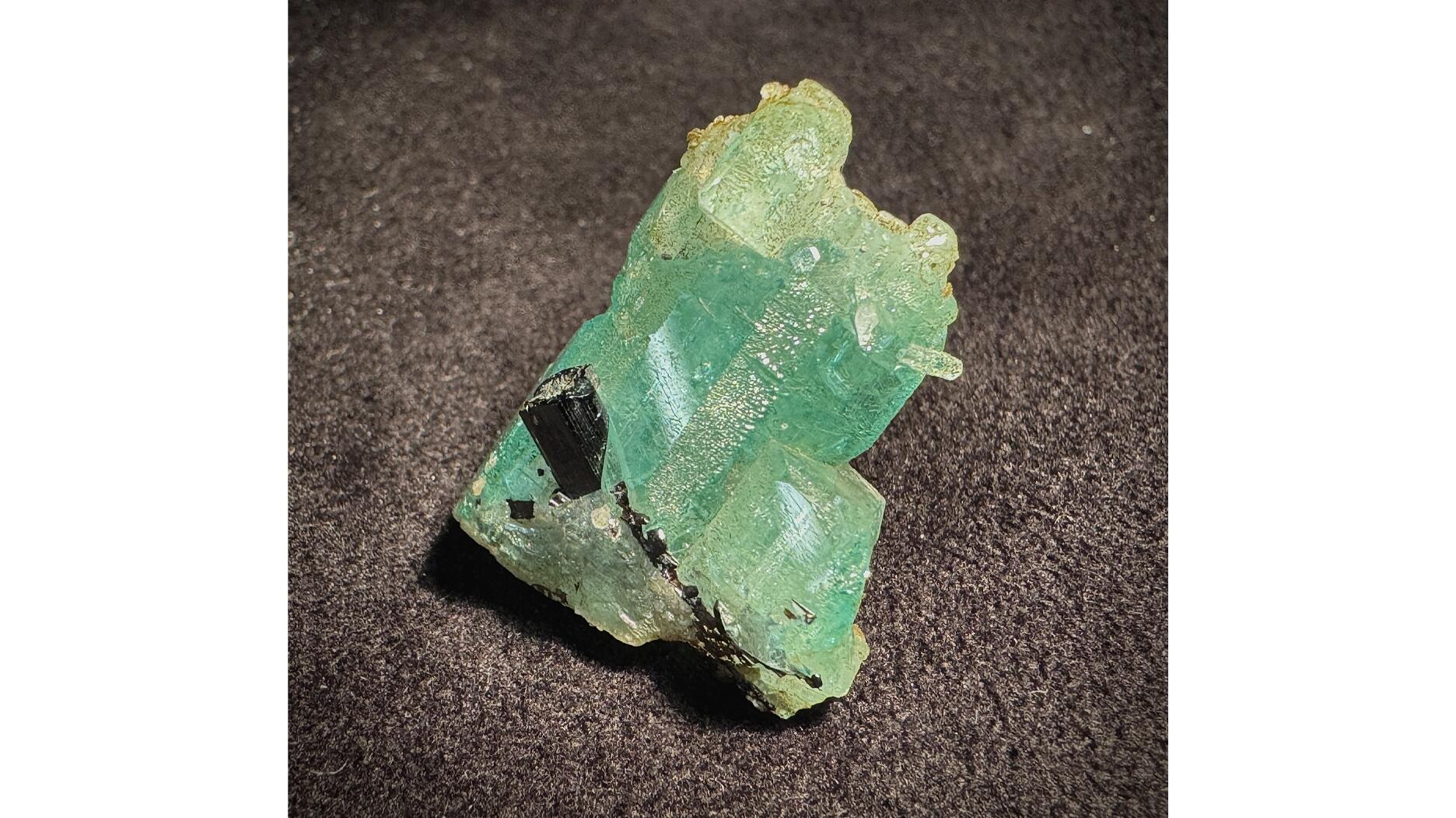
Digitizing a World-Class Collection for Global Research
Wiley, a leader in research intelligence, and the American Museum of Natural History (AMNH) have launched a significant collaborative project to create a comprehensive Raman spectral database. This initiative will digitize spectra from AMNH's extensive mineral collection, which comprises over 120,000 mineral specimens and 5,000 gems—one of the largest and most important collections of its kind globally. The goal is to provide researchers worldwide with unprecedented access to authenticated reference data.
The partnership aims to enhance scientific discovery and education by making the invaluable data from AMNH's collection, a cornerstone of geological research since 1869, more accessible. Kate Kiseeva, curator in the Division of Physical Sciences and of the Mignone Halls of Gems and Minerals at AMNH, stated, 'This project with Wiley will greatly expand access to this valuable scientific collection in new ways, providing scientists worldwide with high-quality spectroscopic reference data that will advance mineral identification and analysis for years to come.'
Expanding Access and Scientific Utility
Spectral databases are crucial for scientific research, acting as chemical 'fingerprint' libraries. Researchers rely on these authenticated reference standards to identify unknown materials by comparing their spectral signatures. This collaboration is particularly significant as access to such high-caliber authenticated mineral spectra has historically been limited.
The implications of this project span multiple disciplines. Geologists and mineralogists will benefit in both field and laboratory settings. Forensic scientists can utilize the data for analyzing trace evidence, while archaeologists may use it to authenticate artifacts. Materials scientists will have access to reliable data for developing and testing new compounds.
Furthermore, the expanded database is expected to support the development of machine learning algorithms and computational models for analyzing novel materials. Wiley will distribute the digitized data through two platforms: its licensed KnowItAll analytical chemistry software and SpectraBase, its publicly accessible online spectral database. This dual-access approach ensures that both commercial and academic users can benefit from the resource.
Project Scope and Future Implications
Graeme Whitley, senior director of data science solutions at Wiley, emphasized the project's alignment with the company's broader mission to build shared scientific infrastructure. 'The AMNH's minerals collection represents an extraordinary scientific resource,' Whitley said, 'and by creating comprehensive spectral libraries, we're enabling researchers everywhere to leverage this knowledge in their work.'
This partnership signifies a growing trend of museums digitizing their vast physical holdings to increase their scientific return. By making spectral data available, institutions like AMNH can extend the reach of their collections beyond on-site visitors, fostering global research collaborations.
The first installment of data from the AMNH collection is anticipated to be available in spring, with additional records to be integrated incrementally over time. This initiative not only serves the immediate needs of researchers but also supports the AMNH's strategic goal of digitizing its collections and disseminating knowledge about the natural world.
Sources
- —
- —
- —