Watches of Switzerland Reports Strong Q3, Raises Full-Year Guidance Amidst Robust Demand
Holiday Quarter Performance Exceeds Expectations
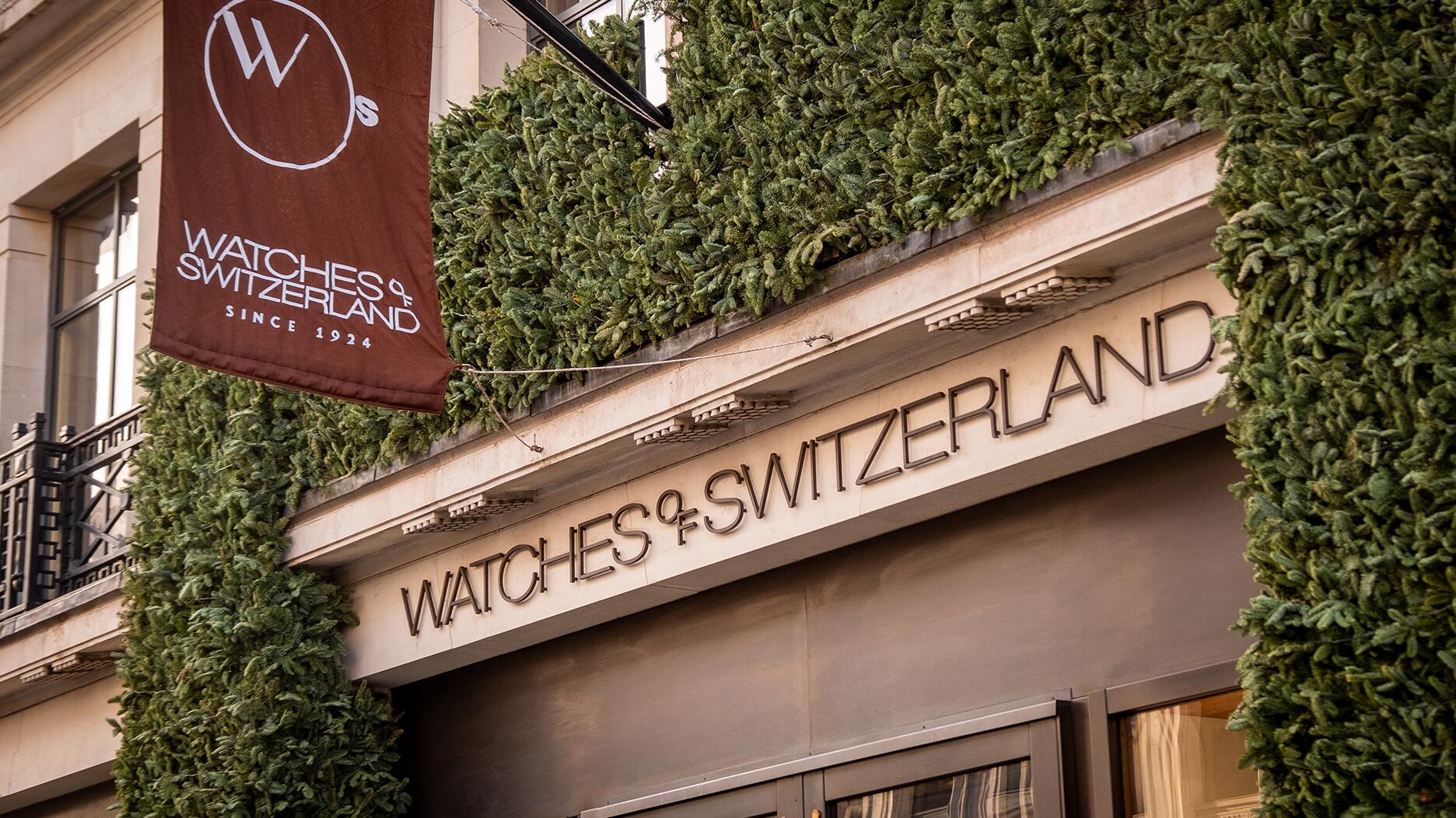
Watches of Switzerland Group has announced a robust third quarter for the fiscal year, driven by strong holiday season sales and sustained demand for luxury timepieces. The company has consequently raised its full-year revenue guidance, signaling confidence in its market position and operational strategy.
The luxury watch and jewelry retailer reported that trading throughout the fiscal third quarter, ending Jan. 25, was strong across the group. Demand for its key luxury brands continues to outstrip supply in both the U.K. and the U.S. This positive performance allowed the company to update its full-year outlook, now expecting sales growth in constant currency to be between 9 percent and 11 percent, an increase from the previous projection of 6 percent to 10 percent.
U.S. Market Shows Broad-Based Growth
The U.S. market was a particular highlight, delivering sustained, broad-based growth across various categories, brands, and price points. This success is attributed to strong client demand and the effectiveness of the group’s operating model. Initiatives such as the Roberto Coin marketing campaign, starring Dakota Johnson, and a continued focus on product ranging and merchandising have contributed to excellent sales performance in North America.
Further strengthening its U.S. presence, Watches of Switzerland announced on Jan. 22 the acquisition of Texas-based jeweler Deutsch & Deutsch. This acquisition includes four Rolex-anchored showrooms across the state. The four Texas stores generated combined revenue of $67 million in the fiscal year ended Dec. 31, and the company views the acquisition as highly complementary to its existing portfolio and a key move to bolster its position in a vital U.S. market. Initial integration of the acquired stores is reported to be progressing well.
U.K. Market Performance and Key Boutiques
In the U.K., trading conditions remained consistent with recent periods, with the company’s Rolex boutique on Old Bond Street demonstrating excellent momentum. The retailer has focused on leveraging client engagement insights from this flagship showroom to elevate the luxury retail experience across its wider store network. While the U.K. market is described as stable, with sentiment showing slight improvement, the company noted a greater emphasis on value during the Christmas season, reporting a good holiday period overall.
Strategic Investments and Outlook
The company's positive results are underpinned by strategic investments in marketing, client experience, showroom development, and its acquisition of Hodinkee. Investments in e-commerce, including new systems and dedicated teams, have also yielded positive results with good growth reported in the U.S.
Looking ahead, CEO Brian Duffy stated, “We remain focused on further cementing our market position across both the U.S. and U.K., underpinned by our differentiated model, longstanding brand partnerships, and disciplined execution.”
Margin Outlook and Financial Considerations
Despite the strong sales performance and raised revenue guidance, Watches of Switzerland now expects its EBIT margin to decline by 70-90 basis points year-over-year. This contrasts with its earlier projection of flat to down 100 basis points. The company attributes this margin pressure to several factors, including brand margin adjustments, product mix shifts, investments in infrastructure, and one-off items such as provisions for a Roberto Coin debtor and the mix shift towards the lower-margin certified pre-owned watch business. However, management anticipates EBIT margin improvement in the second half of the fiscal year compared to the first half.
The company is also maintaining its capital expenditure guidance, expecting it to remain stable at £65 million to £70 million for the fiscal year 2026.
Sources
- —
- —
- —
- —