US and India Finalize Trade Deal Framework, Offering Relief to Diamond Industry
Trade Deal Progressing Towards Finalization
The United States and India are reportedly very close to finalizing a bilateral trade agreement, with senior officials from both nations confirming significant progress. While a firm timeline for the final signing remains undetermined, the ongoing negotiations in Washington D.C. have seen a framework agreement take shape, with most substantive issues resolved. This potential deal is seen as a crucial step in strengthening economic and strategic ties between the world's largest economy and one of its fastest-growing major economies.
Key Tariff Revisions for the Jewelry Sector
A significant aspect of the proposed trade deal, particularly beneficial for the jewelry industry, involves tariff revisions. Under the agreement framework:
- The reciprocal tariff on Indian goods entering the U.S. will be reduced from 25 percent to 18 percent.
- The additional 25 percent tariff imposed on India for purchasing Russian oil will be removed.
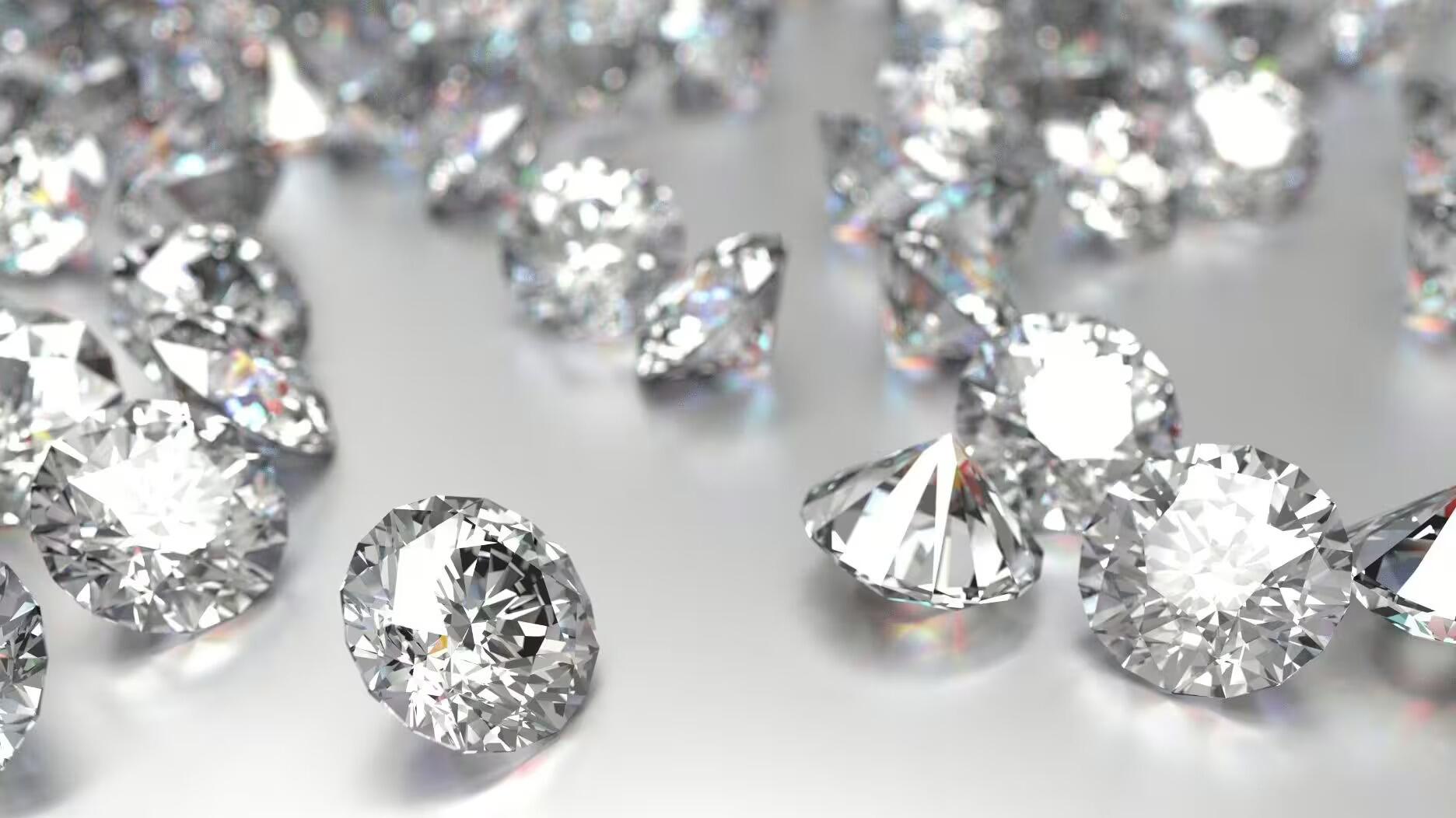
- Certain goods, including rough and polished natural diamonds and gemstones, and natural pearls, are expected to be exempt from tariffs.
- Natural diamonds and colored gemstones set into jewelry, as well as cultured pearls and lab-grown diamonds, will be taxed at a reduced rate of 18 percent.
Jewelers of America (JA) has been actively involved in these discussions, highlighting the critical role India plays in the diamond and gemstone supply chain. JA President and CEO David Bonaparte expressed enthusiasm for the inclusion of diamonds and gemstones in the negotiations, stating, 'We are thrilled they listened and as a result included diamonds and gemstones as a part of the larger negotiation with India.' The Gem & Jewellery Export Promotion Council, India's counterpart to JA, has also been instrumental in advocating for the inclusion of these items.
Broader Economic Goals and Industry Response
The broader trade agreement aims to expand market access and deepen economic ties, with an ambitious goal of reaching $500 billion in bilateral trade by 2030. India, in turn, will eliminate or reduce tariffs on a range of U.S. industrial goods and agricultural products.
While the framework agreement represents a significant step forward, organizations like the Jewelers Vigilance Committee (JVC) have advised industry members to remain vigilant. JVC recommends assessing supply chains, understanding the potential impact of the deal on costs and sourcing strategies, and consulting with customs brokers and legal counsel. JVC pledges to provide further updates as the interim agreement is finalized and implementation details are published.
High-Level Negotiations and Future Outlook
Senior officials, including U.S. Deputy Secretary of State Christopher Landau and Indian delegates led by Darpan Jain, Additional Secretary in the Department of Commerce, have been involved in the latest rounds of negotiations. U.S. Ambassador to India, Sergio Gor, has hailed the prospective agreement as a 'win-win for both nations.' Commerce and Industry Minister Piyush Goyal also indicated that the first tranche of the bilateral trade agreement is 'almost finalised,' with a focus on securing preferential market access for India in the U.S. market.
The U.S. administration, including figures like former senior counselor to the president on trade and manufacturing Peter Navarro, has been engaged with industry stakeholders to understand the complexities of the jewelry supply chain. This collaborative approach has been key in ensuring that diamonds and gemstones were considered for tariff exemptions.
Sources
- —
- —
- —
- —