Supreme Court Rules Against IEEPA Tariffs, Citing Lack of Presidential Authority
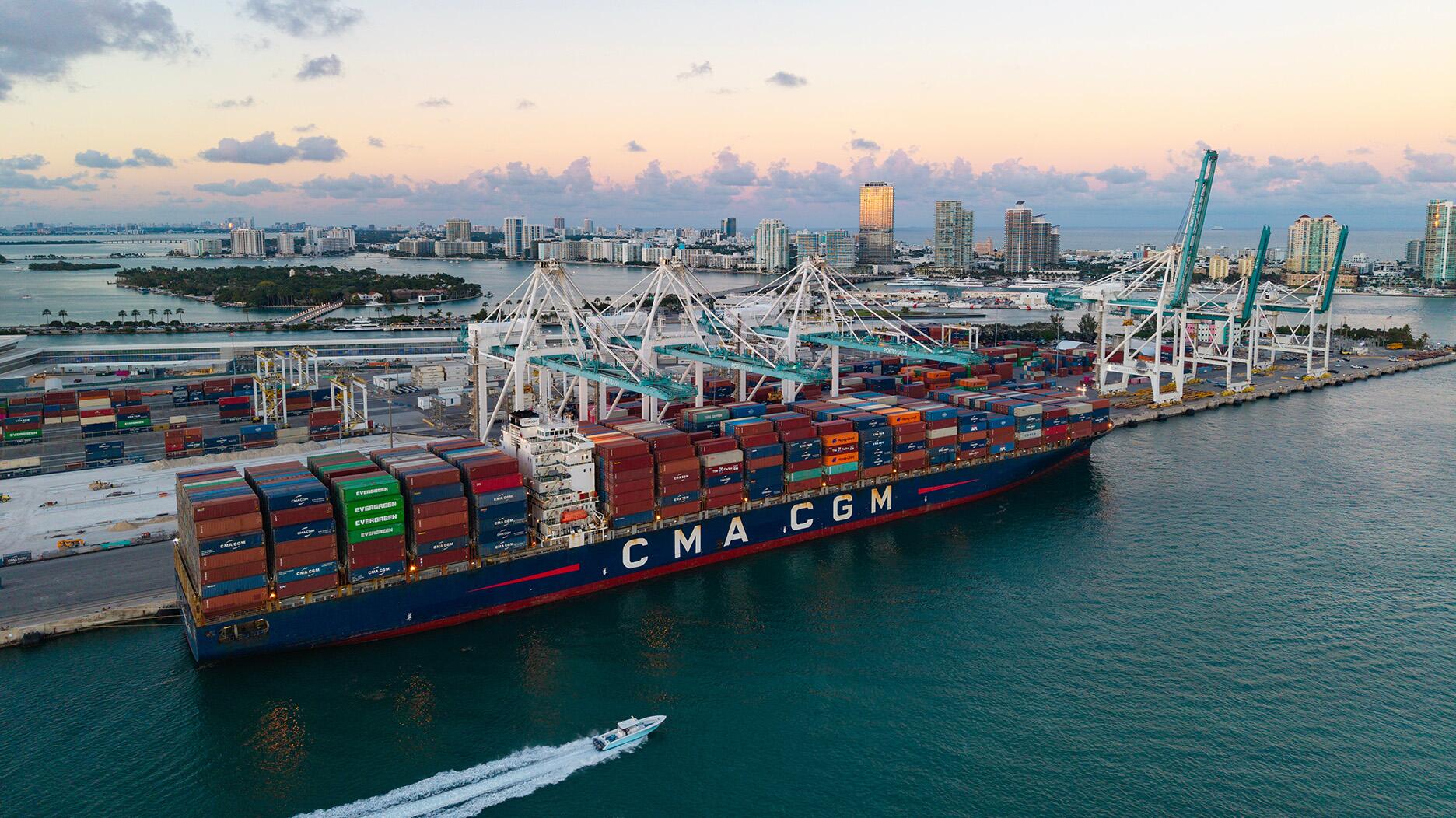
The United States has terminated all tariffs imposed under the International Emergency Economic Powers Act (IEEPA) following a landmark Supreme Court decision on February 20, 2026. The ruling, which declared that IEEPA does not grant the president the authority to impose tariffs, effectively ended these duties at 12:00 a.m. eastern time on February 24, 2026. While the tariffs themselves are now unlawful, the Supreme Court has remanded the complex issue of refunds for previously paid tariffs to lower courts, with further developments anticipated in the coming weeks.
Supreme Court Rejects IEEPA Tariff Authority
The Supreme Court’s decision in Learning Resources, Inc. v. Trump consolidated several legal challenges against the tariffs, which had been filed by U.S. businesses and governments throughout 2025. The court’s majority opinion, grounded in the U.S. Constitution and the text of IEEPA, affirmed that Congress alone holds the power to impose taxes or tariffs. Justices concluded that the president cannot unilaterally levy tariffs during peacetime and that any such power must be explicitly delegated by Congress. Analyzing the IEEPA statute, the Court found that while the act allows the president to 'regulate... importation,' the term 'regulate' does not extend to the imposition of tariffs or taxes.
Chief Justice John Roberts stated in the majority opinion, 'The Framers did not vest any part of the taxing power in the Executive Branch.' The Court further elaborated that if Congress had intended to grant the president the 'distinct and extraordinary power to impose tariffs' through IEEPA, it would have done so explicitly, as it has with other tariff-related statutes.
Termination of Tariffs and Executive Actions
In response to the Supreme Court's ruling, President Trump issued an executive order on February 20, 2026, directing the termination of all IEEPA-based tariffs as soon as practicable. U.S. Customs and Border Protection (CBP) followed with guidance on February 22, confirming the halt of tariff collection for goods entered or withdrawn from warehouse on or after February 24, 2026. Although the legal challenges primarily targeted specific tariffs, such as those on goods from Canada, Mexico, and China related to fentanyl trafficking, and global reciprocal tariffs, the administration’s executive order revoked all IEEPA-based tariff authorities.
The affected executive orders include:
- China trafficking tariff: Previously 10% (initially 20%) on imports from China.
- Canada trafficking tariff: Ranging from 35% to 10% on imports from Canada not qualifying for USMCA preferential treatment.
- Mexico trafficking tariff: 25% (or 10% on certain fertilizer products) on imports from Mexico not qualifying for USMCA preferential treatment.
- Global reciprocal tariffs: A minimum of 10%, reaching up to 41%, on nearly all countries and products not covered by other specific tariffs.
- Brazil additional tariff: A 40% additional tariff on most imports from Brazil.
- India (Russia Oil) additional tariff: A 25% additional tariff on most imports from India, effective from August 27, 2025, to February 7, 2026.
- Secondary tariff orders: Systems established for tariffs on countries trading oil and certain products with Cuba, Venezuela, Russia, and Iran, though no tariffs were active under these at the time of the ruling.
De Minimis Suspension and Unaffected Tariffs
The suspension of the customs de minimis entry, which eliminated duty-free entry for shipments valued at $800 or less, was also based on IEEPA. This suspension, originally enacted on August 29, 2025, was tied to the IEEPA tariff executive orders. To maintain the suspension, President Trump issued a new executive order on February 20, 2026, establishing a different legal basis. CBP guidance confirms that this new order keeps the de minimis suspension in effect without modification.
Tariffs imposed under authorities other than IEEPA remain unaffected. This includes Section 301 tariffs on imports from China and Nicaragua, and Section 232 tariffs related to national security on steel, aluminum, vehicles, copper, timber, and certain semiconductors.
Economic and Diplomatic Fallout
Despite the legal victory for importers, the Supreme Court’s decision comes after significant economic disruption. U.S. consumers are estimated to have paid the majority of the $175 billion tariff bill through higher prices, according to Goldman Sachs. While the Court of International Trade is expected to facilitate refunds, recovery is largely limited to direct importers or those who purchased their claims, leaving consumers unlikely to recoup any portion of the increased costs they absorbed.
Experts suggest that the tariffs have harmed the broader economy, contributing to increased manufacturing costs, decreased consumer sentiment, and a record high trade deficit. The New York Fed and the Kiel Institute reported that U.S. firms and consumers bore over 90% of the tariff costs. This economic impact, coupled with the perceived unpredictability of the administration's trade policies, has also damaged the United States' credibility as a global leader and ally. Allies have reportedly sought new partnerships and are discussing 'de-risking' from the U.S. and the U.S. dollar, potentially altering the global economic order.
In the immediate aftermath of the Supreme Court’s decision, President Trump announced new, temporary 10% global tariffs under Section 122 of the Trade Act of 1974, effective February 24, 2026, for an initial period of 150 days. These new duties will exclude certain food products, important minerals, and goods already subject to separate, unaffected tariffs. This move signals the administration's intent to continue pursuing tariffs through alternative legal avenues, potentially leading to further legal challenges and economic uncertainty.
Sources
- —
- —
- —