Supreme Court Strikes Down Trump's Tariffs, President Responds With New Levy
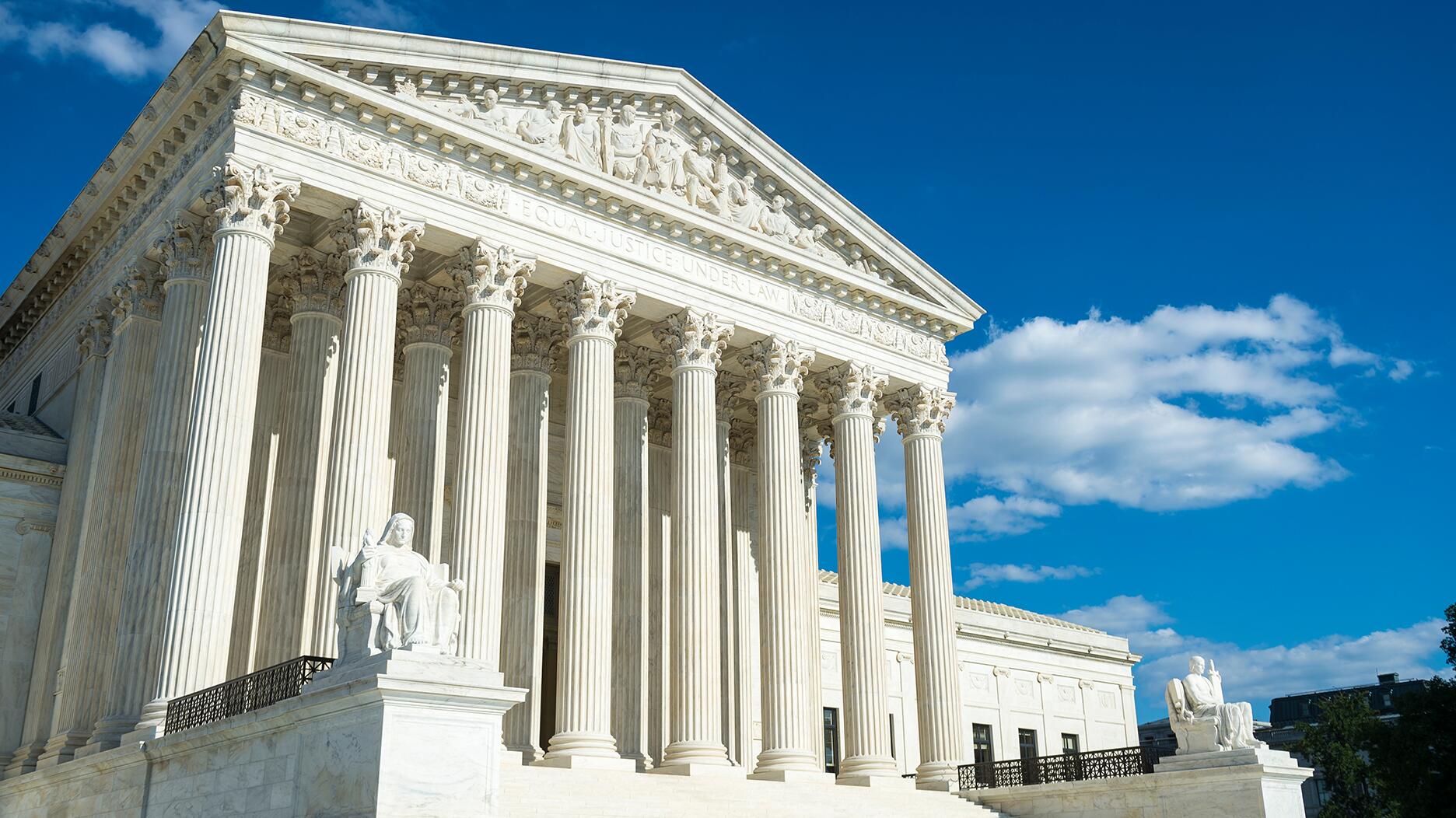
Supreme Court Rejects Trump's Emergency Tariffs
In a significant 6-3 decision, the U.S. Supreme Court has struck down President Donald Trump's sweeping global tariffs imposed under the International Emergency Economic Powers Act (IEEPA). The court ruled that the president had overstepped his authority by using the 1977 law to impose import taxes on goods from nearly every country. Chief Justice John Roberts, writing for the majority, stated that Congress has consistently delegated its tariff powers with explicit terms and strict limits, and had not expressly granted the president the extraordinary power to impose tariffs of unlimited amount, duration, and scope.
The ruling, authored by Roberts and joined by the court's three liberal justices and two Trump-appointed justices, Amy Coney Barrett and Neil Gorsuch, represents a rebuke to Trump's economic agenda. Justices Clarence Thomas, Samuel Alito, and Brett Kavanaugh dissented.
Businesses and U.S. states that had challenged the duties hailed the decision as a major victory. Beth Benike, owner of Busy Baby products, expressed relief, stating, 'I feel like a thousand-pound weight has been lifted off my chest.' Nik Holm, CEO of Terry Precision Cycling, one of the businesses involved in the case, called the ruling a 'relief' and looked forward to the refund of improperly collected duties.
Trump Vows to Fight and Imposes New Tariff
President Trump reacted strongly to the ruling, calling it 'terrible' and lambasting the justices who voted against his policy as 'fools' and 'very unpatriotic and disloyal to our Constitution.' He vowed that any refunds would not come without a legal battle, predicting the matter would be tied up in court for years.
Undeterred, Trump announced shortly after the decision that he would impose a new 10% global tariff. This new levy is being implemented under Section 122 of the Trade Act of 1974, a statute that allows for temporary tariffs of up to 15% for 150 days in response to large and serious balance-of-payments deficits. This measure is set to go into effect on February 24.
A White House official indicated that countries with existing trade deals with the U.S., including the UK, India, and the EU, would now face this new 10% tariff under Section 122, replacing their previously negotiated rates. Canada and Mexico, however, will retain exemptions under the USMCA trade pact.
Analysts suggest the administration may also explore other tools, such as Section 232 and Section 301, which are used to address national security risks and unfair trade practices and were not affected by the Supreme Court ruling.
Financial and Legal Ramifications
The Supreme Court's decision invalidates broad import taxes that had raised approximately $130 billion as of mid-December. The ruling opens the door to potentially billions of dollars in tariff refunds for businesses. However, the decision does not directly specify a process for these refunds, likely leaving the question to the Court of International Trade.
Justice Brett Kavanaugh, in his dissent, warned that the situation regarding refunds would be a 'mess.' Diane Swonk, chief economist at KPMG US, cautioned that litigation costs might make recouping funds difficult for smaller firms, advising them to 'curb their enthusiasm' while acknowledging the desire for relief.
While businesses may be able to sue to recover tariff payments, there is no formal mechanism for American consumers to recoup higher prices they may have paid as costs were passed down. An estimated drop in the average effective U.S. tariff rate from 17% to 9% following the ruling could, however, ease some price pressures going forward.
Legal Basis and Future Implications
The Supreme Court's majority opinion emphasized that the Constitution assigns the power to impose taxes and duties to Congress. The IEEPA, historically used for freezing assets and imposing sanctions, was found not to clearly authorize the president to levy tariffs of indefinite scope and duration.
The case centered on Trump's April 2 announcement of 'Liberation Day' tariffs, which included a 10% duty on most imports, along with higher tariffs on certain nations and additional levies tied to the fentanyl crisis. The administration had argued that persistent trade deficits and the flow of fentanyl constituted national emergencies justifying IEEPA's use. However, lower courts and the Supreme Court agreed that the law, which does not mention tariffs, could not grant such 'unbounded tariff authority' to the president.
The court's reasoning aligns with the 'major questions doctrine,' requiring clear congressional authorization for presidential actions with vast economic and political consequences. This same principle was used to block President Joe Biden's student loan forgiveness plan.
While the Supreme Court ruling dismantled the most expansive part of Trump's trade program, duties imposed under other statutes, such as national security tariffs on steel and aluminum, remain intact. The new Section 122 tariffs are temporary and will require congressional action for extension, potentially leading to further legal challenges and congressional debate. Some analysts believe the Section 122 regime, with its across-the-board nature, may make it harder for the administration to use tariffs for bilateral deal-making, unlike the previous targeted levies.
The Supreme Court's decision serves as a significant legal defeat for the Trump administration, reinforcing the principle that the power to tax lies with Congress and that presidential powers are limited.
Sources
- —
- —
- —