SSEF Issues Warning on Fraudulent Emerald Refilling Practices
Growing Concern Over Misleading Gemstone Reports
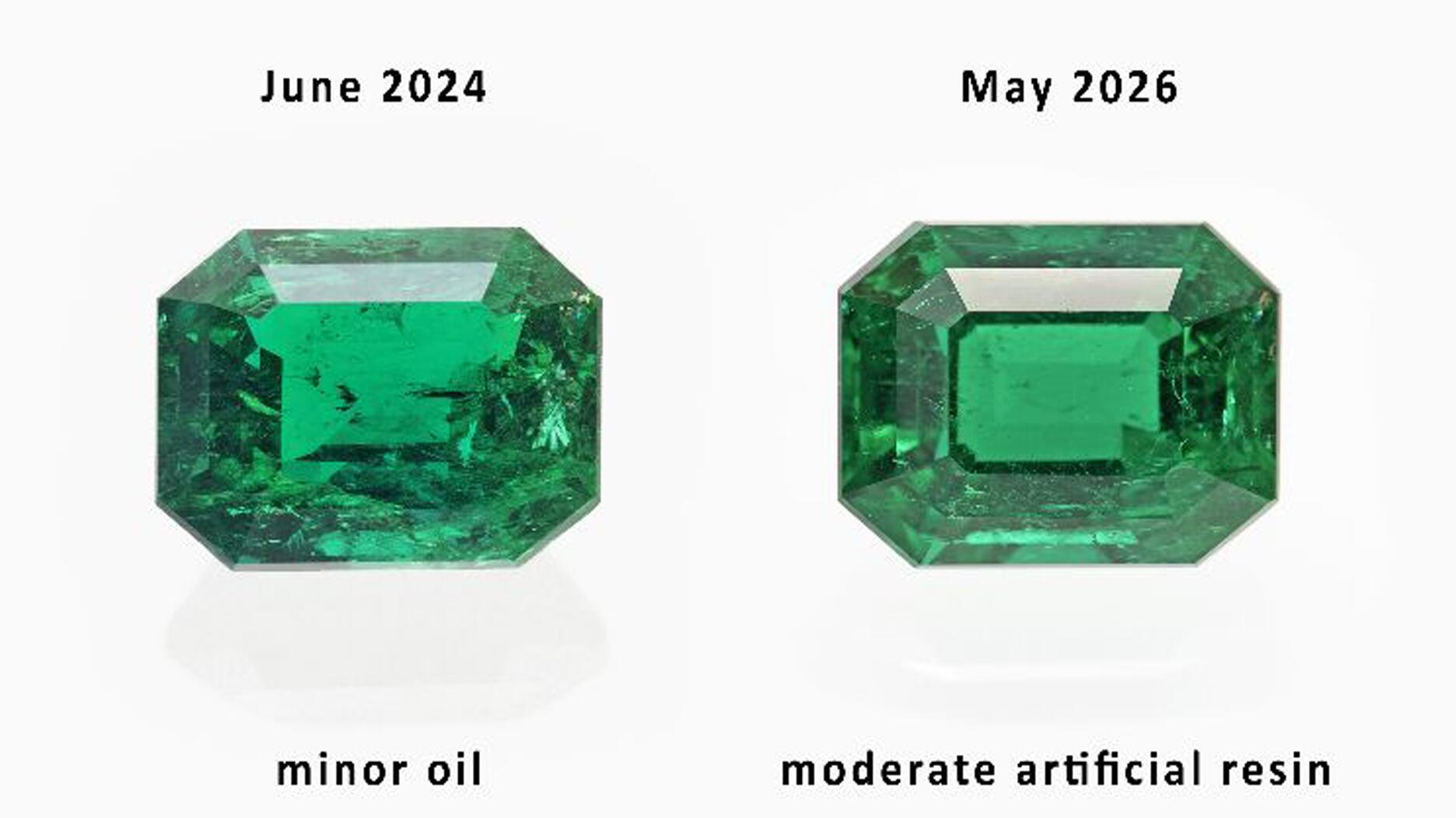
The Swiss Gemmological Institute (SSEF) has issued a formal trade alert regarding a fraudulent practice emerging in the emerald market. The institute has identified instances where emeralds are being treated after laboratory examination, refilled with enhancing substances, and then resold using original reports that no longer accurately reflect the stones’ condition. This practice poses a significant risk of misrepresentation to buyers.
The issue stems from the common practice of using fillers like oil, wax, or artificial resin to improve the clarity of emeralds by reducing the visibility of natural fissures. While this treatment is accepted in the trade when properly disclosed, the SSEF is concerned about a new scheme that exploits the certification process. Emeralds that have been previously treated with fillers, particularly artificial resin, are being chemically cleaned to remove the substance. Subsequently, these cleaned stones, which exhibit prominent fissures, are submitted to gemological laboratories. At this stage, reports may indicate ‘no’ or ‘minor’ clarity modification, as the filler has been removed for testing.
The Fraudulent Scheme Unveiled
Following the issuance of a laboratory report, the same emeralds are reportedly being refilled with fillers such as oil or artificial resin. These stones are then presented to potential buyers accompanied by the original report, which states little or no clarity modification. This creates a misleading impression, as the report fails to disclose the most recent treatment status of the gemstone.
SSEF emphasized that its reports reflect the condition of a gemstone at the time of testing and do not guarantee its state thereafter. “The conclusions on this Gemstone Report reflect our findings at the time it is issued. A gemstone could be modified and/or enhanced at any time,” SSEF reports typically state. If fissure filling is detected during testing, SSEF discloses the presence, extent, and type of filler used, adhering to Laboratory Manual Harmonisation Committee (LMHC) guidelines, which mandate disclosure as treatments directly impact a gemstone’s value.
Market Demand and Incentive
The high-end market’s preference for emeralds with minimal or no clarity enhancement is believed to be a driving factor behind this fraudulent practice. The demand for pristine, seemingly untreated stones creates a financial incentive for unscrupulous individuals to manipulate the system.
SSEF Recommendations for the Trade
To combat this issue and protect buyers, SSEF has provided several recommendations:
- Verify Report Authenticity: Always check the authenticity and validity of SSEF reports on its official website (www.ssef.ch).
- Re-test Before Purchase: Buyers are strongly encouraged to have fissured emeralds re-tested by SSEF immediately before a transaction, especially if the accompanying report is not recent or if the stone appears unusually clean relative to its stated treatments.
- Exercise Caution: Be wary of emeralds that appear exceptionally clean when accompanied by a report indicating ‘no clarity modification.’ Request a re-test.
- Sellers’ Responsibility: Sellers should never circulate an older report once a stone has been cleaned, refilled, or otherwise altered. Instead, the gemstone must be submitted for a new report reflecting its current condition before being offered for sale.
- Handle with Care: Cleaned or heavily fissured emeralds are fragile and prone to chipping, requiring careful handling.
While this alert specifically addresses emeralds, SSEF noted that the same principles and risks apply to any gemstone containing fissures, with rubies being another notable example. The institute remains available to re-test stones, reissue reports, and assist the trade with questions regarding gemstone treatments and disclosure.
Sources
- —
- —
- —
- —