Saks Global Bankruptcy Leaves Vendors Questioning Payments, Future
Chapter 11 Filing and Its Implications
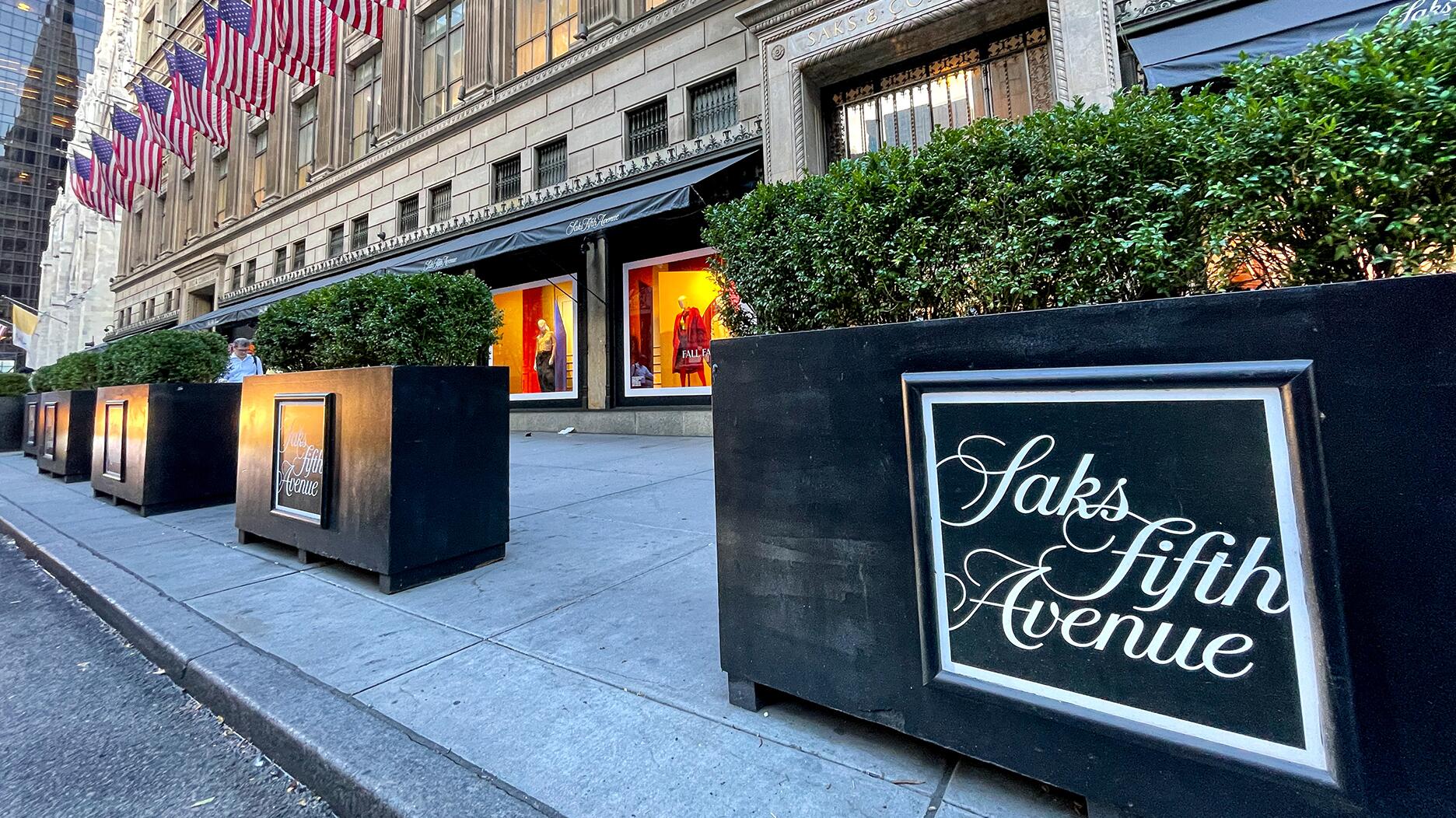
Saks Global has filed for Chapter 11 bankruptcy protection, a move aimed at reorganization rather than liquidation. This filing comes as the retailer grapples with significant debt and declining sales in its department stores. The process allows the company to shed certain debts, renegotiate contracts, secure new financing, and ultimately emerge with a restructured capital base. As part of this, Saks Global has secured $1.75 billion in new financing to strengthen its balance sheet and continue operations. While the bankruptcy filing does not absolve Saks Global from its obligations, vendors, particularly smaller ones, may receive less than the full value of their claims, or potentially nothing at all.
Top Creditors and Vendor Concerns
Court documents reveal that Saks Global's liabilities are substantial, estimated between $1 billion and $10 billion, with over 10,000 creditors. Among the top unsecured creditors are major luxury houses like Chanel, owed $136 million, and Kering, owed $59.9 million. Prominent jewelry brands such as David Yurman and Roberto Coin are also among those owed millions. The situation has left many vendors with outstanding invoices and a host of unanswered questions regarding potential recovery of funds or merchandise.
Understanding Secured vs. Unsecured Creditors
Sara Yood, CEO and general counsel at the Jewelers Vigilance Committee (JVC), explained the distinction between secured and unsecured creditors. A secured creditor has a perfected security interest in specific assets, giving them priority in repayment. Unsecured creditors, who lack such a security interest, are generally paid after secured creditors. However, the bankruptcy process can be complex, and the specific repayment terms will be outlined in a court-approved reorganization plan.
Navigating the Bankruptcy Process
Jewelry designers and other vendors are advised to file a proof of claim to have a chance at recovering their owed amounts. The repayment of claims, including those for products supplied during the bankruptcy proceedings, will depend on negotiations between creditors and the debtors, as well as court approval. Yood recommends that designers seek counsel from an attorney specializing in bankruptcy law to understand their rights and options. Recovering merchandise may also be possible, but it often requires specific agreements between parties or a court order.
Protecting Brands in Retail Partnerships
To mitigate risks when doing business with retailers, Yood advises jewelry designers to file Uniform Commercial Code (UCC) statements and keep them updated, as they expire after a few years. Ensuring that consignment agreements clearly state the designer's title and ownership of pieces is also crucial. While the jewelry business carries inherent risks, especially with memo transactions, taking these steps can help reduce exposure.
New Leadership and Vendor Relations
Saks Global's new leadership, including CEO Geoffroy van Raemdonck, has begun engaging with suppliers. Van Raemdonck, who previously led Neiman Marcus through a successful restructuring, aims to repair relationships and restore confidence. While promises have been made regarding the payment of current and past-due invoices, the process is bound by bankruptcy rules. Experts note that while new leadership can improve confidence, it does not automatically alter how pre-petition claims are handled. Payment for goods shipped after the filing is prioritized, and new leadership with strong industry relationships, like van Raemdonck, may help in rebuilding trust with key vendors, especially larger, more influential brands.
Challenges for Independent Brands
The bankruptcy has highlighted the vulnerability of smaller, independent beauty and luxury brands that may have a greater reliance on a limited number of high-end retail partners. The compounding effects of unpaid invoices, trapped inventory, and potentially tightened payment terms can pose an existential threat to these businesses. Many smaller vendors may not be made whole on their past-due amounts, potentially leading them to implement stricter payment terms or minimum orders for future business.
The Evolving Retail Landscape
The struggles of Saks Global come amidst a broader shift in the retail landscape, with traditional department stores facing increasing competition from direct-to-consumer (DTC) channels, online marketplaces, and specialty retailers. Experts suggest that brands should diversify their distribution strategies, balancing wholesale partnerships with a strong online presence and exploring platforms like TikTok Shop. The emphasis is on building a resilient business model that isn't overly dependent on any single retail channel.
Looking Ahead
While Saks Global's bankruptcy presents significant challenges, the company is operating under new financing and leadership with a plan to restructure. The long-term survival of Saks Global and the potential recovery for its vendors will depend on the successful execution of its reorganization plan. For many brands, the immediate focus is on assessing their financial exposure, understanding their creditor status, and making strategic decisions about future distribution and partnerships.
Sources
- —
- —
- —
- —