Pandora Introduces Platinum-Plated Jewelry to Navigate Market Volatility and Enhance Consumer Offering
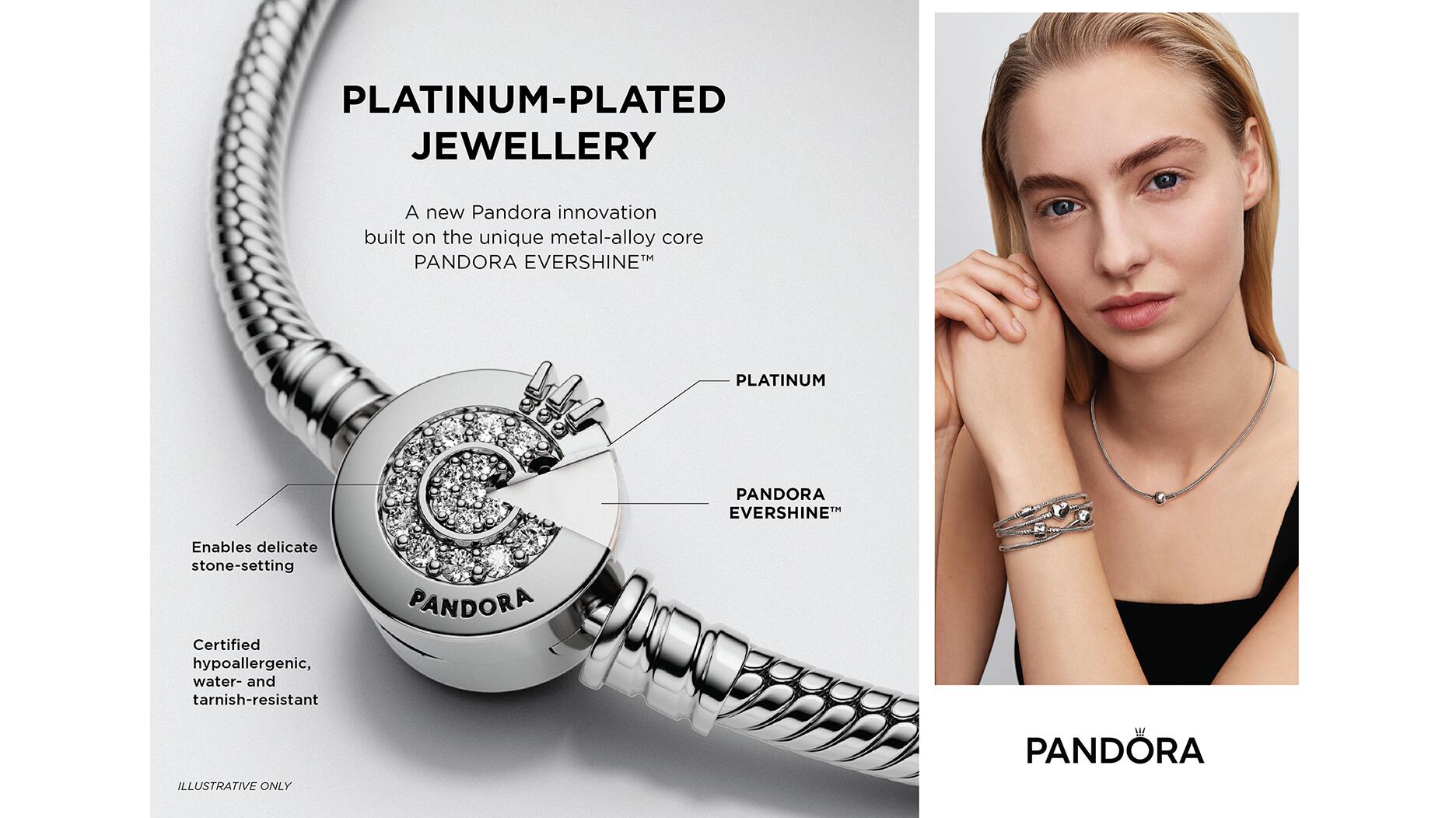
Pandora, the world's largest jewelry brand, is set to expand its precious metals portfolio by introducing jewelry plated with platinum. This strategic move aims to diversify the company's reliance on silver, mitigate the impact of fluctuating commodity prices, and enhance its product appeal to consumers.
Strategic Shift to Platinum Plating
The Danish jewelry giant announced that it will begin selling platinum-plated jewelry globally in the second half of 2026. The initiative will initially pilot a selection of platinum-plated bracelets in 30 stores across Northern Europe and online during the first quarter of 2026. Following this pilot phase, the collection will be expanded with more bracelet designs and a range of charms for a worldwide launch.
This decision was influenced by volatile gold and silver prices, alongside insights from a consumer survey. New Pandora CEO Berta de Pablos-Barbier stated, 'With this innovation, we can navigate the new realities of raw material costs while offering consumers precious metal jewelry that is exceptionally well-suited for everyday wear.'
Leveraging Technology and Consumer Perception
Pandora's new platinum-plated jewelry will utilize the company's proprietary PANDORA EVERSHINE™ metal-alloy core, a technology introduced in 2015 and previously used for its gold-plated items. This core will be coated with platinum using an optimized plating technique. While platinum is generally more expensive per ounce than silver, this plating method allows Pandora to use less of the precious metal. The company confirmed that the price point for these new platinum-plated pieces will be comparable to its existing sterling silver jewelry.
Consumer research conducted in July with 23,000 participants revealed that 78 percent recognized platinum as a precious metal, compared to 69 percent for sterling silver. Pandora believes this perception, combined with platinum's desirable attributes, strengthens its consumer proposition.
Benefits of Platinum and Future Outlook
Pandora highlighted several tangible benefits of platinum, including its hypoallergenic properties and resistance to tarnishing. Unlike silver, platinum jewelry maintains its shine even when exposed to water or during workouts, making it suitable for everyday wear. This durability and aesthetic appeal are key components of the new offering.
The company, which has been using recycled silver and gold since 2024, plans to gradually shift more of its metal sourcing, including platinum, to recycled origins. Pandora aims to reduce its silver exposure, which currently accounts for approximately 60% of its business, with the goal of lessening its vulnerability to price surges. The price of silver has reportedly more than doubled in the past year, significantly impacting production costs.
Financial Considerations and Market Context
Pandora anticipates that the introduction of platinum-plated jewelry will help protect its profit margins. The company has faced increased costs due to the surge in silver prices and is also navigating macroeconomic uncertainties and potential shifts in consumer spending. For 2026, Pandora projects organic revenue growth of between 1% and 2%, with an operating margin (EBIT margin) expected to be between 21% and 22%, a decrease from 23.9% in 2025.
The decline in operating profit margin is expected to be most pronounced in the first quarter of 2026, with a gradual recovery anticipated throughout the remainder of the year. Initially, Pandora will use a third-party manufacturer for its platinum-plated products, with a plan to increase in-house production at its factories in Thailand and Vietnam over time.
Sources
- —
- —
- —
- —