Pandora Adds Carbon Footprint Label to Lab-Grown Diamonds
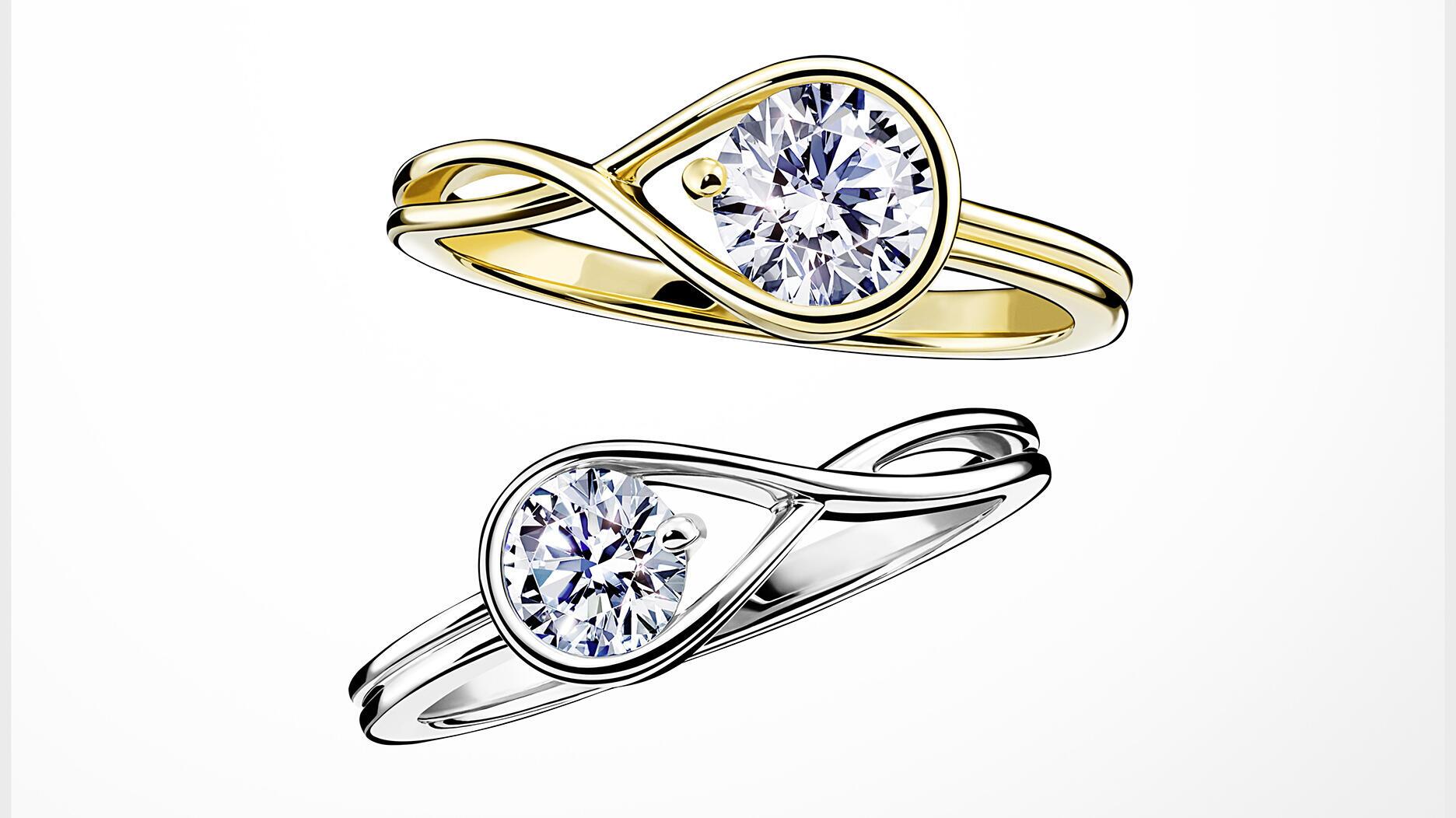
Introducing the Fifth 'C' for Conscious Consumers
Pandora is enhancing transparency in its lab-grown diamond offerings by introducing carbon footprint labeling. This initiative adds a fifth 'C'—Carbon Footprint—alongside the traditional grading criteria of Cut, Colour, Clarity, and Carat. The move aims to empower consumers with essential insights into the climate impact of their diamond jewelry choices.
The carbon footprint information now accompanies every Pandora Lab-Grown Diamond on pandora.net. It encompasses all emissions from the diamond crafting process, from the production of raw materials used for growing the diamond up to the point of cutting and polishing before it leaves the facility.
Transparency and Sustainability at the Forefront
Pandora CEO Berta de Pablos-Barbier stated, 'We believe the future is about making diamonds more accessible while giving customers clarity on what they’re buying. We craft our jewellery with sustainability in mind and by introducing the fifth C, we’re empowering consumers to make informed choices.'
The company highlighted that its lab-grown diamonds have a carbon footprint approximately 90% lower than mined diamonds of comparable size. For instance, a one-carat Pandora Lab-Grown Diamond emits around 12.58 kg of CO2e. Pandora likens the carbon footprint of a 14k gold ring with a one-carat lab-grown diamond to that of a pair of jeans.
Pandora ceased using mined diamonds in 2021 and exclusively uses lab-grown diamonds crafted with 100% renewable electricity. The jewelry is set in pieces made from 100% recycled silver and gold, further reducing the environmental impact.
Sharing Knowledge to Drive Industry Change
The carbon footprint data for Pandora’s lab-grown diamonds has been calculated by external life-cycle assessment experts and verified by auditing firm EY. The detailed study is publicly available on pandoragroup.com.
Recognizing the growing consumer demand for sustainable practices and transparent sourcing, Pandora is committed to sharing its methodology and findings with other jewelry makers. 'As consumers demand greater knowledge of how their products are made, transparency is becoming a defining force for brands. We are happy to share our learnings with others,' added de Pablos-Barbier.
Market Context and Future Outlook
This initiative comes as Pandora navigates a challenging market. The company reported a 3% year-over-year decrease in first-quarter revenue to 7.12 billion Danish kroner ($1.1 billion), with like-for-like sales growth flat. North American sales saw a 2% dip, attributed to lower consumer sentiment and reduced store traffic.
Despite these headwinds, Pandora is focusing on strategic initiatives, including evolving its marketing model, enhancing product design differentiation, and expanding its material offerings. The company is also transitioning its silver jewelry to platinum-plated pieces to mitigate the impact of volatile metal prices, with a global rollout planned for the second half of the year.
The lab-grown diamond category, which saw a double-digit drop in sales in Q1, represents about 1% of Pandora’s total sales, amounting to 75 million Danish kroner ($11.8 million) for the quarter. The company is working to generate more interest in this segment through collaborations and clear product differentiation.
Pandora has maintained its forecast for the full year, expecting organic growth between -1% and +2% with an EBIT margin of 21% to 22%, while remaining mindful of the uncertain global economic and geopolitical landscape.
Sources
- —
- —
- —
- —