Luxury Retailers Halt Middle East Operations Amid Regional Unrest
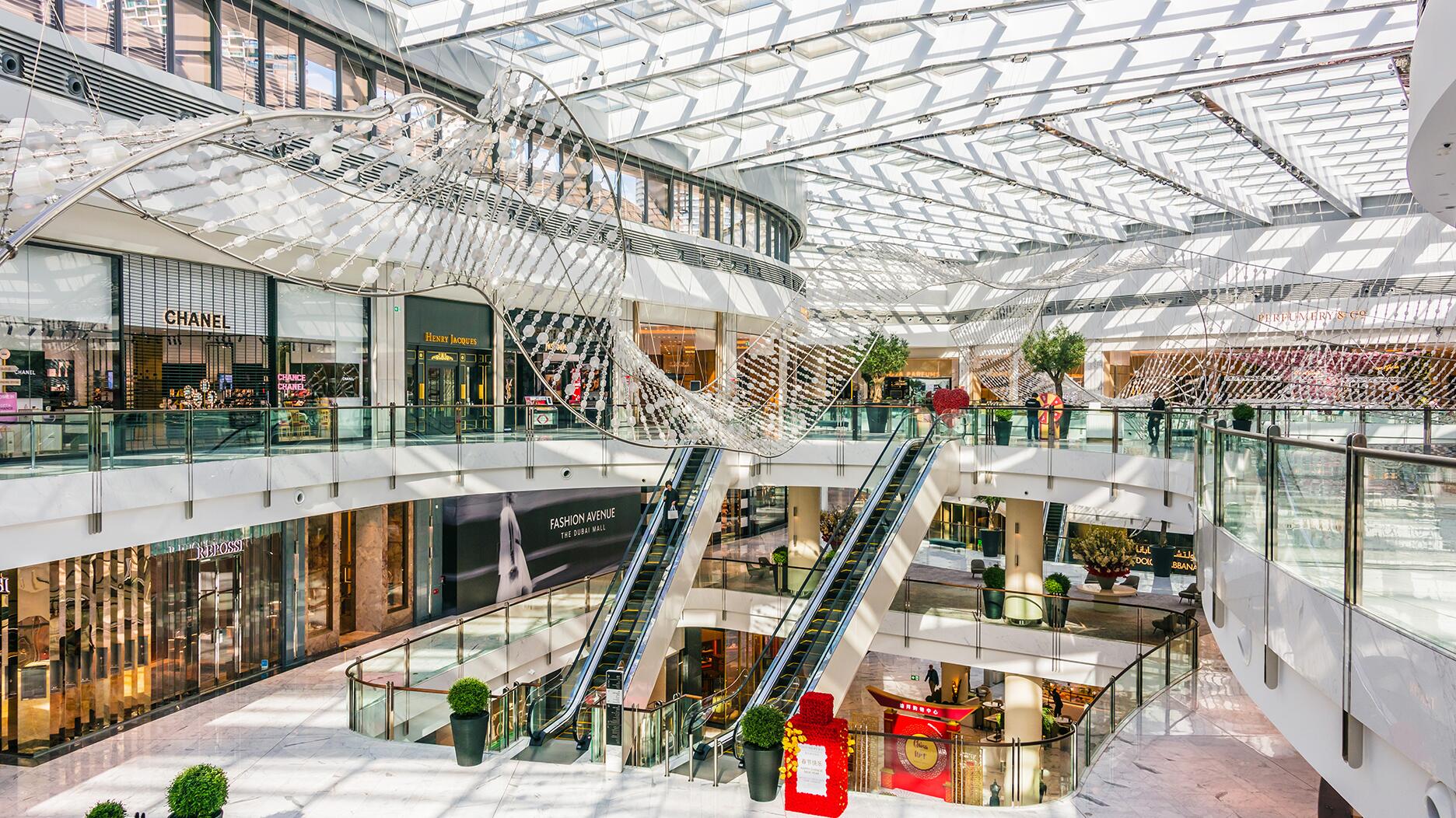
High-end retail outlets in major Middle Eastern shopping destinations have temporarily suspended operations following escalating regional conflict, impacting a key market for luxury brands. The instability has led companies to prioritize safety and re-evaluate business continuity in the area.
Store Closures and Operational Adjustments
Kering, the owner of jewelry brands Boucheron, Pomellato, and Qeelin, as well as fashion houses Gucci, Saint Laurent, Balenciaga, and Bottega Veneta, has temporarily closed its stores in the United Arab Emirates, Kuwait, Bahrain, and Qatar. The group has also suspended travel to the Middle East. Its Middle East operations, part of the broader ‘Rest of the World’ segment, represented 9 percent of Kering’s revenue in 2025.
Richemont, which owns Cartier and Van Cleef & Arpels, and LVMH, parent company of Tiffany & Co. and Bulgari, have a significant presence in the region, though they have not publicly commented on their operational status. For Richemont, the Middle East & Africa region is a substantial contributor, accounting for 10 percent of its total revenue, with a notable 20 percent sales increase in its most recent third quarter, driven by the UAE. Cartier recently held its ‘En Équilibre’ high jewelry exhibition in Dubai.
Apple has also temporarily closed its stores in Abu Dhabi and Dubai. Amazon has suspended fulfillment center operations in Abu Dhabi and deliveries across parts of the region, with employees in Saudi Arabia and Jordan advised to stay indoors. Reports indicate that three Amazon data centers in the UAE were damaged by drone strikes.
The Chalhoub Group, a major retail operator managing approximately 900 stores for brands like Versace, Sephora, and Jimmy Choo, confirmed the closure of its outlets in Bahrain. Stores in the UAE, Saudi Arabia, and Jordan remained open with voluntary staff attendance, utilizing lean teams of employees who felt comfortable working. Senior leadership was observed assessing conditions at Dubai Mall and Mall of the Emirates.
H&M has confirmed closures in Bahrain and Israel. Consumer goods company Reckitt has instructed its Middle East employees to work remotely, temporarily shut its Bahrain manufacturing site, and suspended regional business travel. Primark, with plans to open three Dubai stores between March and May, is closely monitoring the developing situation.
Economic Impact and Market Significance
The Middle East is a critical hub for the luxury market, previously identified by consultancy Bain & Co. as ‘luxury’s brightest performer’. The region’s luxury market was projected to grow between 4 to 6 percent last year, supported by tourism in Dubai and Abu Dhabi, and consistent demand in Saudi Arabia. According to RBC analyst Piral Dadhania, the Middle East accounts for between 5% and 10% of global luxury spending. The Dubai Chambers projected the UAE retail market at approximately $70.5 billion in 2025, highlighting the economic significance of the region’s mall-centric retail environments.
The disruption occurs during Ramadan, a period crucial for both religious observance and retail, typically marked by increased consumer spending. The temporary suspension of operations by flagship outlets underscores the sector’s vulnerability to geopolitical volatility. The potential revenue at risk from a one-month interruption to the estimated $5 billion to $6 billion travel retail market is estimated to be in the hundreds of millions of dollars.
Furthermore, the conflict's impact could extend to luxury demand in Europe if Middle Eastern consumers are unable to travel to key fashion capitals like Paris and Milan. Luxury stocks, including LVMH, Hermes, and Richemont, experienced declines ranging from 4% to 5.7% as investors assessed the potential financial repercussions of sustained disruption.
Travel Advisories and Broader Impact
The U.S. State Department has issued travel warnings, elevating the UAE to Level 3 (reconsider travel), while Israel remains at Level 3. Iran, Iraq, Lebanon, Syria, and Yemen are designated Level 5 (do not travel to). The United States has temporarily closed its embassies in Saudi Arabia, Kuwait, and Beirut due to drone attacks, urging American citizens in the region to depart.
The broader economic impact is also evident, with rising oil prices potentially straining consumer budgets. Amazon's operational suspensions and Apple's store closures reflect the wider challenges faced by businesses operating in the affected areas.
Sources
- —
- —
- —