Kering's Jewelry Division Soars Amidst Group-Wide Sales Dip and Gucci's Ongoing Challenges
Jewelry Division a Standout Performer in Q1
Kering's luxury conglomerate has reported a challenging first quarter for 2026, with overall revenues declining by 6 percent to €3.57 billion ($4.21 billion). The downturn was primarily attributed to the continued struggles of its flagship brand, Gucci, which saw sales fall by 14 percent. However, Kering's jewelry brands emerged as a significant bright spot, delivering double-digit growth and bolstering the group's performance in a volatile market.
Despite the overall sales dip, Kering CEO Luca de Meo described the quarter's performance as an 'important first step in our recovery,' noting the tangible effects of strategic actions taken amidst a challenging geopolitical environment. The group is set to unveil a new strategic roadmap, dubbed ‘ReconKering,’ aimed at driving future growth and operational efficiency.
Gucci's Turnaround Takes Time
Gucci, Kering's largest brand, continues to be the primary drag on the company's financial performance. Sales for the quarter were down 14.3 percent on a reported basis and 8 percent organically. CEO Luca de Meo acknowledged that a 'comprehensive turnaround' is underway, with decisive actions being implemented across client engagement, distribution, and product offerings. New collections are being progressively rolled out throughout the year, as the brand focuses on resetting its product architecture and enhancing its desirability.
Analysts remain cautious about the pace of Gucci's recovery, citing limited visibility on when sustainable growth will return. Investors are closely watching Kering's upcoming Capital Markets Day, where further details on the 'ReconKering' strategy are expected.
Jewelry Brands Drive Growth
In stark contrast to the performance of other divisions, Kering's jewelry houses — including Boucheron, Pomellato, DoDo, and Qeelin — posted impressive growth. Sales for the jewelry division increased by 14 percent as reported and 22 percent on a comparable basis, reaching €269 million ($317 million). Directly operated stores saw a remarkable 28 percent jump in jewelry sales, while wholesale revenue grew by 14 percent.
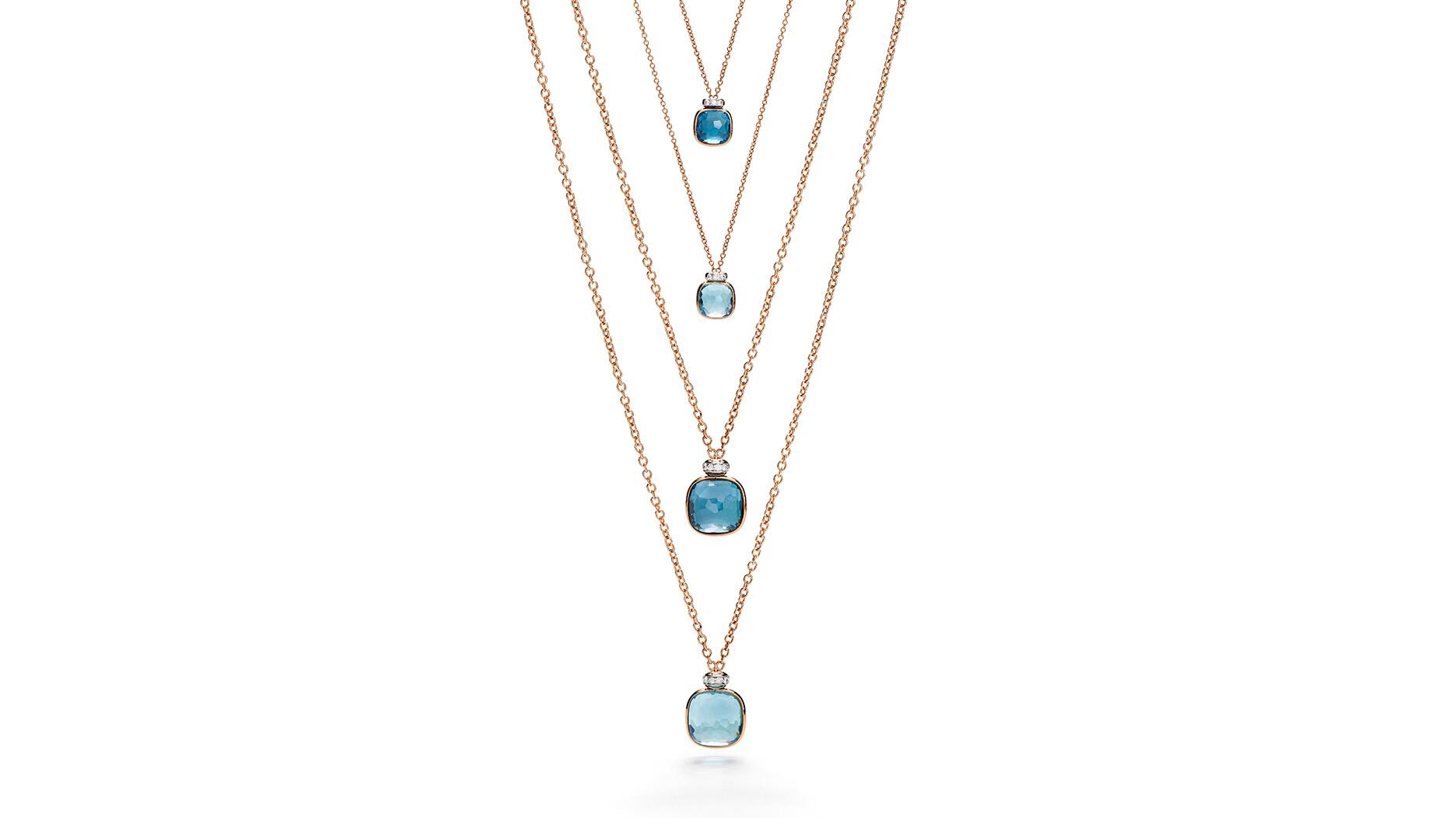
Boucheron led the charge with the strongest growth within the jewelry segment this quarter. Pomellato also demonstrated sound growth, driven by strong performance in Japan and the success of its key collections such as ‘Nudo,’ ‘Iconica,’ and ‘Pomellato Together.’ DoDo continued its sustained growth trajectory, and Qeelin recorded a strong performance, particularly driven by the Asian market.
The group noted that Kering is currently underdeveloped in the North American jewelry market, hinting at future strategic initiatives in this region. The recent creation of Kering Jewelry as a dedicated division aims to further accelerate the growth of these valuable brands.
Geopolitical and Economic Headwinds
Kering's performance is being significantly impacted by a challenging global economic landscape and geopolitical tensions. The conflict in the Middle East has led to temporary disruptions and a decline in demand from tourists, with retail revenue in the region down 11 percent in Q1. While Kering's store network in the region remains operational and employee safety is prioritized, the broader implications for global tourism and the macroeconomic backdrop are closely monitored.
This environment has led to a wider cooling trend across the luxury market. Competitors like Hermès have also reported soft first-quarter sales, while LVMH managed only modest organic growth. The luxury sector is facing headwinds from reduced consumer confidence and shifting spending patterns.
Strategic Realignment and Future Outlook
In response to these challenges, Kering is undertaking a significant strategic overhaul, detailed in its 'ReconKering' roadmap. This plan emphasizes operational restructuring, a repositioning of brand strategies, and a shift from expansion to discipline and from volume to desirability. The group is also implementing a new integrated operating model focused on efficiency and execution across its houses.
Kering is focusing on strengthening its balance sheet through strategic transactions in beauty, jewelry, and real estate. While the company did not provide specific financial guidance for the year due to ongoing uncertainties, its objective remains to return to growth and improve margins. The success of the 'ReconKering' strategy, particularly the turnaround at Gucci, will be critical for Kering's future performance.
Sources
- —
- —
- —
- —