Kering Jewelry Sales Surge 14% in H1, Outpacing Group Performance
Jewelry Division Posts Strong Double-Digit Growth Amidst Group Turnaround
Kering's dedicated jewelry division has emerged as a significant bright spot, reporting a robust 14% increase in first-half revenue. The impressive performance, which saw comparable sales climb by 20%, highlights the resilience and growing appeal of its luxury jewelry brands including Boucheron, Pomellato, DoDo, and Qeelin. This growth significantly outpaced the group's overall sales, which experienced a slight dip before showing signs of recovery.
In the first half of the year, Kering's jewelry brands generated €521 million ($594 million) in revenue. The second quarter continued this positive trend, with sales rising by 15% year-on-year (18% on a comparable basis) to €252 million ($287 million). This strong performance in jewelry helped to offset declines in other areas of the business as Kering implements its 'ReconKering' turnaround plan.
Brand Highlights and Regional Strength
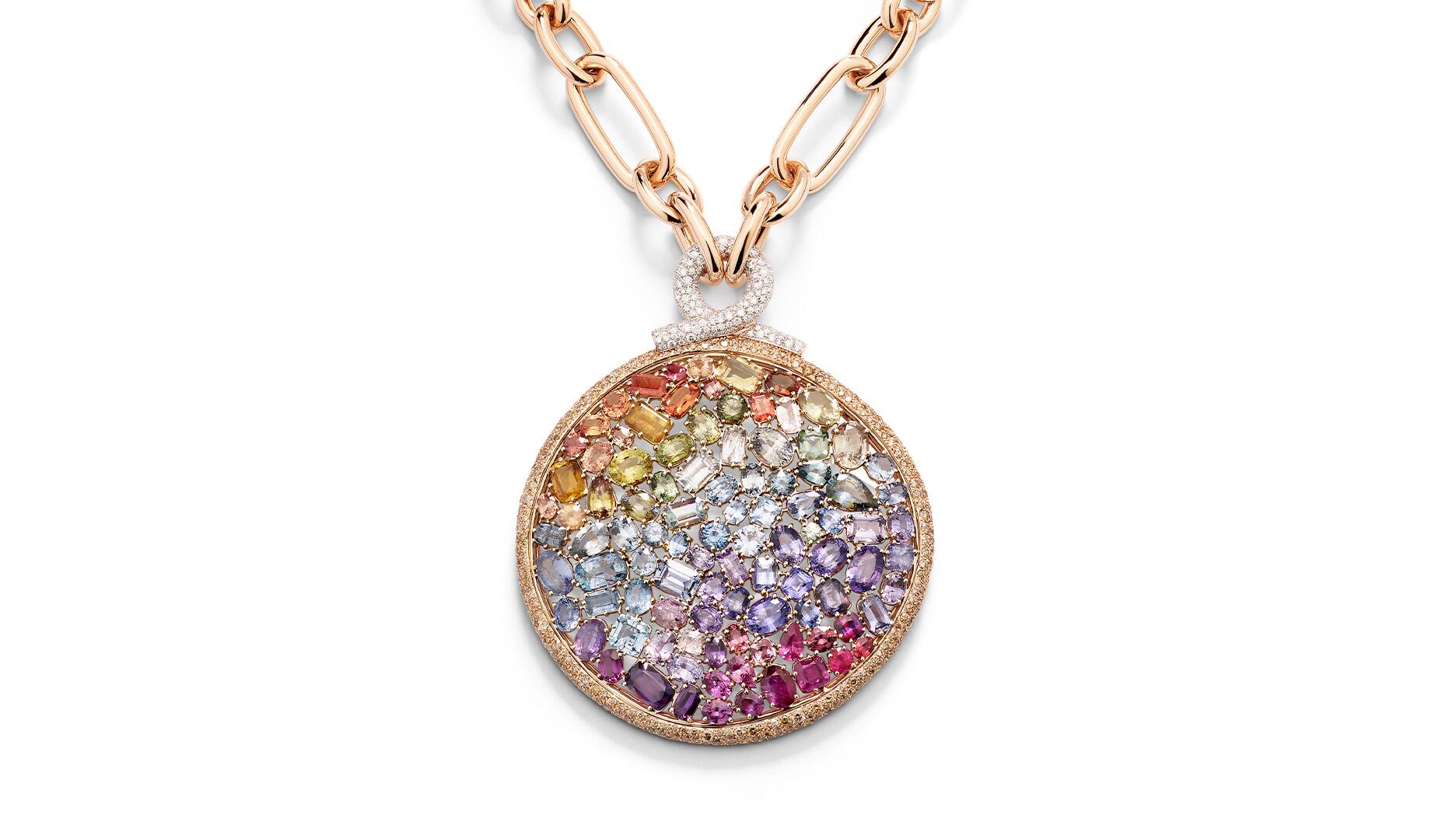
Boucheron was a key contributor to the jewelry division's success, achieving record sales levels. The brand's performance was bolstered by the successful launch of the 'Quatre XS' variation of its signature 'Quatre' collection and its 'Human Being' high jewelry collection. Pomellato also demonstrated strong momentum, driven by its key collections and positive reception in Japan and North America. The brand recently debuted its 'Stile Libero' high jewelry collection.
While DoDo faced a challenging quarter against tough prior-year comparisons, and Qeelin experienced some softening trends in Q2, the overall performance of the jewelry brands remained strong. The division's growth was broad-based, with significant momentum observed across key regions including North America, Japan, and Asia Pacific.
Group Performance and Strategic Initiatives
Overall, Kering's revenue for the first half of the year totaled €7.22 billion ($8.23 billion), a decrease of 3% on a reported basis but an increase of 1% on a comparable basis. The second quarter saw a more positive trend, with revenue growing by 1% (2% comparable) to €3.65 billion ($4.16 billion). Kering CEO Luca de Meo expressed optimism, noting 'early signs of progress in brand desirability, commercial momentum, and operating performance' across the group.
The company continues to optimize its retail footprint, with a net closure of 84 stores in the first half of the year, part of a broader strategy to close approximately 100 stores by the end of fiscal year 2026. This strategic resizing is intended to reinforce brand distinctiveness and organizational effectiveness.
Fashion Segment and Regional Dynamics
In contrast to the thriving jewelry division, Kering's larger Fashion & Leather Goods segment, which includes Gucci, Saint Laurent, and Balenciaga, saw a decline of 5% as reported and 1% on a comparable basis in the first half. Gucci, while showing signs of recovery with a 2% comparable decline in Q2, experienced a 9% reported drop in sales for the half. North America emerged as a key growth driver for Gucci.
Regionally, North America was Kering's strongest market, showing growth in both H1 and Q2. However, sales declined in other regions. Asia Pacific accounted for the largest share of revenue at 33%, followed by Western Europe at 25%, and North America at 24%. The company noted specific regional dynamics, with a turnaround plan underway in mainland China and South Korea identified as a bright spot within the Asia Pacific region.
Kering's strategic moves, including the creation of a dedicated Kering Jewelry division earlier this year and the ongoing optimization of its store network, are aimed at fostering sustainable growth and long-term value creation in a demanding market environment.
Sources
- —
- —
- —
- —