Jewelry Leads Luxury Market Amid Stabilization, Bain & Co. Report Reveals
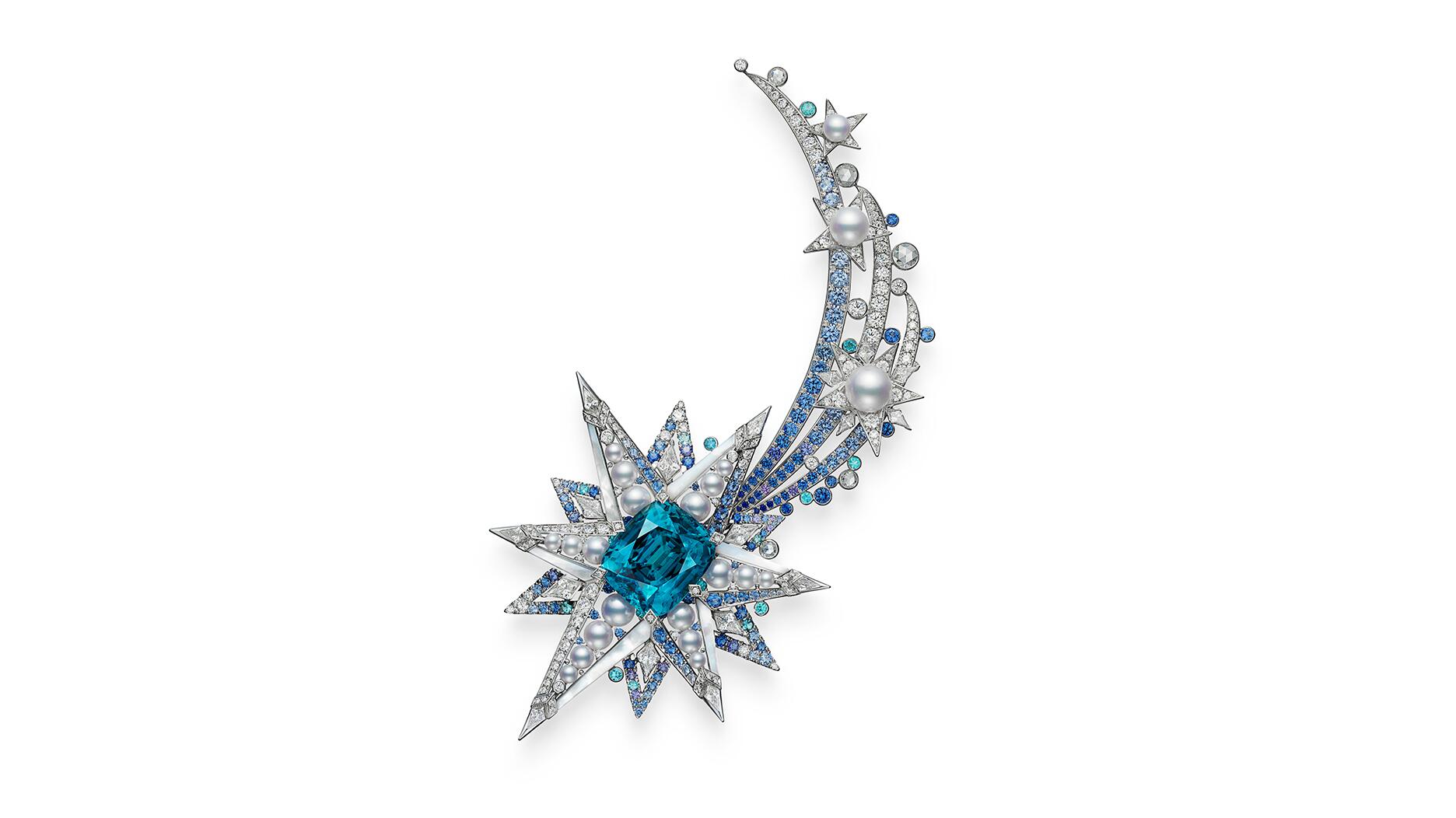
Jewelry's Resilience in a Shifting Market
The global luxury market is demonstrating signs of stabilization following a turbulent period marked by geopolitical conflicts, rising inflation, and fluctuating consumer confidence. Despite these challenges, the jewelry sector has emerged as a leading force, exhibiting remarkable resilience and continued growth. Bain & Company's latest Luxury Goods Worldwide Market Study, in collaboration with Altagamma, highlights jewelry's strong performance amidst a broader market recalibration.
While the overall luxury market is expected to see modest growth between flat and 2 percent at constant exchange rates, reaching €1.44 trillion to €1.47 trillion ($1.64 trillion to $1.68 trillion) by 2026, the personal luxury goods segment is projected to grow between 2 to 4 percent to €365 billion to €373 billion ($415 billion to $424 billion) in 2026. Within this landscape, jewelry has significantly outperformed other categories.
Key Performers and Emerging Trends
Major luxury conglomerates have reported robust results for their jewelry divisions. Richemont, the owner of esteemed brands like Cartier and Van Cleef & Arpels, experienced its seventh consecutive quarter of soaring jewelry sales in Q1. Similarly, Kering's jewelry brands, including Boucheron and Pomellato, posted double-digit growth during the same period. This sustained strength underscores jewelry's status as a preferred category for luxury consumers.
Other sectors showing positive momentum include apparel, eyewear, and fragrances, while cosmetics continue to lag. Leather goods and footwear are on an upward trajectory, indicating a broader market recovery, albeit at a slower pace than jewelry.
A New Era of Luxury Consumption
Claudia D’Arpizio, Bain & Company Senior Partner and Global Leader of the firm’s Fashion & Luxury practice, emphasized that the market is entering a new rhythm. “Consumers are not stepping back from luxury. They are stepping forward into a new relationship with it – one defined by meaning, not just by product,” she stated. This shift suggests a move away from conspicuous consumption towards a deeper connection with brands and products that resonate with personal values and aspirations.
Several key trends are shaping this evolving consumer behavior:
- AI Integration: Artificial intelligence is increasingly influencing the luxury shopping journey, with half of consumers already utilizing AI for discovery, comparison, and validation of purchases. Brands that fail to build 'AI-native relevance' risk falling behind.
- Resale Market Growth: The luxury resale market is booming, with around half of consumers exploring secondhand options before buying new. This trend is particularly strong in watches, where connoisseurship, craftsmanship, and rarity are highly valued. Online searches for vintage bags have also seen a significant increase.
- Experiential Luxury: Consumers are prioritizing meaningful experiences over material possessions. Bookings for dining, leisure, and entertainment have surged by 30 percent year-over-year, driven by bespoke and culturally immersive formats. Multi-generational travel is also gaining traction.
- Shifting Demographics: Younger shoppers, particularly those under 35, are increasingly influential in driving luxury spending. In the US, this demographic is outspending older generations, and upper middle-class households are growing their luxury spending at a faster rate, broadening the market's base.
Regional Dynamics and Future Outlook
The personal luxury goods market experienced a slight dip in 2025, with sales reaching €358 billion ($407 billion). However, a recovery is anticipated for 2026, with projected growth of 2 to 4 percent. This forecast is contingent on several factors, including stabilization in the Middle East, resilient local spending, and a gradual recovery in China.
Regional performance varies significantly. The Americas are showing strong sales growth, particularly in jewelry and watches, driven by younger consumers. Europe, however, is identified as the luxury market's 'weak link' due to a decline in international tourist spending. China's luxury market is cautiously recovering, with significant growth in online sales, while Japan faces a slowdown due to reduced tourist traffic.
“The appetite for luxury remains strong. The tolerance for disappointing experiences or products does not,” noted Federica Levato, Bain & Company Senior Partner and Co-author of the study. Brands that can deliver on creating meaning, offering immersive experiences, building cultural relevance, and leveraging AI-driven personalization are best positioned for success in this new era of luxury.
Sources
- —
- —
- —