Jewelry Industry Advocates Push Back Against New Tariffs Impacting Global Trade
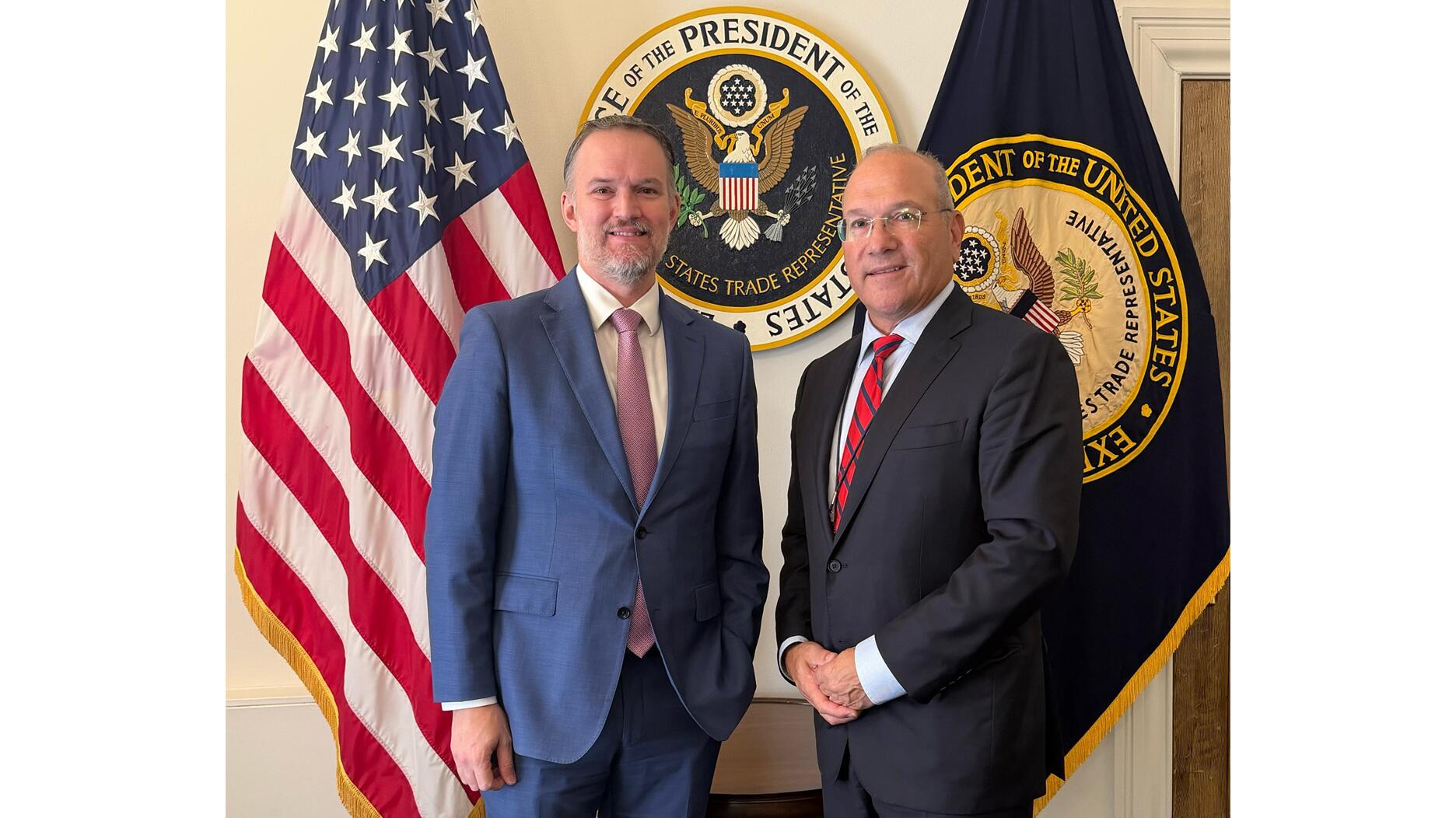
Industry Leaders Meet with Officials Amidst Shifting Tariff Landscape
Jewelers of America (JA), the industry’s largest trade organization, has renewed its efforts in Washington D.C. to advocate for the exemption of diamonds, gemstones, and pearls from new U.S. tariffs. JA President and CEO David Bonaparte, alongside World Diamond Council President Ronnie VanderLinden and JA’s Washington counsel Tim Haake, met with U.S. Trade Representative Jamieson Greer to discuss the implications of recently implemented duties. These tariffs, which took effect last week, target 60 countries and aim to penalize nations deemed insufficient in preventing forced labor within their supply chains. This latest wave of tariffs replaces temporary measures and establishes a new framework under Section 301 of the Trade Act of 1974, a legal basis previously utilized against China.
Mixed Outcomes for Diamond and Gemstone Trade
While the new tariff structure presents challenges, there have been some positive developments for the jewelry sector. Diamonds imported from the European Union are once again exempt from tariffs. Furthermore, the tariff rate has been reduced to zero for goods originating from Botswana and Namibia, key diamond-producing nations. Similarly, products from Kenya, Madagascar, Mozambique, Tanzania, and Zambia, countries significant for colored gemstone production, also face zero tariffs. However, a 10 percent import tax on goods from India, a major global diamond cutting and polishing hub, remains in effect and carries the potential for further increases. Industry concerns are amplified by proposed legislation, the Sanctioning Russia Act, which could impose a 100 percent tariff on imports from countries trading with Russia, including India and China.
Bonaparte expressed cautious optimism following the meeting, stating, “We were pleased to see that tariffs were not implemented on major diamond-producing countries like Botswana and Namibia. Tariffs on diamonds from the EU were also removed, a huge win for Antwerp.” However, he stressed the ongoing threat: “Tariffs remain a major threat for the jewelry industry and officials need to hear repeatedly from us on why diamonds, gemstones, and pearls should be excluded from them going forward.”
Navigating a Complex Tariff History and Future Uncertainty
The current tariff situation is the result of a complex legal and policy evolution. Previous exemptions for diamonds, gemstones, and natural pearls, secured after a prior advocacy trip to Washington in August 2025, were contingent on the U.S. having a trade agreement with the exporting nation. The Supreme Court’s decision to strike down tariffs imposed under the International Economic Emergency Power Act (IEEPA) in February led the administration to seek alternative measures. A temporary 10 percent tariff was enacted under Section 122 of the Trade Act of 1974, which has now been superseded by the Section 301 tariffs.
The U.S. Trade Representative’s office is also investigating allegations of “overproduction” in 16 countries, including India, China, Thailand, the EU, and Switzerland. This could lead to additional tariffs on a range of products, further impacting global trade. JA is urging its members to leverage the JA Legislative Action Center to communicate the detrimental effects of these tariffs directly to policymakers.
Broader Economic Concerns and Business Impacts
The impact of these tariffs extends beyond the jewelry industry, affecting businesses across various sectors and U.S. states. Senator Patty Murray of Washington, a state heavily reliant on international trade, highlighted how the tariffs are increasing costs for American families and businesses. Small and medium-sized businesses, particularly those in trade-dependent regions like Washington, face significant challenges in absorbing increased costs and navigating supply chain disruptions. Companies report substantial price increases on raw materials and components, leading to higher retail prices, decreased sales, and difficult decisions regarding staffing and future growth. The uncertainty surrounding trade policy is also cited as a major impediment to business planning and investment, with some businesses experiencing revenue losses in international markets due to retaliatory measures.
“There is no ‘making it in America’ when even making something here requires parts and raw material from across the globe. There is just higher prices for working families, tighter margins for struggling businesses, and more worry for families and businesses being pushed to the edge,” Senator Murray stated, emphasizing the broad economic consequences. The economic uncertainty, coupled with rising prices and potential job losses, raises concerns about broader economic slowdown and stagflationary pressures.
Sources
- —
- —
- —