Gold Price Surge Forcing Jewelry Designers to Innovate with Materials and Value
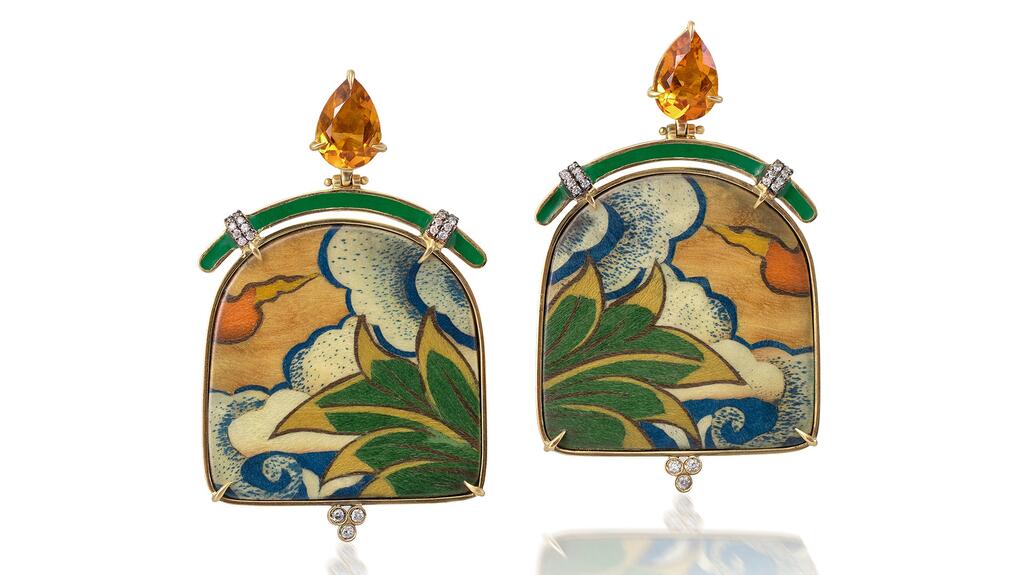
The jewelry industry is navigating unprecedented challenges as the price of gold continues its dramatic ascent. With gold prices soaring to new heights, designers are responding not by simply reducing the size or increasing the price of their pieces, but by demonstrating increased flexibility, creativity, and intentionality. This tumultuous market is fostering a new wave of innovation, with designers embracing alternative materials, highlighting craftsmanship, and redefining perceived value.
The Unprecedented Rise of Precious Metals
The price of gold has experienced a staggering increase. In 2025, gold was valued at $2,625 per ounce. By 2026, it had nearly doubled, reaching a peak of $5,340 per ounce as of press time. This surge is not isolated to gold; other precious metals have followed suit. Platinum, priced at $800 per ounce in 2025, climbed to approximately $1,960. Silver saw a near 300 percent increase, from $28 per ounce in 2025 to a peak of $114 in 2026. David Siminski, vice president of sales and marketing at United Precious Metals, attributes this chaos to a confluence of factors, including a lack of confidence in the U.S. dollar, geopolitical instability leading central banks to purchase physical metal, and increased investment from retail investors.
Siminski predicts that gold prices could continue to rise for years, potentially reaching $10,000 per ounce, suggesting that current prices may one day be viewed as a bargain. The demand for metals in the electronics industry also contributes to price increases.
Alternative Materials Take Center Stage
In response to the escalating cost of gold, many designers are turning to alternative materials such as wood, leather, glass, resin, and even antique Venetian glass. This trend is less about reducing costs and more about creative expression and differentiation in a market saturated with gold pieces. Jennifer Shanker, founder and creative director of Muse, notes, ‘The rising price of gold has certainly changed the conversation, but it hasn’t diluted the creativity. If anything, it’s pushed designers to be even more intentional.’
Designers are focusing on creating smaller, more thoughtful collections that justify their value through craftsmanship, concept, and longevity. Randi Molofsky, founder of brand development agency For Future Reference, observes that this mindset leads to an increase in one-of-a-kind pieces, allowing for more flexibility in pricing compared to production pieces that require constant repricing due to market volatility. ‘It’s about being thoughtful and making things unique so they aren’t overlapping with other things in the market,’ Molofsky states.
Wood and Leather: Embracing New Textures
Wood has emerged as a popular alternative material, prized for its warmth, contrast, and narrative potential. Anna Maccieri Rossi, for instance, has incorporated walnut and olive wood into her ‘Touch Wood’ collection, balancing these natural elements with 18-karat gold, diamonds, and sapphires. ‘I feel that if you are driven by the idea of choosing a material just because it’s a commercial object, the result could be without soul… Every brand needs to find its own skill, its own material, its own characteristic,’ says Maccieri.
Leather has also gained traction, fitting into both the alternative material trend and the resurgence of Western wear aesthetics. Designers like Marie Lichtenberg have moved from silk cords to leather for her lockets and scapular necklaces, offering a stylish and less costly alternative to gold chains. While leather itself might be less expensive, Lichtenberg emphasizes that the overall production cost of her intricate, high-jewelry pieces remains high, ensuring they retain a sense of luxury and value.
Innovation Through Technology and Craftsmanship
Beyond material choices, innovation is also being driven by technology. Boucheron’s ‘Quatre Sand’ capsule collection utilizes 3D printing to incorporate sand into 18-karat yellow gold cuffs, creating large, visually striking pieces that would be prohibitively heavy and costly if made entirely of gold. Paola De Luca, a trend forecaster, highlighted innovation as a key trend, stating, ‘Winning the global competition is mixing technology with craftsmanship.’
The emphasis is shifting towards creating meaningful and desired realities through a process of co-creation. This involves a deep understanding of existing potentials and a collaborative interaction between designers, users, and stakeholders. Innovation is viewed as both a design and a social process, aiming to create new meaning and realities that are both novel and understandable within users’ existing contexts. The MAYA principle—'Most Advanced, Yet Acceptable'—guides this approach, ensuring that new creations connect with users' lifeworlds.
Redefining Value and Investment
With the price of gold acting as a de facto currency, the intrinsic and investment value of jewelry is becoming a key talking point. Molofsky notes that educated customers are increasingly excited by the investment opportunity in high-value, one-of-a-kind pieces. For designers like Marie Lichtenberg, the rising price has led to a strategic decision to focus on producing fewer, more substantial gold pieces, aligning with her brand’s DNA of intricate, bold designs. She explains, ‘No matter what we’re doing, it’s going to be expensive so let’s go big because when it’s big, the perceived value is easy to understand.’
While alternative materials are gaining popularity, gold remains central. Designers are strategically incorporating touches of gold—‘the cherry on the cake’—alongside other durable materials like titanium and ceramic. The focus is on creative expression and maintaining brand identity. As Shanker puts it, ‘Our customers aren’t buying less gold, they’re just buying more thoughtfully.’
Ultimately, the current market conditions are acting as a catalyst for the jewelry industry. Designers are challenged to remain true to their brand DNA while innovating with materials, embracing technology, and emphasizing the enduring value of their creations. Marie Lichtenberg reflects, ‘Difficult times make strong people. Easy times make weak people.’ The current climate is pushing designers towards greater resilience and creativity, proving that only the innovative will survive.
Sources
- —
- —
- —
- —