Gen Z Redefines Luxury, Drives Retail Shifts Amid Economic Uncertainty
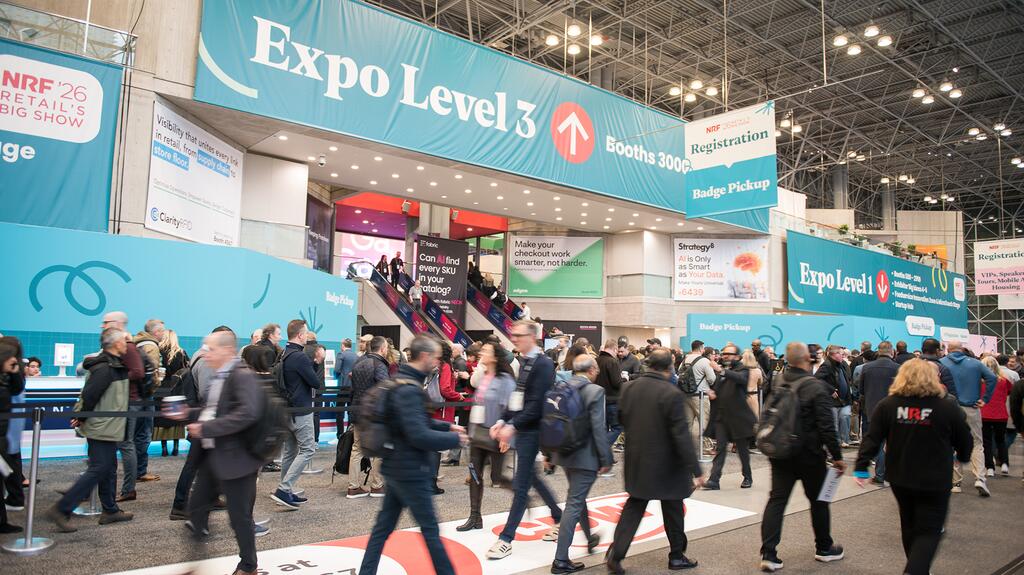
The retail landscape in 2026 is being profoundly reshaped by evolving consumer behaviors, particularly those of Gen Z. Economic instability, a shift towards digital channels, and a redefined notion of luxury are influencing how consumers shop and what they value, according to insights shared at the National Retail Federation’s Retail’s Big Show and industry analyses.
The K-Shaped Economy and Shifting Spending Habits
Experts at the National Retail Federation’s (NRF) annual trade show highlighted a K-shaped economy, where economic recovery is uneven. Mark Mathews, NRF’s chief economist, noted that while overall holiday sales saw a 4 percent increase in 2025, these figures, unadjusted for inflation, do not reflect universal spending growth. Peter Volberding, senior director at Bain & Company, explained that the top 50 percent of earners increased their spending, with the top 10 percent driving most of the growth. This bifurcation is expected to continue in 2026, with higher-income consumers fueling spending on discretionary items like luxury goods, watches, and jewelry.
Conversely, lower-income consumers have decreased their spending across most categories. This economic divide has significant implications for how different consumer segments approach purchasing decisions.
Gen Z’s Evolving Definition of Luxury
For Gen Z (born 1997-2012), financial instability has fundamentally altered their perception of luxury. MaryLeigh Bliss, chief content officer at YPulse, noted that this generation grew up with a constant sense of financial precariousness, anticipating recessions and economic downturns. This has led them to seek more value for their money.
Jewelry store employees observe this firsthand. Alex Bellman, COO at Bellman’s Jewelers, states that while engagement ring spending remains consistent, customers now opt for lab-grown diamonds to maximize their dollar. They prioritize immediate satisfaction and the desired piece now over potential future resale value. Jayden Inge at Henne Jewelers echoed this sentiment, noting that younger couples are budget-conscious and lean towards lab-grown diamonds for a ‘big look for less’.
Bliss elaborated that for Gen Z, brands previously not considered luxury, such as those found in big-box, thrift, or dollar stores, now represent aspirational purchases. This shift is deeply rooted in their formative experiences with economic instability, a mindset unlikely to change without drastic economic shifts.
'Doom Spending' and 'Little Treat Culture'
The prevailing sense of global instability has given rise to phenomena like ‘doom spending’ and ‘little treat culture.’ Many younger consumers feel little incentive to save for a distant future, opting instead to spend in the present. Bliss described this as a mentality of, ‘This is terrible. The world is aflame. But I am going to continue to spend or, actually, I’m going to spend because of that.’
This often manifests as impulse purchases driven by social media. Cassidy Boyle, a sales support specialist, noted that while Gen Z might not be frequenting fine jewelry stores yet, they are spending on excess in other areas, like fast fashion, to feel they are getting more for their money. Small, satisfying splurges, like a daily coffee or an accessory, have become a way for consumers to seek comfort and a sense of reward amidst challenging times.
The Rise of TikTok Shop and Digital Engagement
Social media platforms, particularly TikTok, are central to this new consumer behavior. TikTok Shop saw a significant year-over-year increase in sales during the last holiday season, with a majority of its customers under 25. The platform’s seamless integration of content and commerce allows users to discover and purchase products directly within the app, fueling impulse buying.
Alex Bellman has leveraged TikTok’s educational content through his ‘The Truthful Jeweler’ channel, significantly growing his business. While he recommends independent jewelers use TikTok to highlight their unique value propositions, he cautions that the TikTok Shop itself can be challenging for fine jewelry due to its mass-produced orientation.
Buy Now, Pay Later Remains Popular
Buy Now, Pay Later (BNPL) services continue to be a preferred payment option, especially among younger demographics. Services like Klarna, Affirm, and AfterPay allow consumers to split purchases into installments. While some jewelers report a decrease in financing use due to the popularity of lab-grown diamonds, industry data shows a significant portion of younger consumers utilizing BNPL for various purchases, from clothing to electronics and even groceries.
Notably, BNPL is also popular among higher-income households. Morgan Stanley noted that while the services do not yet pose a systemic debt risk, increased usage among younger consumers warrants monitoring.
Nostalgia and the Accelerated Trend Cycle
Gen Z’s relationship with trends and nostalgia is unconventional. Unlike previous generations who adhered to predictable 10- to 20-year trend cycles, Gen Z’s nostalgia is fluid, drawing inspiration from various decades, their childhood, or even recent events like the pandemic. This has led to a rapid and often unpredictable cycle of trends, with styles from just a few years ago being revived.
This trend is reflected in the jewelry industry, with brands like Harwell Godfrey and Mined + Found releasing collections inspired by childhood toys and playful aesthetics. The concept of ‘kidulting,’ where adults embrace child-like hobbies for stress relief, also ties into this nostalgic inclination.
Industry experts suggest that retailers who remain open-minded and embrace these shifts in consumer behavior, particularly those of younger generations, will find significant opportunities for growth. Understanding and authentically connecting with Gen Z’s values and purchasing drivers, even amidst economic uncertainty, is key to building lasting customer relationships and market presence.
Sources
- —
- —
- —