GemGuide Debuts Pricing for Popular Montana Sapphires
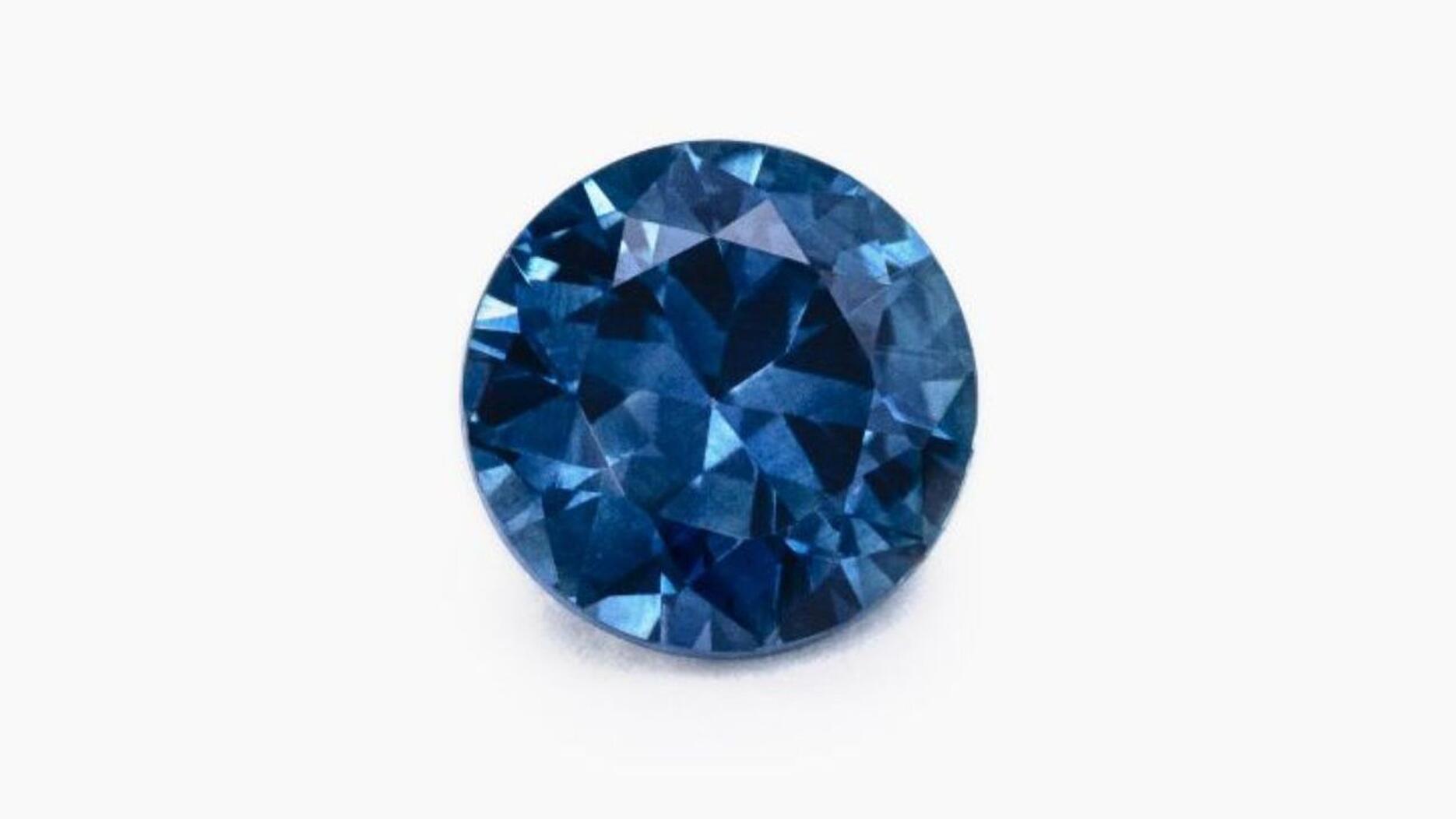
GemGuide has reintroduced pricing charts for Montana sapphires, a move that comes in response to the rising popularity of these domestically sourced gemstones. The new charts, launched on January 1st, cover blue, blue/green (teal), and green stones, with expectations of additional colors being added in future updates. This marks the first time GemGuide has offered pricing for Montana sapphires since 2014.
Market Trends and GemGuide’s Response
Montana sapphires have seen a significant surge in demand over the past decade, extending from the national to the international market, partly driven by a preference for American-made goods. Their unique color zoning, durability, and ethical sourcing appeal to a growing segment of consumers, particularly in the colored stone commitment jewelry sector and among independent designers.
In response to this strong market performance, GemGuide has categorized the pricing into three tiers: good, fine, and extra fine. This approach was adopted due to the narrow pricing range for the material, rather than the traditional ten-grade system. The commercial categories have not been populated. GemGuide’s pricing currently focuses on stones up to 2.99 carats, acknowledging that most Montana sapphire material is found in smaller sizes.
Key Production Areas and Gem Characteristics
The pricing is primarily based on material from the Missouri River and Rock Creek areas, which constitute the majority of the current Montana sapphire market. While Yogo Gulch is a significant historical source known for its saturated, naturally deep blue stones that often require no heat treatment, its production has been sporadic in recent decades, leading to limited supply and per-stone pricing rather than guideline-based pricing.
Other notable production areas include Dry Cottonwood Creek. Rock Creek and Dry Cottonwood Creek corundum typically undergo heat treatment, whereas Missouri River material is often sold in its natural state. Potentate Mining is currently the largest miner in the Rock Creek area, actively developing both domestic and international markets.
Montana sapphires are prized for their diverse color palette, which includes blues, teals, greens, yellows, oranges, pinks, and soft grays. Teal sapphires, a blend of blue and green, are particularly in vogue. The uniqueness of their color zones and the ability of gem cutters to create distinctive cuts contribute to their appeal. Color saturation is a primary factor in value, with deep, rich tones commanding higher prices. Smaller stones remain relatively affordable, while larger stones with deeper color are more expensive.
Understanding Value and Purchasing Considerations
Factors influencing the price of a Montana sapphire include color strength, clarity, size, and cut quality. While untreated stones are generally more expensive, heat-treated stones are widely accepted as they remain natural gemstones. Buyers are advised to inquire about any treatment details before purchase.
The choice of metal setting can also influence the gem’s appearance, with white gold accentuating cool colors, yellow gold warming softer shades, and rose gold complementing teal sapphires. Secure settings, such as prong or bezel settings, are recommended for durability, especially for daily wear.
Montana sapphires are considered a good choice for engagement rings due to their durability and aesthetic appeal. Their rarity, local origin, and the growing interest in ethical gemstones are factors that may support their long-term value, though personal meaning and quality remain paramount for buyers.
The new pricing charts are available to subscribers on the GemGuide app as of January 1st and will be included in the January/Feb 2026 print edition and digital flipbook. GemGuide continues its market research and welcomes feedback and suggestions for future pricing updates.
Sources
- —
- —
- —