Francesca's Files for Bankruptcy for Second Time, Cites Macroeconomic Factors and Data Breach
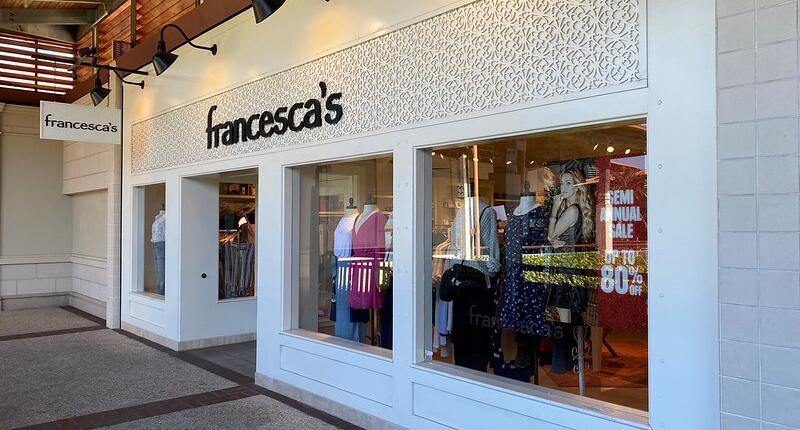
Second Chapter 11 Filing in Six Years
Francesca’s, the specialty retail chain known for its boutique-style clothing and accessories, has filed for Chapter 11 bankruptcy protection for the second time in approximately six years. The filing, made on February 5th in the U.S. Bankruptcy Court for the District of New Jersey, marks a significant downturn for the company after its previous restructuring in 2021.
The retailer announced plans to close all of its approximately 400 stores across 45 states as part of the bankruptcy process. Store closing sales, offering discounts ranging from 25% to 40% off across all product categories, have commenced with court approval. New merchandise is reportedly continuing to arrive at the stores.
Reasons for the Filing
According to Francesca’s Chief Financial Officer, Curt Kroll, several macroeconomic factors and internal issues contributed to the company’s financial distress. These include:
- A highly competitive retail landscape and the significant shift towards online shopping.
- Ongoing supply chain issues that limited merchandise access.
- The rising cost of goods and services due to inflation.
- A disruptive data breach in January 2023 that impacted operations and sales.
- Underperformance of non-core brands, such as Franki and Richer Poorer.
- Increased spending on marketing and promotional efforts between 2022 and 2024 to drive sales.
- The failure of an anticipated capital infusion in December 2025.
Kroll stated, 'Macroeconomic factors that have disrupted the retail industry generally have also impacted the Company, including shifts in the competitive landscape, a move towards online channels, supply chain issues, and increased costs of goods and services due to inflation, among other factors.'
Financial Snapshot and Creditors
In its Chapter 11 filing, Francesca’s reported assets valued between $10 million and $50 million, with liabilities ranging from $50 million to $100 million. The company owes money to more than 1,000 creditors.
As of the filing date, Francesca’s had approximately $30.1 million in secured debt, with the holders of that debt reportedly supporting the bankruptcy case. Among the top 30 unsecured creditors listed are former CEO Andrew Clarke, landlords like Simon Property Group and Tanger Properties, and several inventory suppliers.
Company History and Restructuring
Founded in Houston in 1999, Francesca’s operated over 400 stores and employed around 3,000 people at the time of its latest filing. The company reached its peak around 2016-2017, operating approximately 700 stores and generating over $500 million in sales.
The retailer’s first Chapter 11 filing occurred in December 2020. In January 2021, investment firms TerraMar Capital and Tiger Capital acquired the company out of bankruptcy. Following this restructuring, which included closing around 200 stores, Francesca’s returned to profitability the subsequent year. In September 2024, the company was acquired by MAS Acquisition.
Moving Forward with Liquidation
Tiger Group, SB360 Capital Partners, and GA Group are acting as advisors to Francesca’s in the current Chapter 11 process, facilitating the court-approved store closing sales. The company has filed customary motions seeking authority to continue supporting ongoing operations, including paying employee wages and benefits and honoring post-petition obligations to vendors.
'This process provides a structured path to pursue the best outcome for all stakeholders,' said Curt Kroll. 'We remain focused on operating responsibly and supporting our teams, partners, and guests throughout this process.'
The company is also seeking approval to continue its customer programs, such as those related to gift cards and rewards, and to pay certain prepetition taxes, fees, wages, and compensation for employees. The retention of store employees is deemed 'critical to ensure an orderly store closing and wind down process.'
Sources
- —
- —
- —
- —