Ethiopia Emerges as Potential New Source for Coveted Paraíba Tourmalines
New Discovery and Ongoing Research
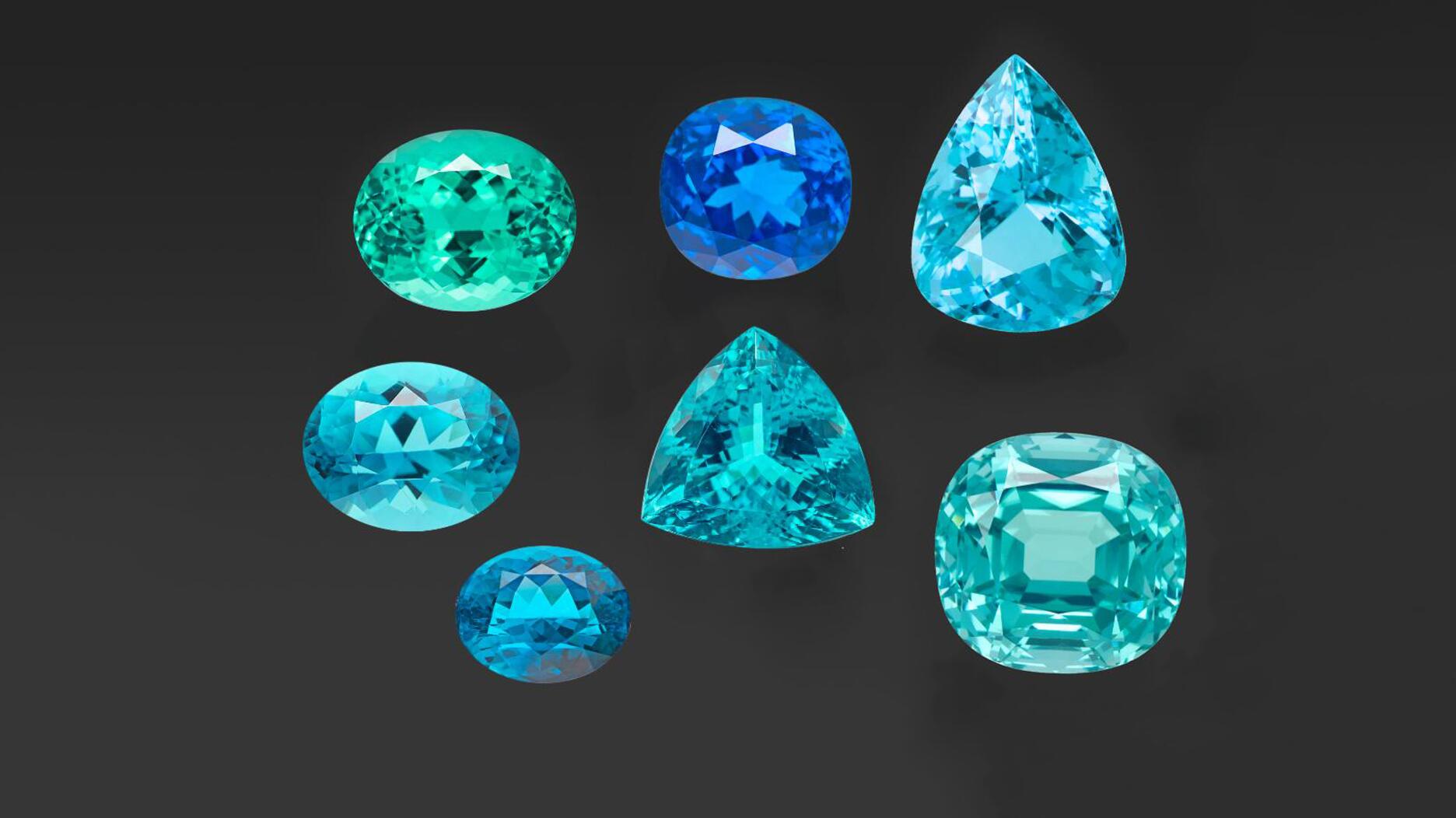
The highly sought-after Paraíba tourmaline, known for its electric blue and greenish-blue hues, may have a new source. The Swiss Gemmological Institute (SSEF) has received credible reports from industry sources indicating the discovery of a new deposit of copper-bearing tourmaline in Ethiopia. This news comes shortly after a private collection of five Paraíba tourmalines sold for over $3 million at a Sotheby’s auction, highlighting the gemstone's significant market appeal.
The potential Ethiopian discovery coincides with SSEF's analysis of several copper-bearing tourmalines submitted for examination. These stones presented challenges for definitive origin determination using existing analytical criteria and algorithms. Preliminary trace-element analyses revealed considerable overlap with gemstones from previously known deposits, particularly those from Brazil, leading SSEF to hypothesize that these inconclusive samples may be of Ethiopian origin.
A Brief History of Paraíba Tourmaline
Copper-bearing tourmalines, widely recognized in the trade as Paraíba tourmalines, first appeared on the commercial gem market in the late 1980s. The initial discovery was made by miner and prospector Heitor Barbosa in a weathered pegmatite in the Brazilian state of Paraíba. The gemstone quickly gained global attention for its exceptionally vivid blue to bluish-green colors, often described as ‘neon’ or ‘electric.’ This striking appearance is primarily attributed to the presence of copper within the tourmaline’s crystal structure, sometimes enhanced by manganese.
Expanding Sources and Market Impact
Production from the original Brazilian deposits in Paraíba and neighboring Rio Grande do Norte was relatively limited. This scarcity fueled excitement with the discovery of additional sources in Nigeria and Mozambique in the early 2000s. Mozambique, in particular, has become a significant supplier, producing larger quantities and occasionally yielding exceptional stones weighing several hundred carats, such as the 181.61-carat ‘Kat Florence Lumina.’
The emergence of Ethiopia as a potential fourth major source could eventually increase the availability of Paraíba tourmalines. However, rarity is a key component of the gemstone's mystique, and only a small percentage of rough material is considered gem quality, ensuring that fine examples remain highly sought after.
Analytical Challenges and Future Research
The similarity in chemical signatures between the potential Ethiopian Paraíba tourmalines and those from Brazil presents an analytical challenge. SSEF scientists are actively engaged in research to characterize this new material and refine the methods used for distinguishing it from tourmalines mined in other locations. This ongoing work aims to improve the precision of origin determination, enabling the trade to better identify and value these increasingly diverse gemstones.
Despite the origin complexities, Paraíba tourmalines remain a popular choice for jewelry. Ranking 7 to 7.5 on the Mohs scale of hardness, they are durable enough for everyday wear. The gemstone is also one of October's official birthstones, sharing the honor with opal.
Sources
- —
- —
- —
- —