Canada's First Diamond Mine, Ekati, Set to Close Amid Financial Woes
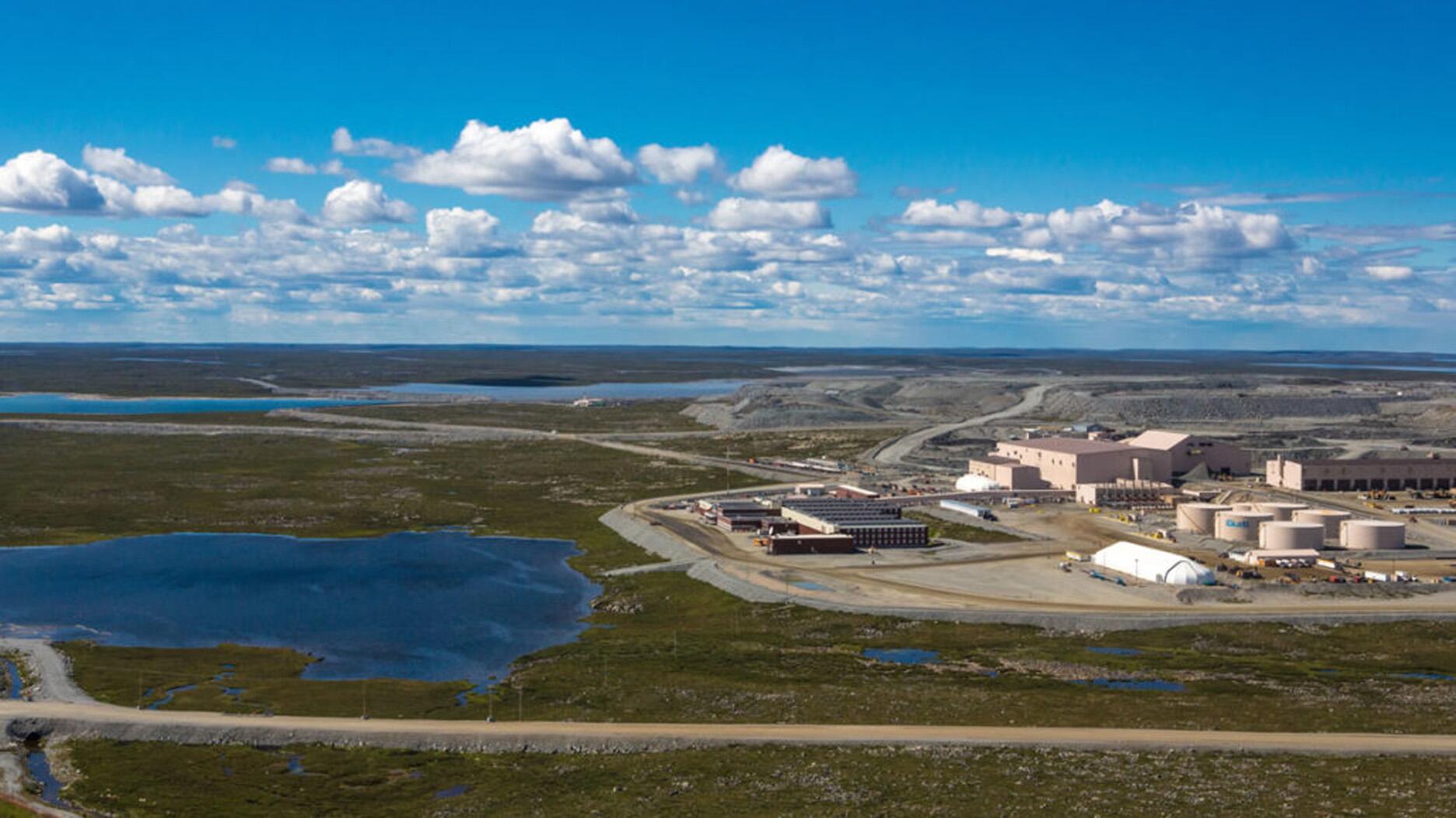
Ekati, Canada’s first and oldest diamond mine, is slated to close by mid-August following a failed process to find a buyer. The Government of the Northwest Territories (GNWT) has taken steps to place the mine into receivership and initiate an orderly wind-down of operations. This development significantly impacts Canada's diamond mining sector, potentially leaving the country with only one operational diamond mine.
Financial Difficulties Lead to Closure
The decision to close Ekati comes after its owner, Burgundy Diamond Mines Ltd., and its subsidiary Arctic Canadian Diamond Company Ltd., faced insurmountable financial challenges. The mine was granted insolvency protection under Canada’s Companies’ Creditors Arrangement Act (CCAA) in May, with the aim of restructuring Arctic Canadian to ensure Ekati's continued operation. However, a subsequent sales and investment solicitation process, which lasted eight weeks and concluded with a bid deadline of July 10, did not yield any viable bids.
According to court documents filed by the GNWT, Burgundy owes approximately $175 million to the Canada Enterprise Emergency Funding Corporation (CEEFC), a government entity, and an additional $79 million to various other lenders. The company was expected to exhaust its available funds by mid-July. CEEFC, which had been providing interim funding, has stated it will not extend further financial support. This lack of funding and the absence of compliant bids ultimately led to the court granting the application for receivership.
Jeremy King, CEO of Burgundy Diamond Mines Ltd., expressed deep disappointment regarding the closure, acknowledging Ekati’s significant contributions over its 25-year history as a major employer and its strong relationships with Indigenous communities and local businesses.
Government Takes Responsibility for Mine's Future
Following the court's decision, PricewaterhouseCoopers (PwC) has been appointed as the receiver to oversee the mine's closure, an estimated five-week process. Post-closure, the site will be handed over to the GNWT, which will manage environmental remediation and reclamation activities. Minister of Environment and Climate Change Jay Macdonald assured that the GNWT will uphold its responsibilities to protect the land, water, and public interest, ensuring all environmental and regulatory obligations are managed through appropriate legal and regulatory processes.
A Shrinking Canadian Diamond Landscape
The closure of Ekati marks a significant turning point for Canada's diamond mining industry. Once boasting more than a half-dozen diamond mines, the country has seen a steady decline. The nearby Diavik Diamond Mine, operated by Rio Tinto, ceased operations in March. De Beers Group’s Gahcho Kué mine, currently Canada's only other operational diamond mine, is also facing an uncertain future, with production expected to end by 2028 unless an expansion project is approved. De Beers has also paused the Tuzo Phase 3 expansion at Gahcho Kué, which would have extended its life until 2030.
Industry experts have noted the growing rarity of natural diamonds and the decreasing number of countries with commercially viable diamond deposits. De Beers CEO Al Cook has previously remarked that Canada could potentially be the next major diamond-producing country to see its mining activities dwindle significantly, drawing parallels to declines in diamond production from Australia, Brazil, and India.
The challenges faced by Ekati—including falling diamond prices, competition from lab-grown diamonds, inflationary pressures, and supply chain issues—are indicative of broader market pressures affecting the natural diamond sector globally. Other mines, such as the Kao mine in Lesotho, have also closed, and major producers like De Beers and Alrosa have announced temporary suspensions or halts in production at some of their operations.
Sources
- —
- —
- —