Rio Tinto's Diavik Mine Concludes Production After 23 Years
A Landmark in Northern Mining Ends
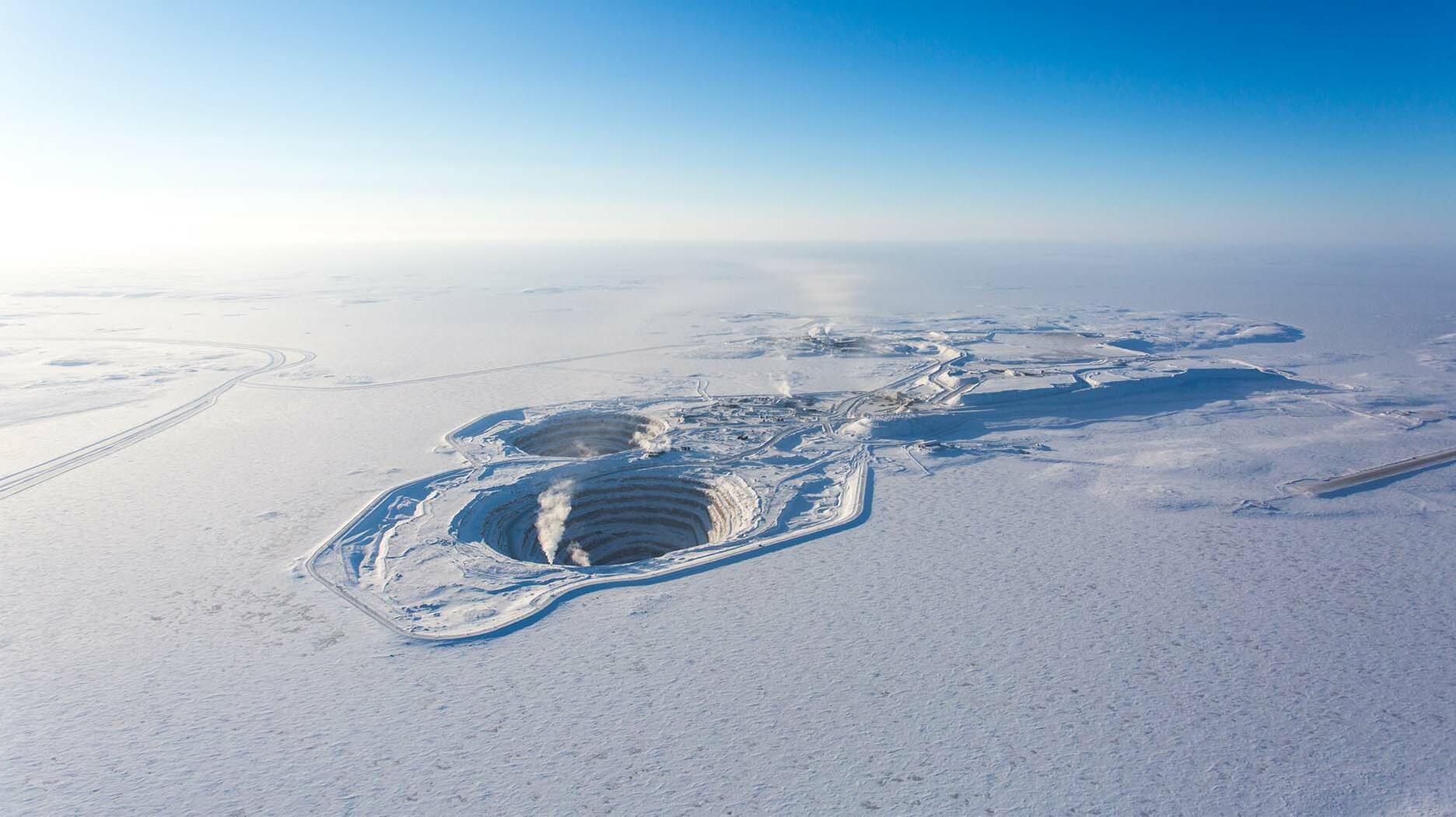
Rio Tinto's Diavik diamond mine, a significant economic force in Canada's Northwest Territories (NWT), has officially concluded its production phase. On March 24, the final load of ore was extracted, marking the end of 23 years of operation for the mine located less than 150 miles south of the Arctic Circle. Over its lifespan, Diavik produced more than 150 million carats of rough diamonds, becoming a cornerstone of the regional economy.
The closure marks a historic moment, celebrated with Indigenous government organizations, government representatives, and other stakeholders. Rio Tinto Chief Operating Officer Matthew Breen described it as an 'historic day for Diavik and the Northwest Territories and a great source of pride for this unique Canadian success story.' He highlighted the mine's success as an 'inspired collaboration between a modern mining company and Indigenous partners with an enduring legacy of socioeconomic benefits for the North.'
From Discovery to Closure
Discovered in 1991 beneath Lac de Gras, a lake in the sub-arctic tundra, Diavik commenced mining operations in 2003. The mine utilized both open pit and underground methods to extract diamonds from its four kimberlite pipes. Primarily known for its predominantly white gem-quality diamonds, Diavik also yielded a small proportion of yellow diamonds and occasionally rare colored stones, including a violet diamond last summer. In 2018, the mine was the site of North America's largest diamond discovery – a 552.74-carat yellow diamond.
Beyond its impressive diamond yields, Diavik was a substantial contributor to the NWT's economy. The Government of Northwest Territories recognized it as 'a pillar of the NWT economy,' supporting over 1,100 jobs annually and contributing nearly 10 percent of the territorial GDP. The mine invested approximately $11.75 billion over its lifespan, with $8 billion spent in the North, fostering Indigenous partnerships, local businesses, and a skilled northern workforce.
Transition to Reclamation
While production has ceased, the work at Diavik is far from over. Rio Tinto stated that planning for the mine's closure began before production even started, focusing on safety, land use, biodiversity, and community capacity. Closure activities are scheduled to continue through 2029, followed by a period of post-closure monitoring. The plan includes the demolition and safe disposal of on-site buildings, and eventually, the breaching of embankments to allow lake water to return to the mined-out areas.
'Forty years ago, there were very few people who believed there were diamonds in Canada – even fewer could have foreseen how the Diavik story would unfold,' said Sophie Bergeron, Rio Tinto’s iron, titanium, and diamonds managing director. 'To arrive at this milestone has required vision, courage, and determination to overcome significant challenges to mine diamonds beneath a frozen lake in one of the world’s most remote and pristine ecosystems.'
The final production of rough diamonds from Diavik will be processed and sold through Rio Tinto's international customer network, including its Select Diamantaires, by 2026 and beyond.
A Bittersweet Closing of an Era
Diavik's closure comes as the broader diamond mining sector in the NWT faces potential downturns. The mine's 23-year legacy not only represents the end of a significant mining operation but also signifies the closing of an era that has profoundly shaped the modern North. Currently, two other diamond mines remain active in Canada: Ekati (owned by Burgundy Diamond Mines) and Gahcho Kué (owned by De Beers Group).
Sources
- —
- —
- —