De Beers Navigates Shifting Diamond Landscape Amid Rise of Lab-Grown Alternatives
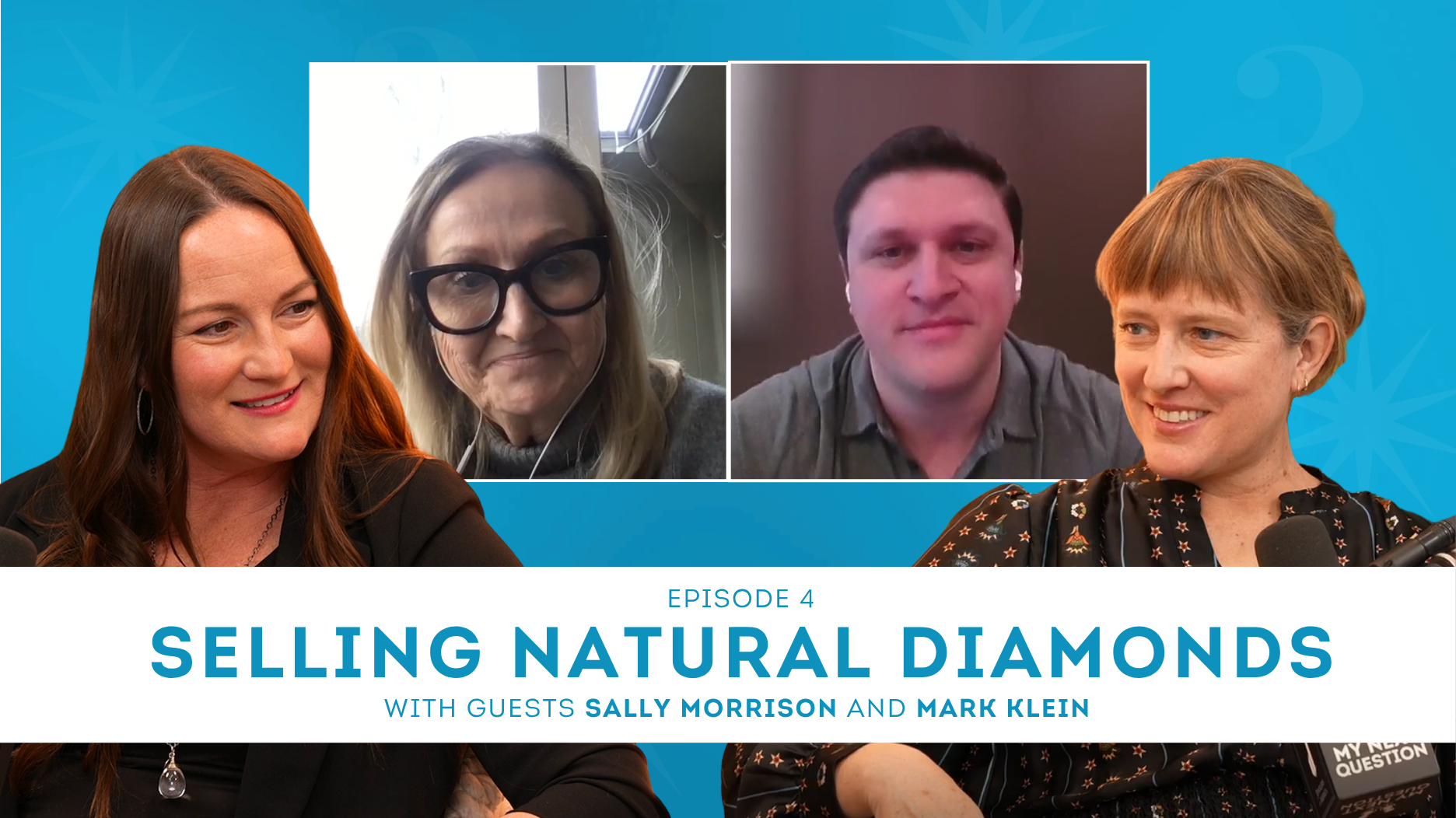
The natural diamond industry, spearheaded by De Beers, is confronting a significant strategic challenge presented by the burgeoning market for lab-grown diamonds. This shift, exacerbated by changing consumer preferences and economic factors, is prompting a reevaluation of how natural diamonds are positioned, particularly to resonate with younger generations.
The Rise of Lab-Grown Diamonds
The increasing popularity of lab-grown diamonds has created a dilemma for traditional diamond producers like De Beers. Consumers are increasingly drawn to these alternatives due to factors such as perceived eco-friendliness and cost-effectiveness. A report on Academia.edu highlighted that the synthetic diamond market was projected to grow at a compound annual growth rate of 45%, potentially exceeding $2 billion by 2015. This growth has put pressure on the market dominance of natural diamonds.
In a recent episode of the podcast “My Next Question,” De Beers’ natural diamonds lead for the U.S., Sally Morrison, discussed how cultural shifts, including what she termed the 'Kardashian-ing' of culture, may have contributed to the rise of lab-grown diamonds. She elaborated on De Beers’ new ‘beacon’ program, themed 'Desert Diamonds,' aimed at redefining the narrative around natural stones.
De Beers' Strategic Response
Facing market pressures, De Beers has had to adapt its strategy. Historically, the company controlled a significant portion of the market, with its market share reportedly dropping from 85% to 65% by 1999 due to rising competition. By the early 2000s, De Beers shifted from a supply-control model to a demand-driven strategy. This involved enhancing supplier relationships and focusing on branding through initiatives like the 'Supplier of Choice' program.
De Beers CEO Al Cook recently stated Vogue Business that the company's objective is to make natural diamonds appealing to a younger demographic. This involves a concerted effort to highlight the unique value and emotional resonance of natural diamonds in a market increasingly influenced by new technologies and consumer values.
Market Dynamics and Industry Adjustments
The broader diamond industry is also experiencing significant changes. India's diamond processing industry plays a dominant role, employing a million people and processing over half the global diamond value at competitive costs. This concentration highlights the intricate global supply chain and the economic implications for different regions.
Beyond the lab-grown challenge, other market factors are at play. Rising gold prices have led retailers to explore alternative materials. For instance, Chris Ploof's 'Modern Electrum' collection utilizes a non-tarnishing alloy of gold and silver. Additionally, events like the JA New York Show, now produced by Instore, and educational initiatives like GIA’s NextGem™ training program underscore the industry's continuous efforts to adapt and evolve.
Looking Ahead
The “State of the Diamonds: The Way Forward for Natural Diamonds” discussion indicates a period of reassessment for the industry. As Gen Z continues to reshape the retail landscape and lab-grown diamonds gain market share, natural diamond producers must innovate their marketing, branding, and value propositions. The strategic dilemma for De Beers and the industry at large lies in preserving the allure and perceived value of natural diamonds while acknowledging and adapting to the evolving preferences of the modern consumer.
Sources
- —
- —
- —