US Consumer Confidence Sees Modest Rise in April Amidst Inflationary Pressures
Confidence Edges Up Despite Economic Headwinds
U.S. consumer confidence experienced a slight increase in April, reaching 92.8 on The Conference Board’s Consumer Confidence Index, up from a revised 92.2 in March. This marks the second consecutive month of modest gains, yet the overall reading remains near its lowest levels since the COVID-19 pandemic. The survey, conducted from April 1-22, captured a period that included a temporary ceasefire in the Middle East conflict and a subsequent rebound in U.S. equities.
Despite the uptick, underlying concerns about the conflict in the Middle East and escalating energy prices continue to affect consumer sentiment. Dana M. Peterson, chief economist at The Conference Board, noted, “Consumer confidence edged up in April but was overall little changed, despite material concern about rising gasoline prices as the war in the Middle East prompted a surge in Brent crude oil prices.”
Mixed Economic Appraisals
Consumers’ views on current business and labor market conditions, as measured by the Present Situation Index, saw a slight decline, slipping to 123.8 in April from a revised 123.5 in March. While consumers expressed more pessimism regarding current business conditions, perceptions of the labor market showed a marginal improvement. The labor market differential—the gap between consumers reporting plentiful jobs and those reporting jobs as hard to get—saw a modest rise.
Conversely, the Expectations Index, which gauges consumers’ short-term outlook on income, business, and labor market conditions, improved to 72.2 in April from a revised 71 in March. However, this index has remained below the 80-point threshold for 15 consecutive months, a level that typically signals an impending recession. While expectations for the labor market and household income improved slightly, views on future business conditions were somewhat more negative.
Inflationary Worries and Spending Shifts
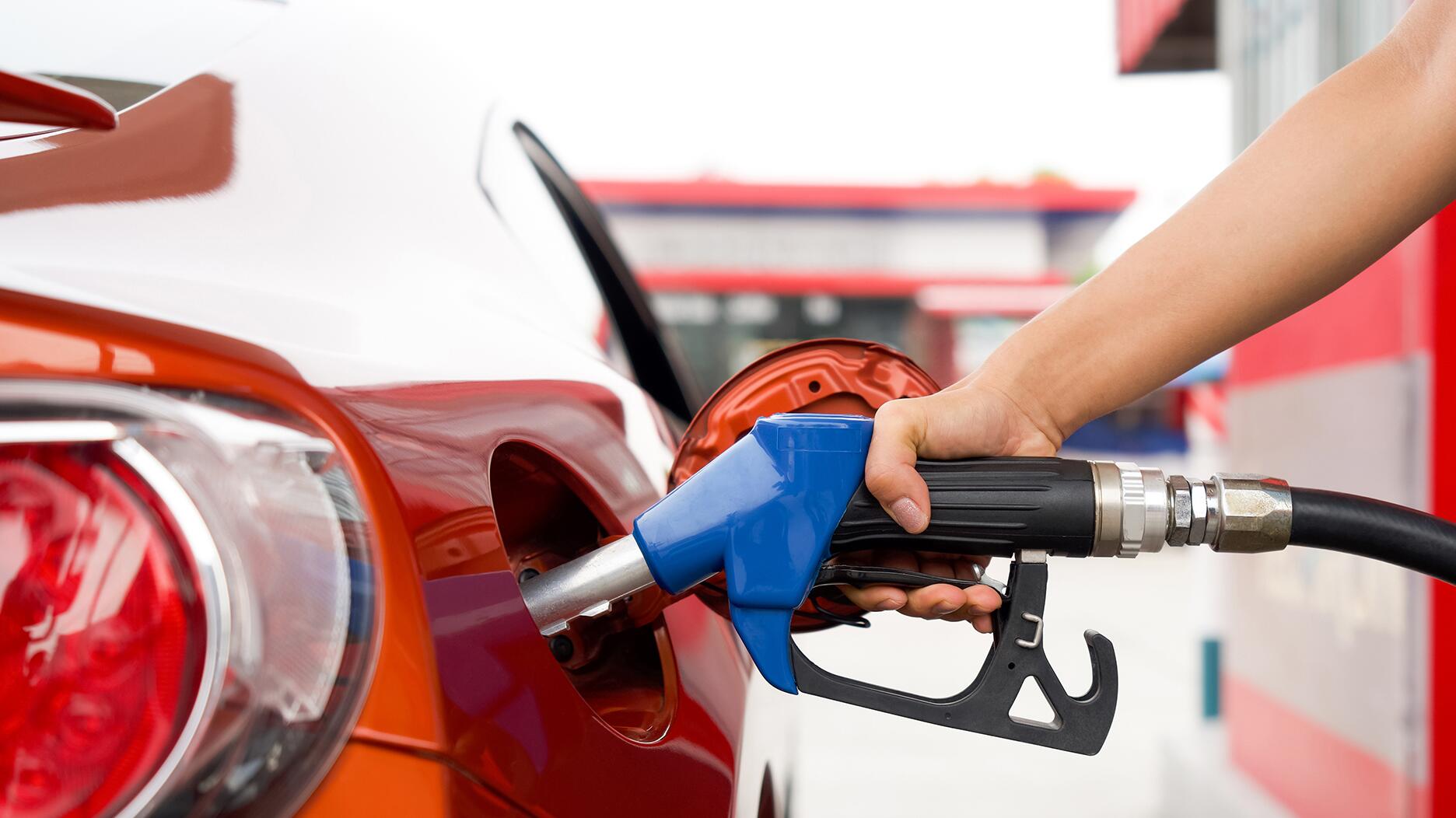
Soaring energy prices, particularly gasoline, have become a significant concern, with the national average price per gallon rising to $4.18. This surge has contributed to a sharp spike in inflation, with consumer prices rising 3.3% in March from a year earlier, the largest yearly increase since May 2024. This inflationary pressure is particularly challenging for lower- and middle-income households.
“Consumers are singing the blues,” commented Heather Long, chief economist at Navy Federal Credit Union. “They aren’t happy with high prices for gas, housing, electricity and many other items. It’s clear consumers aren’t going to feel much better until there’s an end to the Middle East conflict.”
These persistent price concerns are influencing spending habits. While many consumers still plan to purchase big-ticket items in the next six months, a growing number have shifted their intentions from ‘yes’ or ‘maybe’ to ‘no.’ Used cars, furniture, TVs, and smartphones remain popular planned purchases. Anticipated spending on services over the next six months declined across most categories, with the exception of pet care. Restaurants, bars, and take-out services continue to be the top spending category, followed by beauty and personal care, and then streaming, internet, and mobile services.
Demographic and Political Divides
Confidence levels varied across demographics. On a six-month moving average basis, confidence declined for consumers aged 35 and older, while younger consumers, particularly Millennials and Gen Z, reported improved optimism. Consumers aged 55 and over remained the least optimistic group.
By income, confidence levels were mixed but generally more pessimistic in April across most groups. Political affiliation also showed a divide, with Republicans remaining the most optimistic. Confidence levels decreased among Independents, while Democrats saw a slight improvement.
Federal Reserve Policy and Market Reactions
The ongoing inflationary pressures and the prospect of further price increases make it unlikely that the Federal Reserve will cut its benchmark interest rate at its upcoming meeting. The Fed had previously cut rates in late 2025 to support the labor market, but current inflation levels, which remain above the Fed’s 2% target, have led to the central bank holding rates steady at its past two meetings.
Consumers’ median 12-month inflation expectations eased slightly to 5.1% in April from 5.2% in March, though they remain elevated. Expectations for higher interest rates over the next 12 months also rose, with nearly 50% of respondents anticipating an increase. Stock price expectations a year from now also saw an uptick.
Despite the prevailing economic concerns, tax refunds have provided a temporary cushion for some consumers, helping to sustain discretionary spending. The share of consumers planning to buy a motor vehicle in the next six months reached its highest point in nearly 1.5 years. Similarly, more consumers expressed intentions to buy a house, potentially influenced by moderating house price growth and lower mortgage rates compared to the previous year. However, enthusiasm for purchasing household appliances has waned, likely due to higher prices.
Travel plans are also being re-evaluated, with fewer consumers planning vacations and a decrease in those intending to drive to their destinations, reaching a low not seen since April 2020. Domestic travel continues to be favored over international travel, although plans for foreign travel have seen some recovery. Spending on airfare and trains for personal travel declined again in April.
The Conference Board’s survey results for May are scheduled for release on May 26.
Sources
- —
- —
- —
- —