Angolan Diamond Companies Join Natural Diamond Council, Bolstering Marketing Budget
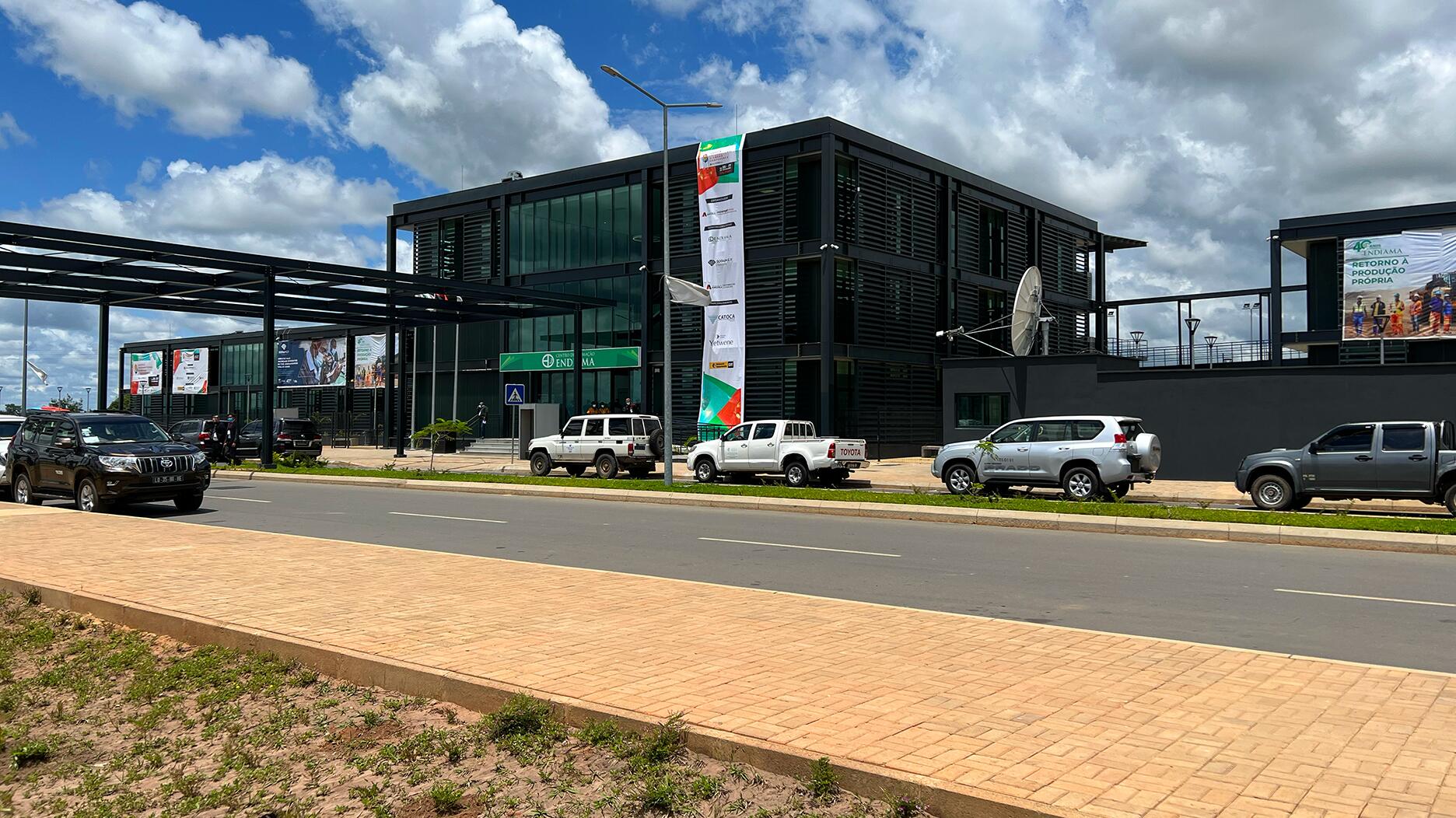
Angola's Key Diamond Entities Join NDC
The Natural Diamond Council (NDC) has announced that two major Angolan diamond companies, Endiama E.P. (the National Diamond Company of Angola) and Sodiam E.P. (the National Diamond Marketing Company of Angola), have officially become contributing members. This significant development is expected to nearly double the NDC’s annual budget, providing a substantial boost to global natural diamond marketing efforts.
The membership follows the signing of the Luanda Accord in June 2025, a pledge made by six diamond-producing countries and four industry organizations. As part of this accord, producer countries and De Beers Group committed to contributing 1 percent of annual rough diamond revenues to the NDC. Initially, Endiama E.P. and Sodiam E.P. announced they would join as contributing members on July 1, 2025, pledging $8 million for marketing, with De Beers matching this contribution. While there was a six-month delay in their formal funding, Kristina Buckley Kayel, NDC Managing Director for North America, confirmed that the $16 million in additional funding has now been received.
This infusion of capital is crucial for the NDC’s 2026 budget, which is anticipated to be approximately double that of the previous two years. This increase represents a significant recovery toward historic peak funding levels, particularly after the exit of Alrosa in 2022. Further details on the budget are expected after the new CEO, Amber Pepper, joins on February 2.
Shifting Membership Landscape
With the addition of Endiama E.P. and Sodiam E.P., the NDC’s council members now include De Beers, Botswana’s Okavango Diamond Company, and Petra Diamonds. Notably, Rio Tinto and Murowa, which operates a diamond mine in Zimbabwe, are no longer active members. According to Kayel, their departure was due to not meeting the contribution levels required for active membership. The NDC, however, maintains an open and collaborative relationship with both organizations.
The Luanda Accord and its Implications
The Luanda Accord was designed to establish a framework for diamond-producing countries and industry stakeholders to support global generic natural diamond marketing through the NDC. Signatories included Angola, Botswana, Namibia, South Africa, Sierra Leone, the Democratic Republic of the Congo, the Antwerp World Diamond Centre, the African Diamond Producers Association, the Gem and Jewellery Export Promotion Council, and the Dubai Multi Commodities Centre. While the accord’s primary aim was to create a sustainable funding mechanism, its implementation has faced bureaucratic challenges.
The delay in funding highlights the complexities of government contributions, which often involve additional layers of bureaucracy and legislative approval. The 1% mechanism requires individual government approvals from each signatory country. A potential workaround involves channeling contributions through state-owned rough-selling agencies, such as Botswana’s Okavango Diamond Company and Angola’s Endiama. However, contributions from other signatory countries remain less certain, reigniting discussions about who should bear the responsibility for category marketing funding.
Funding Responsibilities and Future Outlook
The debate continues over whether producer countries or mining companies should fund the NDC. Sources suggest that the NDC is reviewing its bylaws for 2026 to align with the Luanda Accord, which would require member companies to contribute 1% of their revenue. While De Beers has committed to this, it may present challenges for smaller mining companies facing declining sales and profitability.
The role of the trade in funding marketing efforts is also a point of discussion. Trade bodies have often resisted formal commitments, arguing that marketing fees are already embedded in rough diamond prices. Mining companies may challenge this perspective, potentially leading to
Sources
- —
- —
- —