Angola Ascends in Global Diamond Market, Eyes Value-Added Future
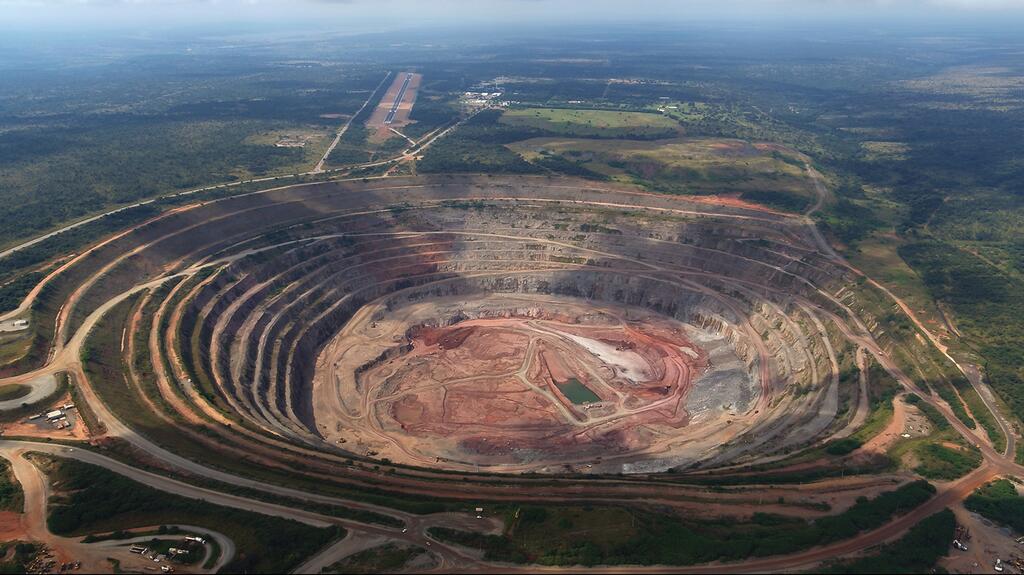
Angola is making significant strides to transform its diamond industry from a primary producer to a fully integrated sector, encompassing mining, cutting, polishing, and ultimately, jewelry manufacturing. With ambitious plans and strategic reforms, the nation is solidifying its position as a major player, aiming to enhance the global recognition and value of its diamond output.
Angola's Growing Production and Global Standing
In 2025, Angola produced an impressive 15.2 million carats of diamonds, valued at $1.81 billion, making it the third-largest diamond-producing country by volume globally, trailing only Russia and Botswana. This output represents 15 percent of the world's total diamond volume. The Angolan government is actively working to boost this figure, with projections to reach 14.5 million carats in 2024 and an ambitious 20 million carats by 2027. This growth is partly fueled by the successful launch of the Luele mine, which, though relatively new, shows potential to surpass the country's largest mine, Catoca.
The nation has undergone significant reforms over the past decade to foster a more attractive business environment, successfully drawing back major industry players like De Beers and Rio Tinto for exploration activities. Rio Tinto is nearing production, while De Beers is in earlier stages but reporting positive results. These developments underscore the effectiveness of Angola's market policy reforms, which have introduced greater transparency and openness in diamond sales, allowing for competitive bidding and fair pricing.
Vertical Integration and Local Value Addition
A key focus for Angola is moving up the value chain. The country has invested heavily in cutting and polishing facilities, inaugurating a diamond hub in 2021. Currently, nine to ten cutting and polishing factories are operational, employing an average of 75-77% local workforce, many of whom have been trained from scratch. KGK Group stands as a significant investor in this sector, with plans for further expansion.
Beyond diamonds, Angola has also established its first gold refinery, signaling a broader commitment to local resource transformation. The ultimate vision is to create a thriving jewelry sector, with pieces made in Angola by Angolans, using diamonds mined, cut, and polished within the country. This commitment to local content is legally mandated for all investments.
Key Mines and Production Focus
Angola's diamond production is primarily driven by two major kimberlite mines: Catoca and Luele. Together, these mines account for over 80% of the country's total diamond output.
- Catoca Mine: Located near Saurimo in the Lunda Sul province, Catoca is Angola's largest diamond mine and the fourth-largest globally. It operates as a joint venture and accounts for over 75% of Angola's diamond output, producing more than 7 million carats annually. The mine has reserves for an estimated 8 to 10 years, with potential for underground expansion.
- Luele Mine: Situated near Catoca, Luele was discovered about two years ago and is fully controlled by ENDIAMA and Angolan partners. It has shown significant production levels comparable to Catoca and possesses the potential to be three times larger. The mine has already made a substantial community impact, building houses and providing infrastructure for local families.
While industrial mines dominate in volume, alluvial mining remains important for high-quality, naturally polished diamonds found in riverbeds. However, alluvial mining faces challenges such as underdeveloped infrastructure and regulatory hurdles aimed at curbing illegal mining.
Addressing Market Challenges and Future Outlook
Angola acknowledges the current challenges in the natural diamond market, including competition from lab-grown diamonds and reduced consumer discretionary income. Despite this, the nation views these times as opportune for growth and seeking new partnerships. By attending events like the JCK Las Vegas show, Angola aims to connect with retailers, polishers, and designers to foster cooperation and capture more value along the supply chain.
Elton Escrivão, commercial director for Endiama, announced that Angola will implement a substantial reduction in the supply of small-sized rough diamonds in the coming months, particularly from the Catoca and Luele mines. This strategic move aims to protect the value of Angolan production and stabilize the market, which has seen a decline in prices for smaller stones. De Beers CEO Al Cook applauded this initiative, noting it aligns with a broader trend of decreasing diamond supply from major global sources.
The Angolan government remains confident in the long-term recovery of the natural diamond market and continues to invest in exploration. They emphasize that purchasing Angolan diamonds means supporting local communities and contributing to development, branding them as 'community diamonds'.
Community Impact and Transparency
The diamond industry in Angola is deeply intertwined with community development. Diamonds account for approximately 2% of the nation's GDP, but their impact is often greater due to their direct link with local populations. Unlike offshore oil extraction, diamond mining typically occurs onshore, fostering closer relationships with surrounding communities. Investments in mining areas, such as the diamond hub in Lunda Sul, are designed to create value and development for these communities. Initiatives like building housing and providing access to agriculture, electricity, and water at the Luele mine exemplify this commitment.
Angola's diamond trading system is highly centralized and regulated, managed by SODIAM, the state-controlled marketing and export agency, ensuring compliance with the Kimberley Process and preventing conflict diamonds from entering the market. This structure, born from a history of colonial exploitation and post-independence instability, now emphasizes transparency, ethical sourcing, and international integration.
Sources
- —
- —
- —