American Gem Cutters Embrace Digital Age, Artisan Spirit
A New Generation of Lapidarists
The art of gem cutting in America, long characterized by innovation and artistic expression, is evolving. Today’s young American lapidarists, often self-taught, are leveraging technology and online platforms to connect, learn, and sell. While many pursue it as a hobby, a growing number are establishing full-time careers, demonstrating the initiative, passion, and strong relationships required in the modern jewelry industry.
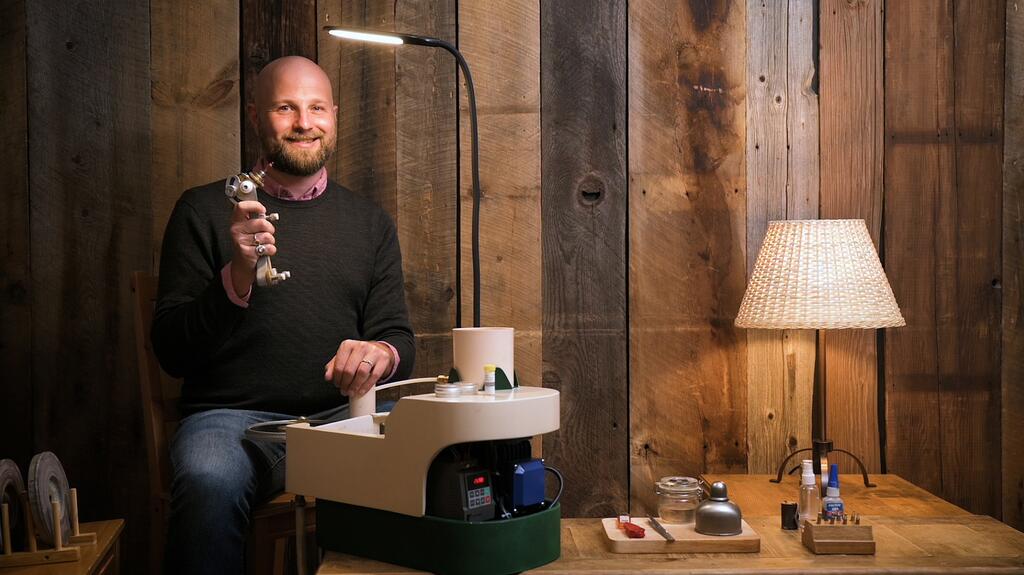
Justin K. Prim, a teacher, gemologist, and lapidarist at Magus Gems, observes this shift firsthand. He and his wife, Victoria Raynaud, also a gem cutter, run Faceting Apprentice, a gem-cutting school offering virtual and in-person courses. Prim notes a persistent shortage of commercial gemstone cutters in America, a trend he attributes partly to a cultural disconnect between aspiring cutters and traditional workshop settings.
Historically, gem cutting was a trade passed down through generations with guarded knowledge. However, Prim explains that American gem cutting developed with a more amateur-driven approach. This history, combined with a contemporary desire for creative freedom, has led to a generation of cutters who prioritize personal artistic expression over commercial demands. "They want to just cut the things they like or cut the designs they like. It’s a very artisan market,” Prim states.
This artisan mindset presents a challenge for workshops seeking skilled labor. Prim conducted a poll within a gem cutter Facebook group, asking if cutters would accept a well-paying job ($40/hour, comparable to a plumber) at a local gem-cutting factory. The response was a resounding no. "They don’t want anyone to tell them what to do. They don’t want to cut anything they don’t want to cut," he explained. While this artistic freedom thrives in independent work, commercial workshops often prefer cutters trained in specific, standardized techniques.
Navigating Career Paths and Digital Communities
For those aiming for a full-time career, Prim emphasizes the entrepreneurial nature of being a gem cutter. Success often hinges on balancing client work with personal brand building and administrative tasks. He advises aspiring cutters to start by building relationships with local jewelers, who frequently need repair and recutting services and may not have readily available local resources.
The digital landscape has become indispensable for modern lapidarists. Prim himself entered the industry in 2014 and found community and inspiration online. He highlights platforms like Instagram, web forums, and Discord for sharing resources and staying connected. "The community is crucial. It used to be that the lapidary club or the mineral club was how you would build that community, but today, post-2010, it’s Facebook groups," he notes.
Young cutters like Jenna Sloane, 25, and Nadine Marshall, 19, exemplify this digital-first approach. Sloane, now a full-time independent cutter in California, taught herself faceting and initially worked in a jewelry store where she felt exploited by low pay and excessive responsibilities. She now specializes in unconventional shapes and actively builds relationships with miners, even traveling to Montana sapphire mines to connect with producers directly.
Marshall, who began faceting at age 12, leveraged her parents’ help to establish an Instagram presence. Through social media, she gained support for her ambitions, including travel to industry events. Both Sloane and Marshall have collaborated with companies like Anza Gems, which highlights the mine-to-market journey by showcasing the cutters behind the gemstones.
Market Dynamics and the Value of American Cutting
The American market for colored gemstones is diverse and driven by consumer psychology, with a strong emphasis on retail products, particularly for bridal and fashion jewelry. Blue stones, especially sapphires, remain dominant, with royal and cornflower blue being top choices. However, there's a growing appreciation for unique stones like teal and parti sapphires, particularly among younger consumers seeking individuality.
Emeralds, especially from Colombia, are highly valued, with American buyers generally tolerant of the characteristic inclusions if the stone possesses good brilliance. The ruby market is robust, with Mozambique and Burmese origins being prominent, though ethical sourcing is an increasing concern.
Spinel is gaining traction due to its brilliance, clarity, and affordability, offering a compelling alternative to more traditional gems. Tanzanite maintains a steady mid-tier presence, especially during gift-giving seasons, while Paraíba tourmalines, particularly copper-bearing specimens from Brazil, are considered among the most desirable and prestigious colored stones.
Cutting gemstones in America often comes at a higher cost compared to overseas commercial operations. This premium is attributed to higher operating costs and the exceptional quality of work, especially for intricate fantasy cuts. Prim advocates for educating consumers and jewelers about the value and quality factors associated with American-cut stones, which justifies the price difference.
Mastery in Difficult Materials
The dedication to mastering challenging materials is evident in the work of cutters like Ben Kho. Kho, a survivor of the Khmer Rouge regime in Cambodia, rebuilt his life in the U.S. and became renowned for his ability to cut difficult gemstones. His 12.88 ct Portuguese cushion-cut rhodochrosite from Colorado’s Sweet Home mine won the 2024 AGTA Cutting Edge Buyer’s Choice Award. Rhodochrosite is notoriously difficult to facet due to its softness, cleavage, and heat sensitivity.
Kho’s journey from adversity to becoming a multiple AGTA award winner underscores the perseverance and skill cultivated within the American lapidary community. His success, along with that of other independent cutters, highlights the enduring spirit of craftsmanship and the evolving landscape of the colored gemstone industry.
Sources
- —
- —
- —