Zircon: A Gemstone of Brilliance and History
Zircon is a captivating gemstone with a rich history and a surprising range of colors and properties. Often confused with cubic zirconia, a synthetic diamond simulant, natural zircon is a distinct and valuable gem in its own right, prized for its exceptional brilliance, dispersion, and durability.
Key Features
Zircon is a mineral belonging to the nesosilicate group, with the chemical composition zirconium silicate (ZrSiO4). Its key features make it attractive for jewelry:
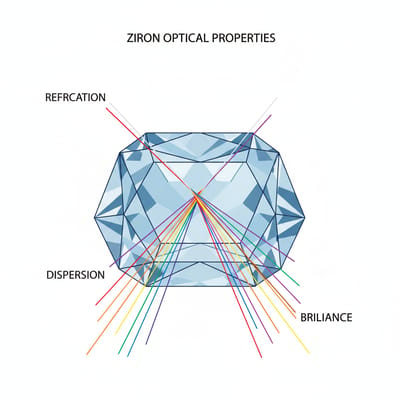
- Brilliance and Fire: Zircon possesses a high refractive index, which contributes to its excellent sparkle. It also exhibits strong dispersion, also known as fire, which separates white light into spectral colors, creating a dazzling play of rainbow hues. This fire is even stronger than that of a diamond.
- Hardness: With a Mohs hardness of 6.5 to 7.5, zircon is reasonably durable for everyday wear in jewelry, though it is softer than popular gemstones like diamonds, sapphires, and rubies. Care should be taken to avoid hard impacts.
- Color Variety: Zircon occurs naturally in a wide spectrum of colors, including colorless, blue, green, yellow, brown, orange, red, and purple. The most commercially important color is blue, often achieved through heat treatment.
- Double Refraction: Zircon is a doubly refractive gemstone. This means that light entering the stone is split into two rays, which can sometimes lead to a noticeable doubling of the facet junctions when viewed under magnification.
- Pleochroism: Many zircons exhibit pleochroism, meaning they display different colors when viewed from different angles. This can add depth and complexity to the gemstone's appearance.
Origin and History
Zircon has a long and fascinating history, with evidence of its use dating back thousands of years. The name 'zircon' is believed to be derived from the Persian word 'zargun,' meaning 'gold-colored,' or the Arabic word 'zarkun,' meaning 'vermilion.'
Historically, zircon has been found in various locations worldwide. Ancient civilizations utilized zircon for its beauty and perhaps for its perceived mystical properties. It was often mistaken for other gemstones, such as diamonds, due to its brilliance. During the medieval period, zircon was thought to bring wisdom and ward off evil.
Types / Variations
While zircon is a single mineral species, it is often categorized or referred to by its color, with some colors being more sought after than others:
- Colorless Zircon: Highly prized for its diamond-like sparkle and fire, often used as a diamond substitute.
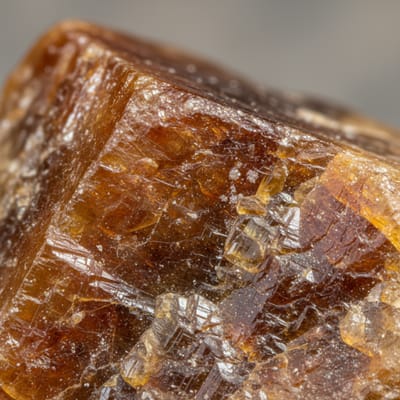
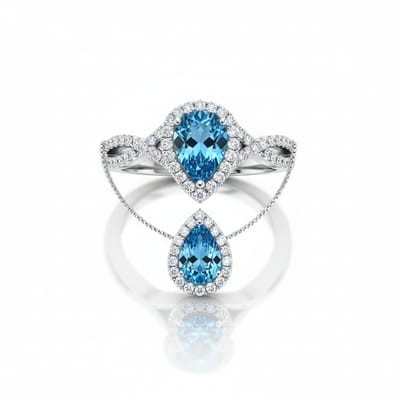
- Blue Zircon: The most popular and commercially significant variety. Natural blue zircon is rare; most commercial blue zircon is produced by heat-treating brown or colorless zircon. This process typically enhances color saturation and can improve clarity.
- Green Zircon: Rare and highly valued, green zircons can display beautiful hues ranging from olive to emerald green.
- Yellow and Golden Zircon: These warmer tones are also found naturally and are appreciated for their rich appearance.
- Red Zircon: Among the rarest and most valuable colors.
- Other Colors: Zircon also occurs in shades of brown, orange, and purple.
It is important to distinguish natural zircon from cubic zirconia (CZ). Cubic zirconia is a synthetic material (zirconium dioxide) created in a lab and is often used as an affordable diamond simulant. It lacks the complex optical properties and historical significance of natural zircon.
How It's Made
Natural zircon is a mineral that forms under a variety of geological conditions. It is typically found in igneous rocks like granite and syenite, and also in metamorphic rocks. Zircon is a remarkably stable mineral and is very resistant to weathering, which allows it to survive geological processes and be found in sedimentary rocks and alluvial deposits.
The vibrant colors of some zircons, particularly the popular blue variety, are often achieved through a process called heat treatment. In this process, rough zircon crystals are heated to high temperatures (often exceeding 1000 degrees Celsius) for extended periods. This treatment can transform less desirable colors, such as brown or yellowish hues, into brilliant blues and other attractive shades. The treatment is generally stable and permanent.
Grading & Quality Standards
Like other gemstones, zircon quality is assessed based on several factors, although a standardized universal grading system like the 4 Cs for diamonds is not as widely applied. However, key quality indicators include:
- Color: The intensity, hue, and evenness of the color are critical. For blue zircon, a vibrant, pure blue is most desirable.
- Clarity: Zircon typically has inclusions, and eye-clean stones are highly valued. However, minor inclusions that do not detract from the overall appearance are acceptable.
- Cut: A well-cut zircon maximizes its brilliance, fire, and overall beauty. Faceted cuts, such as emerald cuts, oval cuts, and round brilliant cuts, are common. The depth and proportions of the cut are important for optimal light performance.
- Carat Weight: As with most gemstones, larger sizes are rarer and thus more valuable.
Specific to zircon, the degree of metamictization is also a factor. Metamictization is a natural process where the crystal structure is damaged by radioactive elements within the stone. This can affect its physical properties, including hardness and optical characteristics. High-grade zircons are typically less metamicted.
Buying Guide
When purchasing zircon, consider the following:
- Color Preference: Decide which color best suits your taste and intended jewelry piece. Blue and colorless are popular choices for their brilliance.
- Durability: While reasonably hard, zircon is not as durable as diamond or sapphire. Consider the intended use of the jewelry. For rings worn daily, a protective setting is advisable. For earrings or pendants, the wear is generally less severe.
- Setting: A secure setting will protect the gemstone from damage. Bezel or semi-bezel settings offer good protection for the girdle and crown edges.
- Source and Treatment: Be aware that most blue zircon is heat-treated. This is a standard and acceptable practice, but disclosure is important. Reputable jewelers will inform you about any treatments.
- Authenticity: Ensure you are purchasing natural zircon and not cubic zirconia. A reputable jeweler can provide certification or verification.
- Price: Zircon offers excellent value for its brilliance and fire. Compare prices based on the quality factors discussed.
Price Range & Value Factors
Zircon offers remarkable beauty at a more accessible price point compared to many other precious gemstones. The value of zircon is influenced by:
- Color: Rare colors like red and green command higher prices. Blue zircon, due to its popularity and treatment process, is also highly valued. Colorless zircon, when exceptionally brilliant and clean, can be valuable, especially if it closely mimics diamond.
- Clarity: Eye-clean stones with minimal inclusions are more valuable.
- Cut: A precise and well-executed cut that maximizes sparkle and fire significantly enhances value.
- Carat Weight: Larger stones are generally more expensive per carat, with prices increasing exponentially for significant sizes.
- Origin: While zircon is found globally, certain origins might be known for producing stones of exceptional quality, though this is less of a primary driver than for gems like rubies or sapphires.
- Treatment: While heat treatment is standard for blue zircon, the disclosure of treatments affects perception and value. Untreated stones of desirable colors can be more valuable.
Prices can range from tens of dollars per carat for smaller, less exceptional stones to several hundred dollars per carat for fine, larger, and rarer colored specimens. Blue zircons are typically priced higher than colorless or brownish varieties.
Care and Maintenance
Proper care will ensure your zircon jewelry remains beautiful for years to come:
- Cleaning: Clean zircon jewelry gently with warm water, mild soap, and a soft brush. Rinse thoroughly and dry with a lint-free cloth. Avoid harsh chemicals, ultrasonic cleaners, and steam cleaners, as these can damage the stone or its setting.
- Protection: Due to its Mohs hardness of 6.5-7.5, zircon can be scratched or chipped. Avoid wearing zircon jewelry during strenuous activities, sports, or when exposed to harsh chemicals (like cleaning agents or perfumes).
- Storage: Store zircon jewelry separately from other pieces to prevent scratching. A soft pouch or a lined jewelry box is ideal.
- Handling: Always handle zircon jewelry with care, avoiding dropping or subjecting it to sudden impacts.
Pros and Cons
Pros:
- Exceptional Brilliance and Fire: Offers dazzling sparkle and rainbow colors, rivaling more expensive gems.
- Color Variety: Available in a wide range of natural and treated colors.
- Affordability: Provides great value for its beauty compared to other gemstones.
- Historical Significance: A gemstone with a long and interesting past.
- Good for Specific Jewelry Types: Well-suited for earrings, pendants, and fashion rings.
Cons:
- Moderate Hardness: Softer than diamonds, sapphires, and rubies, making it more susceptible to scratches and chips.
- Potential for Inclusions: Many natural zircons contain inclusions.
- Metamictization: Some zircons can be metamicted, affecting their durability and optical properties.
- Confusion with Cubic Zirconia: Often mistaken for the synthetic simulant, which can affect its market perception.
Famous Examples
While perhaps not as widely publicized as famous diamonds, some notable zircons exist. Many historical zircons were misidentified, leading to their fame under other names. Today, collectors and gem enthusiasts seek out fine specimens, particularly those in rare colors or with exceptional clarity and brilliance. The focus is often on the inherent beauty and rarity of particularly fine, well-cut natural specimens.
Common Misconceptions
The most common misconception is confusing natural zircon with cubic zirconia (CZ). While both contain zirconium, they are vastly different. Natural zircon is a mineral, a gemstone with geological origins and unique properties. Cubic zirconia is a synthetic material created in a laboratory solely to imitate diamond, lacking the depth, history, and unique optical characteristics of natural zircon.
Another misconception is that zircon is a cheap or low-quality gemstone. While lower-quality zircons are inexpensive, fine specimens, especially in rare colors like red or green, can be quite valuable and are highly prized by collectors.
Related Terms
- Cubic Zirconia (CZ)
- Zirconium Silicate
- Nesosilicates
- Refractive Index
- Dispersion (Fire)
- Mohs Hardness Scale
- Metamictization
- Heat Treatment
- Pleochroism
- Double Refraction
FAQs
What is zircon?
Zircon is a natural gemstone made of zirconium silicate (ZrSiO4). It is known for its brilliance, fire, and wide range of colors.
Is zircon a real gemstone?
Yes, zircon is a real, naturally occurring gemstone with a long history of use in jewelry.
Is zircon valuable?
The value of zircon varies greatly depending on its color, clarity, cut, and carat weight. Fine, rare colored zircons can be quite valuable.
Is zircon durable enough for everyday wear?
Zircon has a Mohs hardness of 6.5 to 7.5, making it reasonably durable but softer than diamonds or sapphires. It requires careful wear and protective settings for daily use, especially in rings.
What is the difference between zircon and cubic zirconia?
Zircon is a natural gemstone. Cubic zirconia (CZ) is a synthetic material created in a lab as a diamond simulant. They are chemically and physically different.
What is the most popular color of zircon?
Blue zircon is the most commercially popular color, though it is typically achieved through heat treatment of brown or colorless zircon.
How should I care for my zircon jewelry?
Clean zircon jewelry with mild soap, warm water, and a soft brush. Avoid harsh chemicals, ultrasonic cleaners, and sudden impacts.