Topaz: A Gemstone of Warmth and Brilliance
Topaz is a highly prized gemstone celebrated for its remarkable clarity, broad spectrum of colors, and impressive durability. Found in a stunning array of hues, from the most vibrant yellows and oranges to serene blues and delicate pinks, topaz has adorned jewelry for centuries. Its name, believed to be derived from the ancient Sanskrit word 'tapas' meaning 'fire' or 'warmth,' perfectly captures the gem s radiant glow and its association with positive energy.
Key Features
Topaz is a silicate mineral composed of aluminum and fluorine. Its chemical formula is Al2(SiO4)(F,OH)2. The presence and interaction of trace elements and the mineral structure dictate its color.
- Hardness: Topaz ranks 8 on the Mohs scale of hardness, making it a relatively hard and durable gemstone suitable for everyday wear in rings, pendants, earrings, and bracelets.
- Clarity: High-quality topaz is often exceptionally clear, with few or no visible inclusions. This contributes to its brilliance and sparkle.
- Luster: When cut and polished, topaz exhibits a vitreous (glass-like) to vitreous-adamantine luster, enhancing its attractiveness.
- Specific Gravity: Its specific gravity is around 3.4-3.6, meaning it is moderately dense.
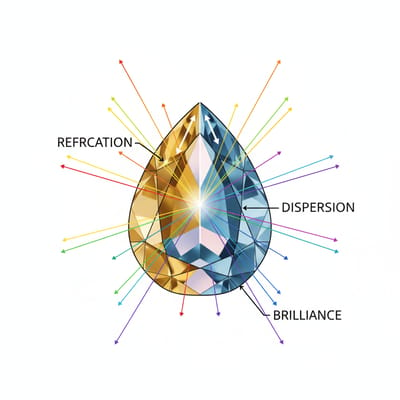
- Refractive Index: Topaz has a refractive index ranging from 1.609 to 1.643, contributing to its fire and brilliance.
- Color: Topaz occurs naturally in a wide range of colors, including colorless, yellow, orange, brown, pink, red, violet, blue, and green. However, some of the most vibrant and sought-after colors, like Imperial topaz (a rich orange-pink) and certain deep blues, are relatively rare in nature. Many commercially available blue topaz stones are treated.
Origin and History
Topaz has a long and rich history, with its origins tracing back to ancient civilizations. The ancient Greeks believed topaz could grant strength and charm, and ward off evil. The Romans associated it with Jupiter, king of the gods, believing it offered protection. Throughout the Middle Ages, it was thought to have the power to improve eyesight and even break enchantments.
Historically, significant deposits of topaz were found on the island of Topazos in the Red Sea, from which the gemstone is believed to have derived its name. This island, now known as St. John's Island, has been a source of the gem for millennia. Brazil has also been a major producer of topaz for centuries, yielding some of the finest specimens, including the historically significant 'American Golden' topaz.
Types / Variations
Topaz is known for its diverse color palette. While some colors are natural, others are achieved through treatments that enhance or induce color.
- Precious Topaz: This term typically refers to topaz in shades of yellow, orange, and pink. 'Imperial Topaz' is a particularly coveted variety, characterized by its warm reddish-orange to pinkish-orange hue.
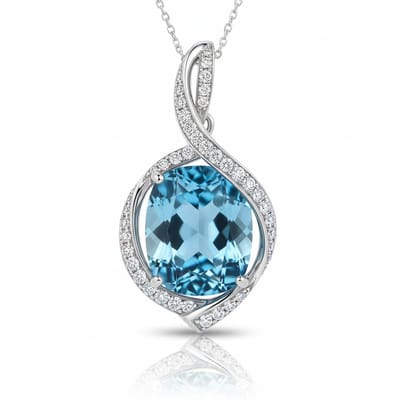
- Blue Topaz: Natural blue topaz is rare. Most blue topaz on the market has been heat-treated and irradiated to achieve its vivid blue color. Common treatments include Sky Blue, Swiss Blue, and London Blue, each denoting a different intensity and shade of blue.
- Colorless Topaz: Also known as 'white topaz,' this variety is often used as a diamond simulant due to its sparkle and clarity.
- Sherry Topaz: This refers to topaz with a warm brown to yellowish-brown color.
How It's Made
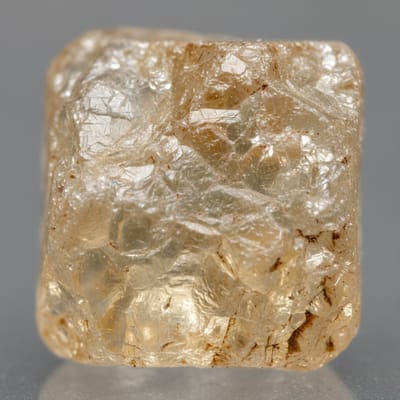
Topaz is a naturally occurring mineral formed through geological processes deep within the Earth's crust. It typically forms in igneous rocks, such as granite and rhyolite, and in certain metamorphic rocks. It can also be found in alluvial deposits where erosion has carried the crystals from their original source.
Gemstone Treatments: As mentioned, many topaz gemstones, particularly blue topaz, undergo treatments to improve their color and appeal. These treatments are widely accepted in the jewelry industry and are typically disclosed to consumers.
- Heat Treatment: This process is used to alter or enhance the color of topaz. For example, pale or colorless topaz can be heated to produce yellow or orange tones.
- Irradiation: This technique is commonly used to create the various shades of blue in topaz. The gemstone is exposed to radiation, which alters its atomic structure and produces color. This is followed by heating. These treatments are permanent and stable.
Grading & Quality Standards
Like other gemstones, topaz quality is assessed based on the traditional 4 Cs: Color, Clarity, Cut, and Carat Weight. However, for topaz, clarity and color are often the most significant factors.
- Color: The most valuable colors are rich, well-saturated hues. For precious topaz, this means vibrant oranges, pinks, and reds. For blue topaz, the intensity and evenness of the blue hue are important.
- Clarity: Topaz is typically a very clean gemstone. Eye-clean (no visible inclusions to the naked eye) is common and highly desirable. Gemstones with significant inclusions may be less brilliant and less durable.
- Cut: The cut significantly impacts a gemstone's brilliance and sparkle. Well-cut topaz will maximize light reflection, showcasing its natural beauty. Common cuts include oval, pear, emerald, round, and marquise.
- Carat Weight: Topaz is available in a wide range of sizes, from small melee stones to large, impressive specimens. Larger stones are generally more valuable, provided they maintain good color and clarity.
Buying Guide
When purchasing topaz jewelry, consider the following:
- Color: Decide on the color that appeals to you. Be aware of whether the color is natural or treated. While treated topaz is beautiful and affordable, natural colors can command higher prices.
- Clarity: Look for stones that appear clear to the naked eye. Minor inclusions that do not affect the stone s appearance or durability are acceptable, especially in larger stones.
- Setting: Due to its good hardness, topaz is suitable for most jewelry settings. However, protective settings, like bezel settings, are recommended for rings to minimize the risk of chipping or scratching.
- Certification: For valuable natural topaz, especially Imperial topaz, ask for a certificate of authenticity from a reputable gemological laboratory.
- Price: Topaz offers excellent value for money, especially treated blue topaz and clear colorless topaz. Natural colored topaz, particularly Imperial topaz, will be more expensive.
- Treatment Disclosure: Reputable jewelers will disclose any treatments applied to the gemstone. Ensure this information is provided.
Price Range & Value Factors
Topaz is generally an affordable gemstone, making it accessible for various jewelry budgets. However, prices can vary significantly based on several factors:
- Color: Natural, vivid colors like Imperial topaz are the most valuable. Treated blue topaz is typically the most affordable, with prices increasing with the intensity of the blue (e.g., London Blue is often pricier than Sky Blue). Colorless topaz is also relatively inexpensive.
- Carat Weight: Larger stones naturally cost more, but the price per carat does not increase as dramatically as with some other gemstones.
- Clarity: Eye-clean stones command higher prices than those with visible inclusions.
- Cut: A precise and well-executed cut that maximizes brilliance adds value.
- Origin: While Brazil is a significant source, specific origins are not usually a primary value driver for topaz unless it's a historically significant find.
- Treatments: Natural colored topaz is generally more valuable than treated topaz of the same color.
For most topaz, especially treated blue varieties, prices per carat can range from under $10 to $50 or more for exceptional quality and larger sizes. Natural precious topaz, particularly Imperial topaz, can range from $100 to $1000+ per carat depending on its rarity, color saturation, and clarity.
Care and Maintenance
Topaz is relatively durable, but proper care will ensure its longevity and beauty:
- Cleaning: Clean topaz jewelry with warm water, mild soap, and a soft brush. Rinse thoroughly and dry with a lint-free cloth. Avoid harsh chemicals, ultrasonic cleaners, and steam cleaners, as these can potentially damage the stone or loosen its setting.
- Storage: Store topaz jewelry separately from other gemstones and jewelry to prevent scratching. A soft pouch or a lined jewelry box is ideal.
- Avoid Impact: While hard, topaz can chip or fracture if subjected to sharp blows or impacts. Be mindful of this during physical activities.
- Avoid Sudden Temperature Changes: Extreme temperature fluctuations can potentially cause stress to the gemstone.
Pros and Cons
Pros:
- Affordability: Topaz offers excellent value, especially treated blue topaz.
- Durability: Its hardness (8 on Mohs scale) makes it suitable for daily wear.
- Variety of Colors: Available in a wide spectrum of natural and treated colors.
- Brilliance and Clarity: High-quality topaz is often very clear and sparkles beautifully.
- Versatility: Its range of colors and affordability make it suitable for various jewelry styles and budgets.
Cons:
- Susceptibility to Chipping: Although hard, it can be chipped or fractured with strong impacts.
- Treatment Disclosure: Consumers should be aware that most blue topaz is treated, and natural colors can be expensive.
- Pleochroism: Some topaz, especially natural colored varieties, can exhibit pleochroism (appearing to have different colors when viewed from different angles), which can be a factor in cutting and appearance.
Famous Examples
While not always as widely publicized as diamonds or sapphires, some topaz specimens have gained recognition:
- The American Golden Topaz: A massive golden yellow topaz discovered in Brazil, weighing over 22,000 carats. It was cut into a superb broad-cushion shape and is one of the largest faceted topaz gemstones in the world.
- The Blue Giant of the Idar-Oberstein: A large, exceptional blue topaz that became famous in Germany's gem-cutting center.
Common Misconceptions
- All blue topaz is treated: While most commercially available blue topaz is treated, natural blue topaz does exist, though it is rare and typically less vibrant than treated stones.
- Topaz is brittle: Compared to softer gemstones, topaz is quite hard. However, like many gemstones, it can be susceptible to chipping if subjected to hard impacts.
- Topaz is a diamond simulant: Colorless topaz can resemble a diamond due to its clarity and sparkle, but it is a distinct gemstone with different properties and value. It is often used as a more affordable alternative.
Related Terms
- Silicate Mineral
- Mohs Hardness Scale
- Imperial Topaz
- Precious Topaz
- Blue Topaz (Sky, Swiss, London)
- Colorless Topaz (White Topaz)
- Gemstone Treatments (Heat Treatment, Irradiation)
- Inclusions
- Vitreous Luster
FAQs
Is topaz a valuable gemstone?
Topaz can range in value. Natural, richly colored topaz like Imperial topaz is quite valuable. However, treated blue topaz and colorless topaz are generally affordable and offer great value for their beauty and durability.
Is blue topaz natural?
Natural blue topaz is very rare. The vast majority of blue topaz found in jewelry today has been treated (heated and irradiated) to achieve its color. These treatments are stable and permanent.
Can topaz be worn every day?
Yes, topaz is a durable gemstone with a Mohs hardness of 8, making it suitable for everyday wear. However, it is advisable to protect it from hard knocks and impacts, especially when worn in rings.
What is the most valuable color of topaz?
The most valuable natural colors of topaz are considered to be the rich orange to pink-orange hues known as 'Imperial Topaz.' Deep red and vibrant pink topaz are also highly sought after and rare.
How do I clean my topaz jewelry?
Clean topaz jewelry gently with warm, soapy water and a soft brush. Rinse thoroughly and dry with a soft cloth. Avoid harsh chemicals and ultrasonic cleaners.