Spinel: A Gemstone of Brilliance and History
Spinel is a captivating gemstone that has long been admired for its vibrant colors, excellent clarity, and remarkable durability. Often mistaken for other more famous gems, especially ruby and sapphire, spinel has a rich history and a growing appreciation among jewelry connoisseurs. This article delves into the world of spinel, exploring its key features, origins, variations, and what buyers should know when considering this exquisite gem for their next piece of fine jewelry.
Key Features
Spinel is an oxydized mineral with the chemical composition magnesium aluminum oxide (MgAl2O4). Its properties make it an excellent choice for jewelry:
- Hardness: Spinel ranks 8 on the Mohs scale of hardness, making it very durable and suitable for everyday wear. It is harder than most common gemstones, though not as hard as diamond, sapphire, or ruby.
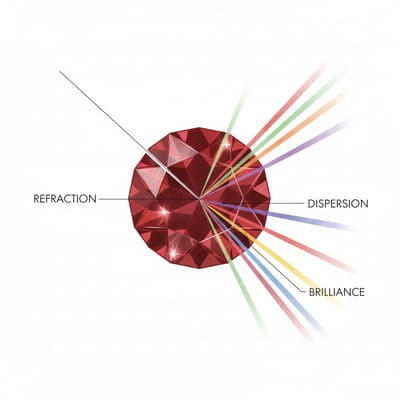
- Brilliance and Fire: Spinel possesses a high refractive index, which gives it excellent brilliance and sparkle. It also exhibits a degree of fire, scattering light into spectral colors, though generally less than diamond.
- Color Range: Spinel is available in an impressive spectrum of colors, including vibrant reds, vivid pinks, deep blues, purples, oranges, yellows, and even black. The most sought-after colors are intense reds, similar to rubies, and vibrant pinks. Colorless and gray spinels also exist.
- Clarity: High-quality spinels are often exceptionally clean, with few visible inclusions. This contributes to their overall beauty and value.
- Chemical Stability: Spinel is chemically inert and resistant to most acids, which enhances its longevity in jewelry.
Origin and History
Spinel has a fascinating, albeit sometimes confusing, history due to its resemblance to ruby. For centuries, many famous red gemstones, now known to be spinel, were believed to be rubies. This confusion is evident in historical records and in some of the world's most famous royal jewels.
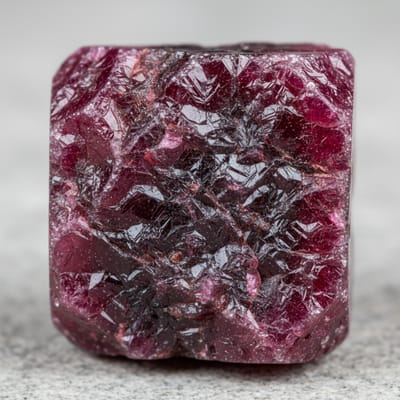
The name 'spinel' is thought to derive from the Latin word 'spina', meaning thorn, possibly referring to its crystal shape. Large, important red spinels have adorned crowns and scepters for centuries, often being passed down through royal families without their true identity being known.
Notable historical sources of spinel include mines in Tajikistan, Myanmar (Burma), Sri Lanka, and Vietnam. The discovery of significant spinel deposits in regions like Mogok, Myanmar, has yielded some of the finest and largest specimens.
Types / Variations
Spinel occurs in a wide array of colors, each with its own charm and desirability. Some of the most notable variations include:
- Red Spinel: Often mistaken for ruby, red spinel can range from a bright scarlet to a deep crimson. The most prized red spinels are those with a pure, vivid red hue, comparable to fine Burmese rubies.
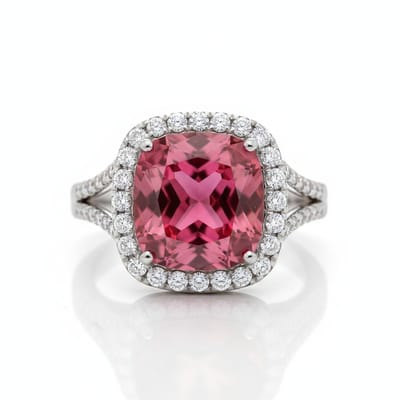
- Pink Spinel: Available in delicate pastel shades to intense, vibrant fuchsias, pink spinel is highly desirable, especially for those seeking a softer alternative to red.
- Blue Spinel: Ranging from pale sky blue to a rich cobalt blue, blue spinel offers a beautiful alternative to sapphire.
- Orange Spinel: This rare and beautiful color can range from peachy orange to a fiery reddish-orange, often referred to as 'flame spinel'.
- Purple Spinel: From light lilac to deep violet, purple spinel offers a regal and enchanting hue.
- Black Spinel: While not as common in fine jewelry as colored varieties, black spinel is popular for its metallic luster and durability, often used in contemporary designs.
- Colorless Spinel: Once used as a diamond simulant, colorless spinel is now appreciated for its own merits, offering exceptional clarity and sparkle.
The color of spinel is typically caused by trace amounts of metallic elements in its chemical structure. For example, red and pink colors are often due to chromium, while blue hues can be attributed to iron and cobalt.
How It's Made
Spinel is a naturally occurring mineral formed under high temperature and pressure conditions deep within the Earth's crust. It is typically found in metamorphic rocks like marble and in alluvial deposits derived from these rocks.
The mining process involves extracting the rough spinel crystals from the earth. Once mined, the rough stones are carefully selected for their color, clarity, and potential for faceting. Lapidaries then cut and polish the stones to maximize their beauty, bringing out their inherent brilliance and color.
Grading & Quality Standards
Like other precious gemstones, the quality and value of spinel are assessed based on several factors, often summarized by the '4 Cs' (though not as rigidly applied as for diamonds):
- Color: This is the most crucial factor for spinel. The most valuable colors are vibrant, saturated reds, pinks, and blues. Purity of color and lack of undesirable secondary hues are paramount.
- Clarity: Spinel is known for its good clarity. Eye-clean stones (no visible inclusions to the naked eye) are highly desirable and command higher prices. Minor, non-visible inclusions are acceptable, especially in larger stones.
- Cut: A well-cut spinel will maximize its brilliance, scintillation, and color. The cut should be proportionate and symmetrical, allowing light to reflect evenly from the facets. Common cuts include oval, round, pear, and emerald cuts.
- Carat Weight: Larger spinels, especially in desirable colors, are rarer and therefore more valuable per carat. However, the quality of color and clarity often takes precedence over size.
Beyond these, the origin of the spinel can also influence its value, with certain localities (like Mogok) being associated with exceptional quality.
Buying Guide
When purchasing spinel, consider the following:
- Color Preference: Decide which color of spinel appeals to you most. Red and pink spinels are often the most expensive due to their rarity and historical association with rubies.
- Source: While many origins produce good spinel, some are renowned for exceptional quality. If provenance is important, inquire about the origin.
- Clarity: Look for stones that appear clean to the naked eye. Minor inclusions that do not detract from the gem's beauty are acceptable.
- Cut: A well-cut stone will sparkle and display its color beautifully. Examine the symmetry and proportion of the facets.
- Certification: For significant purchases, consider obtaining a gemological report from a reputable laboratory, which will verify the stone's identity, color, and quality.
- Setting: Due to its durability, spinel is suitable for all types of jewelry, including rings, earrings, necklaces, and bracelets. Consider the metal type that best complements the spinel's color. Platinum or white gold works well for lighter colors, while yellow or rose gold can enhance warmer tones.
Price Range & Value Factors
Spinel prices vary widely depending on color, size, quality, and origin. Generally, spinel is more affordable than comparable quality rubies or sapphires, making it an excellent value for a durable, beautiful gemstone.
- Color: As mentioned, vivid reds, blues, and pinks command the highest prices. Orange and purple spinels are also valuable. Colorless and black spinels are typically more affordable.
- Size: Larger spinels (over 5 carats) in good colors are significantly rarer and thus more expensive per carat.
- Clarity and Cut: Exceptional clarity and a precision cut enhance the stone's beauty and value.
- Origin: Spinels from historically significant locations like Mogok can fetch higher prices.
- Treatments: Most spinels are not treated. Untreated spinels are more valuable than those that have undergone any form of enhancement, though such treatments are rare for spinel.
While prices can range from under $100 per carat for smaller or less vibrant stones to several thousand dollars per carat for exceptional, large red or blue specimens, spinel offers a compelling option for those seeking a unique and high-quality gemstone without the premium price tag of ruby or sapphire.
Care and Maintenance
Spinel is a durable gemstone, but like all fine jewelry, it requires proper care to maintain its beauty:
- Cleaning: Clean spinel jewelry with a soft brush, warm water, and mild soap. Rinse thoroughly and dry with a soft, lint-free cloth. Avoid ultrasonic cleaners and harsh chemicals, as they can damage the stone or its setting.
- Storage: Store spinel jewelry separately from other gemstones and jewelry to prevent scratching. Keep it in a soft pouch or a lined jewelry box.
- Protection: While durable, avoid exposing spinel to sudden temperature changes or hard impacts that could cause chipping or cracking, especially around the girdle or corners of the stone.
- Exposure: Limit exposure to cosmetics, hairsprays, and perfumes, as residues can dull the gemstone's luster over time.
Pros and Cons
Pros:
- Excellent durability and hardness (8 on Mohs scale).
- Wide range of beautiful, vibrant colors.
- Often found with high clarity and few inclusions.
- Good brilliance and sparkle.
- Generally more affordable than ruby or sapphire.
- Typically untreated, making it a natural and desirable choice.
Cons:
- Less known than ruby or sapphire, meaning lower demand and recognition for some consumers.
- Historical confusion with ruby can lead to misidentification and value perception issues.
- The rarest and most desirable colors (like vivid red) can still be expensive.
Famous Examples
Spinel has graced the collections of royalty and collectors for centuries, often unrecognized.
- The Black Prince's Ruby: This famous large, irregular red stone set in the Imperial State Crown of Great Britain is actually a magnificent red spinel, not a ruby. It has been in the English Crown Jewels since the 14th century.
- Samarian Spinel: A large, pale pink, cushion-cut spinel weighing over 50 carats, it is one of the largest cut spinels in the world and is part of a private collection.
- Bahia Spinel: Discovered in Brazil, this collection includes several large, exceptionally clean, and vibrantly colored spinels, highlighting the potential for significant finds outside traditional sources.
Common Misconceptions
The most common misconception about spinel is its identity. For centuries, many stones now identified as spinel were believed to be rubies. This has led to:
- Underestimation of Value: Because it was often confused with ruby, spinel was historically undervalued. While prices have risen with increased recognition, it still offers better value than ruby for similar appearance.
- Lack of Awareness: Many consumers are less familiar with spinel than with more well-known gemstones like diamonds, sapphires, or emeralds, leading to it being overlooked.
- Imitations: While spinel itself can be confused with other gems, high-quality spinel is a natural gemstone and not an imitation. However, some cheaper materials might be sold as spinel, so reputable sources are important.
Related Terms
- Ruby
- Sapphire
- Corundum
- Gemstone
- Mohs Hardness Scale
- Refractive Index
- Inclusions
- Faceting
- Alluvial Deposits
- Metamorphic Rock
FAQs
Is spinel a real gemstone?
Yes, spinel is a real, naturally occurring mineral and a precious gemstone. Its chemical composition is magnesium aluminum oxide (MgAl2O4).
Is spinel as valuable as ruby or sapphire?
Generally, no. While top-quality, large spinels in rare colors can be very valuable, they typically command lower prices than comparable quality rubies or sapphires. However, spinel offers excellent value for its beauty and durability.
Is spinel durable enough for an engagement ring?
Absolutely. With a hardness of 8 on the Mohs scale, spinel is very durable and well-suited for everyday wear, including engagement rings.
What colors does spinel come in?
Spinel comes in a wide spectrum of colors, including red, pink, blue, purple, orange, yellow, brown, gray, and black. Colorless spinel also exists.
Are spinels treated?
Most spinels are naturally colored and rarely treated. Untreated spinels are highly preferred and generally more valuable.
How do I clean my spinel jewelry?
Clean spinel jewelry with warm water, mild soap, and a soft brush. Rinse well and dry with a soft cloth. Avoid harsh chemicals and ultrasonic cleaners.
Why was spinel historically mistaken for ruby?
Spinel and ruby share similar physical properties and are often found in the same geological environments. The most important factor is their similar, often brilliant red color, which historically led to confusion before modern gemological testing was available.