Sapphire: The Celestial Gemstone of Royalty and Wisdom
Sapphire, a gemstone steeped in history and revered for its celestial blue hues, is one of the most coveted gems in fine jewelry. Often associated with royalty, divinity, and truth, sapphire has graced the crowns of kings and queens, adorned sacred objects, and symbolized enduring love for centuries. Its exceptional hardness, brilliant luster, and range of captivating colors make it a perennial favorite among jewelry designers and collectors.
Definition
Sapphire is a precious gemstone, a variety of the mineral corundum (aluminum oxide). While most famously known for its deep blue color, sapphire can actually occur in a remarkable spectrum of colors, with the exception of red, which is classified as ruby. These other colors are often referred to as 'fancy sapphires'. The intense blue color in traditional sapphires is primarily caused by trace amounts of iron and titanium within the corundum crystal structure.
Key Features
- Hardness: With a Mohs hardness of 9, sapphire is the second hardest natural mineral after diamond. This exceptional durability makes it ideal for everyday wear, resisting scratches and abrasions effectively.
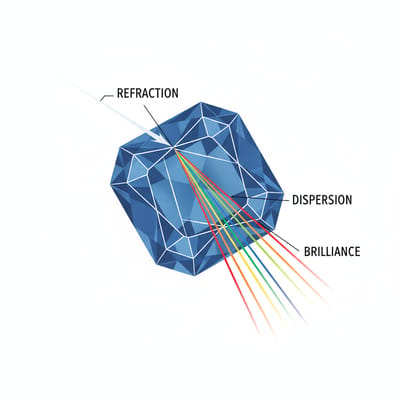
- Luster: Sapphires exhibit a vitreous (glass-like) luster, which contributes to their brilliance and sparkle when cut and polished.
- Color: The most prized color is a vivid, medium-to-dark blue, often referred to as 'royal blue' or 'cornflower blue'. However, sapphires come in pink, yellow, orange, purple, green, and colorless varieties, as well as the rare and highly sought-after 'padparadscha' sapphire, a delicate pink-orange hue.
- Clarity: Like most gemstones, sapphires can have internal characteristics called inclusions. High-quality sapphires have minimal inclusions that do not detract from their beauty or durability.
- Cut: The cut of a sapphire significantly impacts its brilliance and color. Oval, round, pear, cushion, and emerald cuts are common, with the precision of the cut determining how well the stone reflects light.
Origin and History
Sapphires have been mined and treasured for thousands of years. Ancient Persians believed the earth rested on a giant sapphire, and its sky-reflecting hue colored the heavens. Ancient Greeks associated sapphires with Apollo, the god of prophecy, and wore them to seek guidance from the oracle. Throughout the Middle Ages, sapphires were believed to bring protection, good fortune, and spiritual enlightenment. They were often worn by clergy and royalty. Historically significant sources include Kashmir, Sri Lanka (Ceylon), Myanmar (Burma), and Madagascar. The legendary Kashmir sapphires, known for their velvety blue color and high clarity, are exceptionally rare and command premium prices.
Types / Variations
While blue sapphire is the most recognized, sapphires exist in a rainbow of colors:
- Blue Sapphire: The classic choice, ranging from light to deep, intense blues.
- Fancy Sapphires: This encompasses all non-blue colors: pink, yellow, orange, purple, green, brown, and colorless. Each color has its own unique appeal and market.
- Padparadscha Sapphire: A rare and exotic gem, named after the Sinhalese word for 'lotus color'. It exhibits a delicate blend of pink and orange, often with a hint of yellow. Its rarity and beauty make it one of the most valuable sapphires.
- Star Sapphire: These sapphires display a phenomenon called asterism, where a band of light, known as a 'ray', appears to move across the surface of the cabochon-cut stone when light strikes it. The most common star color is blue, but star sapphires can occur in other colors.
How It's Made
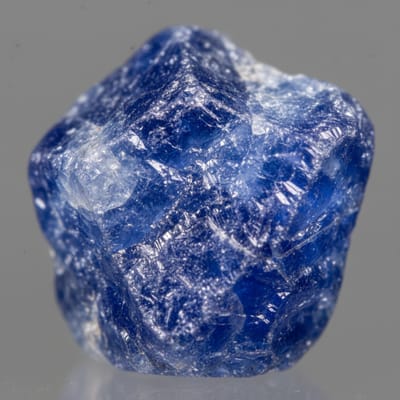
Natural sapphires are formed deep within the earth under conditions of high temperature and pressure over millions of years. They are found in metamorphic rocks and alluvial deposits. The mining process involves carefully extracting these gems from the earth, followed by meticulous cleaning, cutting, and polishing by skilled lapidaries to reveal their full beauty.
Grading & Quality Standards
The quality of a sapphire is assessed using criteria similar to diamonds, but with a greater emphasis on color. For blue sapphires, the key factors are:
- Color: The most important factor. A vivid, well-saturated blue with good tone and without visible secondary hues is most desirable.
- Clarity: Inclusions are common in sapphires, and those with eye-clean clarity (inclusions not visible to the naked eye) are more valuable. Minor inclusions that don't affect durability are acceptable.
- Cut: A well-cut sapphire maximizes its brilliance, color saturation, and minimizes distracting windowing (areas where light passes through without reflection).
- Carat Weight: Larger sapphires are rarer and thus more valuable, especially in high-quality grades.
For fancy sapphires and padparadscha, the intensity and uniqueness of their specific hue are paramount.
Buying Guide
When purchasing a sapphire, consider the following:
- Color: Decide on the shade of blue or if you prefer a fancy sapphire. The intensity and saturation are key.
- Clarity: Look for stones that appear clean to the naked eye. Minor inclusions are acceptable if they don't compromise the stone's beauty.
- Cut: A good cut will make the sapphire appear more brilliant and colorful. Examine the stone from different angles.
- Carat Weight: Determine your budget and desired size. Remember that larger, high-quality sapphires command higher prices per carat.
- Treatment: Most sapphires on the market are heat-treated to enhance their color and clarity. This is a common and accepted practice. Be aware of other potential treatments and ask your jeweler for disclosure.
- Origin: While origin can influence value (e.g., Kashmir sapphires), focus primarily on the gem's beauty and quality.
- Certification: Purchase from reputable jewelers and ask for a gemological laboratory report (e.g., GIA, AGS) for significant purchases, especially for high-quality blue or fancy sapphires.
Price Range & Value Factors
Sapphire prices vary widely depending on their quality, size, color, clarity, cut, and whether they are natural or treated. Blue sapphires are generally priced per carat. High-quality, vivid blue sapphires from sources like Kashmir can fetch prices comparable to high-quality diamonds. Fancy sapphires and padparadscha sapphires can also be very valuable due to their rarity and unique colors. Heat treatment is a standard practice that significantly affects price, with unheated sapphires being much rarer and more expensive. Star sapphires are typically priced based on the distinctiveness of their star and the body color.
Care and Maintenance
Sapphires are durable but still require proper care to maintain their brilliance:
- Cleaning: Clean your sapphire jewelry regularly using warm water, mild soap, and a soft brush. Rinse thoroughly and dry with a soft, lint-free cloth.
- Avoid Harsh Chemicals: Do not expose sapphires to harsh household chemicals, chlorine, or abrasive cleaners, as these can damage the stone or the setting.
- Storage: Store sapphire jewelry separately from other pieces to prevent scratching. Use a soft pouch or a lined jewelry box.
- Ultrasonic Cleaners: Use ultrasonic cleaners with caution. While often safe for sapphires, some inclusions or treatments can be sensitive to the vibrations. It's best to consult your jeweler.
- Professional Inspection: Have your jewelry professionally inspected and cleaned periodically by a jeweler to ensure settings are secure.
Pros and Cons
Pros:
- Exceptional Durability: Its hardness makes it suitable for engagement rings and daily wear.
- Beautiful Colors: Offers a wide range of attractive colors, especially the coveted blue.
- Symbolism: Associated with loyalty, faithfulness, wisdom, and nobility.
- Value Retention: High-quality sapphires tend to hold their value well.
- Variety: Available in a spectrum of colors and phenomena like star effects.
Cons:
- Cost: High-quality, large, and untreated sapphires can be very expensive.
- Inclusions: Many sapphires have visible inclusions, which can affect their appearance and value.
- Treatments: Most sapphires on the market are treated, which can be a concern for some buyers.
- Rarity: Exceptional quality stones, especially unheated and specific colors like padparadscha, are rare.
Famous Examples
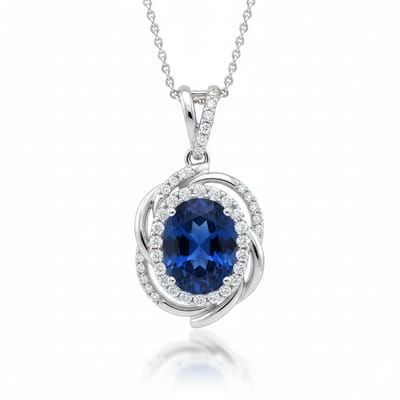
- The Engagement Ring of Princess Diana (now worn by Kate Middleton): A magnificent 12-carat oval blue sapphire, surrounded by diamonds, set in 18-karat white gold. It is one of the most famous sapphire engagement rings in the world.
- The Star of Adam: Discovered in Sri Lanka, this is one of the largest blue star sapphires ever found, weighing over 1,400 carats.
- The Blue Belle of Asia: A renowned 392.52-carat Ceylon sapphire, celebrated for its exceptional color and clarity, which achieved a record auction price for a sapphire.
- The Rockefeller Sapphire: A 18.02-carat cushion-cut sapphire from Kashmir, known for its vivid blue color and excellent clarity, sold for a significant sum at auction.
Common Misconceptions
- All Sapphires are Blue: While blue is the most popular, sapphires come in almost every color of the rainbow. Red corundum is ruby; all other colors are sapphire.
- Sapphires are Always Expensive: While fine quality sapphires can be costly, sapphires in smaller sizes or lower grades are more affordable and offer excellent value for their beauty and durability.
- All Sapphires are Natural: The vast majority of sapphires on the market have undergone heat treatment to improve their color and clarity. This is an acceptable and common practice, but unheated sapphires are rare and command a higher price.
Related Terms
- Corundum
- Ruby
- Fancy Sapphire
- Padparadscha Sapphire
- Star Sapphire
- Asterism
- Heat Treatment
- Lapidary
- Mohs Scale
- Inclusions
FAQs
What is the most valuable color of sapphire?
The most valuable color is typically a vivid, pure blue, often referred to as 'royal blue' or 'cornflower blue', especially from classic origins like Kashmir. However, the extremely rare and beautiful padparadscha sapphire (a delicate pink-orange hue) can also command very high prices due to its scarcity.
Are sapphires good for engagement rings?
Yes, sapphires are excellent choices for engagement rings. Their remarkable hardness (9 on the Mohs scale) makes them highly resistant to scratching and everyday wear, second only to diamonds. Their stunning colors also offer a beautiful and personal alternative to traditional diamonds.
What is the difference between sapphire and ruby?
Both sapphire and ruby are varieties of the mineral corundum (aluminum oxide). The primary difference is color: rubies are red, while all other colors of corundum are classified as sapphires. Chemically, the color difference is due to different trace elements; chromium causes red in ruby, while iron and titanium cause blue in sapphire.
Are heat-treated sapphires bad?
Heat treatment is a standard and widely accepted industry practice used to enhance the color and clarity of most sapphires. It is a permanent enhancement and does not make the stone fragile. While unheated sapphires are rarer and more valuable, heat-treated sapphires offer beautiful color and durability at a more accessible price point. Full disclosure of treatments is important.
How can I tell if a sapphire is real?
Distinguishing a real sapphire from a fake requires expertise. Look for identifying characteristics like hardness (it should scratch glass), specific gravity, refractive index, and internal inclusions visible under magnification. It is always best to purchase from a reputable jeweler who can provide certification from a recognized gemological laboratory (like GIA) for valuable stones.