Ruby: The King of Gems in Fine Jewelry
Ruby, a gemstone revered for its fiery red hues and exceptional durability, has long held a place of prestige in the world of fine jewelry. As one of the most coveted colored gemstones, ruby is synonymous with passion, power, and protection. Its rich history and captivating beauty make it a timeless choice for engagement rings, statement necklaces, and heirloom pieces.
Definition
Ruby is the red variety of the mineral corundum (aluminum oxide). Its vibrant red color is caused by the presence of chromium impurities within the crystal structure. When corundum is not red, it is classified as sapphire, which can be found in a spectrum of colors, including blue, yellow, pink, and green. Therefore, any red corundum is a ruby, and any other color of corundum is a sapphire.
Key Features
Several key features contribute to ruby s allure and value in the jewelry market:
- Color: The most critical factor in a ruby s value is its color. The most desirable hue is a pure, vibrant red, often described as pigeon blood red, characterized by a slight purplish or bluish undertone. Color intensity, saturation, and hue all play a role.
- Clarity: Like diamonds, rubies are graded for clarity. Most rubies contain natural inclusions, which are mineral fingerprints left during their formation. Eye-clean rubies, meaning those without visible inclusions to the naked eye, are rarer and more valuable.
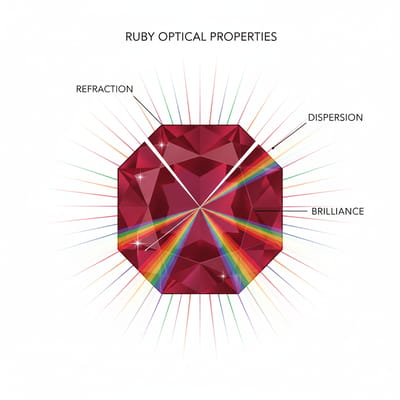
- Cut: A well-cut ruby maximizes its color brilliance and fire. Gem cutters aim to optimize the stone s proportions to reflect light internally, creating a dazzling appearance. Oval and round shapes are common, but emerald, pear, and cushion cuts are also popular.
- Carat Weight: The price of rubies increases significantly with size. Larger, high-quality rubies are exceedingly rare, making them highly sought after.
- Durability: With a hardness of 9 on the Mohs scale, ruby is the second hardest natural gemstone after diamond. This exceptional durability makes it ideal for everyday wear in rings, bracelets, and pendants, resisting scratches and abrasions.
- Luster: Rubies exhibit an adamantine to vitreous (glass-like) luster, adding to their brilliance and appeal when cut and polished.
Origin and History
Rubies have been cherished for thousands of years, with ancient cultures associating them with vitality and divine power. Historical sources include:
- Burma (Myanmar): Historically, Burma has been the most famous source of rubies, particularly the legendary pigeon blood red variety. While production has fluctuated, Burmese rubies remain highly prized.
- Sri Lanka: This island nation has a long history of producing fine rubies, often characterized by a slightly lighter, more transparent hue compared to Burmese stones.
- Thailand: Thai rubies are often noted for their deep, rich red color, sometimes with a brownish undertone.
- Mozambique: In recent years, Mozambique has emerged as a significant source of high-quality rubies, offering vibrant colors and good clarity.
- Other sources: Madagascar, Vietnam, India, and Kenya also produce rubies, though typically in smaller quantities or with less desirable characteristics.
Throughout history, rubies have adorned the crowns, scepters, and jewelry of royalty and nobility. They were believed to bestow good health, wealth, and wisdom upon their wearers. Ancient Sanskrit texts refer to ruby as the 'ratnaraj,' meaning 'king of precious stones,' highlighting its esteemed status.
Types / Variations
While all red corundum is ruby, variations exist primarily in color intensity, saturation, and secondary hues:
- Pigeon Blood Ruby: The most prized variety, characterized by a vivid, pure red with a slight purplish or bluish tint. It is predominantly associated with rubies from Burma.
- Burmese Ruby: Often used synonymously with pigeon blood, though it refers to the origin. These rubies are known for their intense, saturated red color.
- Thai Ruby: Typically a darker, deeper red, sometimes with a brownish or purplish cast.
- Sri Lankan Ruby: Generally lighter and more transparent than Burmese or Thai rubies, often with a pinkish-red hue.
- Mozambican Ruby: Known for vibrant, often intense reds, sometimes with pinkish undertones, and good clarity.
How It's Made
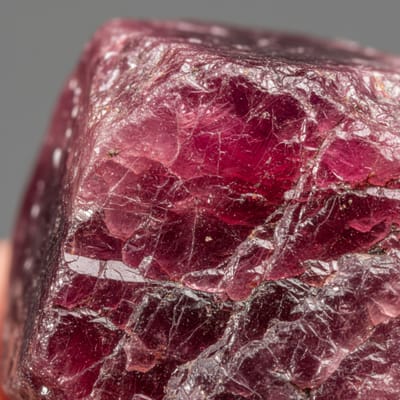
Rubies are natural geological formations. They are formed deep within the Earth s mantle under immense heat and pressure over millions of years. The primary ingredient, corundum, requires specific geological conditions and the presence of trace amounts of chromium to develop its red color. When these conditions are met, corundum crystals form. These raw crystals are then mined, cut, and polished by skilled artisans to be set into jewelry.
Grading & Quality Standards
The quality of a ruby is assessed using the same four C s as diamonds, with color being paramount:
- Color: As mentioned, the most important factor. The ideal is a pure, vivid red, free from excessive blue or brown tones. The intensity and evenness of the color distribution are crucial.
- Clarity: Refers to the presence or absence of internal flaws (inclusions) and external blemishes. Minor inclusions that do not detract from the stone s beauty are acceptable and common. Eye-clean stones command higher prices.
- Cut: The precision and symmetry of the cut influence the ruby s brilliance, sparkle, and overall appearance. A well-proportioned cut will maximize light return.
- Carat Weight: The size of the gemstone. Due to their rarity, larger, high-quality rubies are exponentially more valuable than smaller ones.
Beyond the 4 Cs, origin is also a significant factor influencing value, with Burmese rubies historically commanding the highest premiums.
Buying Guide
When purchasing a ruby, consider the following:
- Color: Decide on the shade of red that appeals most to you. Understand that the most intense, pure reds are the rarest and most expensive.
- Treatment Disclosure: Most rubies on the market are heated to improve their color and clarity. This is a widely accepted practice, but it is essential to know if the ruby has undergone this or other treatments (like fracture filling), as they can affect value. Reputable jewelers will disclose all treatments.
- Inclusions: Look for a ruby where inclusions are not distracting to the eye. Tiny needle-like inclusions, known as 'silk,' can sometimes enhance beauty by diffusing light, creating a softer glow.
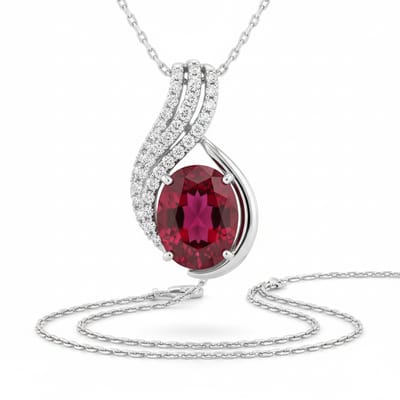
- Setting: Ruby s hardness makes it suitable for all types of jewelry settings. Platinum or 18k gold are excellent choices for settings that will protect the stone and complement its color.
- Certification: For significant purchases, insist on a gemological laboratory report (e.g., from GIA, AGTA) that details the ruby s characteristics and any treatments.
Price Range & Value Factors
Ruby prices vary dramatically based on the interplay of the 4 Cs, origin, and treatments. Small, treated rubies might be affordable, while large, untreated, pigeon blood Burmese rubies can command prices comparable to high-quality diamonds. Factors influencing value include:
- Color saturation and hue
- Clarity and the nature of inclusions
- Cut quality and brilliance
- Carat weight (larger stones are exponentially more valuable)
- Origin (Burmese, Mozambican, etc.)
- Presence and type of treatments
- Rarity of unheated stones
Generally, untreated rubies are significantly more valuable than treated ones. The price per carat can range from a few hundred dollars for smaller, treated stones to tens of thousands of dollars or more for exceptional, unheated specimens.
Care and Maintenance
Due to its hardness, ruby is relatively easy to care for. However, it is still important to follow proper guidelines:
- Cleaning: Use a soft brush, warm water, and mild dish soap. Gently scrub the stone and setting, then rinse thoroughly and dry with a lint-free cloth. Avoid ultrasonic cleaners and harsh chemicals, especially if the ruby has undergone fracture filling.
- Storage: Store rubies separately from other jewelry to prevent scratching. Use a soft pouch or a lined jewelry box.
- Protection: While durable, rubies can chip or fracture if subjected to hard blows. Remove rings when engaging in strenuous activities or sports.
Pros and Cons
Pros:
- Exceptional Durability: Its 9 Mohs hardness makes it suitable for daily wear.
- Vibrant Color: Offers a rich, passionate red that is highly sought after.
- Timeless Appeal: A classic gemstone with a long history in fine jewelry.
- Symbolism: Associated with love, passion, courage, and prosperity.
- Investment Potential: High-quality, rare rubies can be excellent investments.
Cons:
- Cost: High-quality, unheated rubies can be very expensive.
- Inclusions: Most rubies contain visible inclusions, which can affect appearance and value.
- Treatments: Many rubies are treated, and buyers need to be aware of this and its impact on value.
- Rarity of Top Quality: Finding rubies with exceptional color, clarity, and size simultaneously is rare.
Famous Examples
- The Layla Ruby: A magnificent, large ruby that has been featured in numerous auctions and exhibitions.
- The DeLong Star Ruby: A famous 100.32-carat star ruby, notable for its distinct six-rayed star and deep color. It is housed at the American Museum of Natural History.
- The Carmen Lúcia Ruby: A renowned 23.10-carat Burmese ruby, celebrated for its exceptional color and clarity. It is part of the Smithsonian National Museum of Natural History collection.
Common Misconceptions
- All Red Gems are Rubies: This is false. Red garnets, red spinels, and red tourmalines are also popular red gemstones, but only red corundum is a ruby.
- Rubies are Always Expensive: While top-quality, unheated rubies are very costly, smaller, treated, or lower-clarity rubies can be quite affordable.
- Inclusions Mean Low Quality: In many cases, natural inclusions are indicators of a ruby s natural origin and can even add character. Clarity is just one of the 4 Cs.
Related Terms
- Corundum
- Sapphire
- Mohs Hardness Scale
- Gemstone Treatments (Heat Treatment, Fracture Filling)
- Pigeon Blood Red
- 4 Cs (Color, Clarity, Cut, Carat)
- Natural Gemstones
- Synthetic Gemstones
FAQs
What is the most valuable color for a ruby?
The most valuable color is a pure, vivid red, often referred to as pigeon blood red, ideally with a slight purplish or bluish undertone. This is most famously associated with rubies from Burma (Myanmar).
Are heated rubies less valuable?
Yes, generally heated rubies are less valuable than unheated rubies of comparable quality. However, heating is a standard and accepted practice to improve color and clarity, and many beautiful, marketable rubies on the market are heated.
How can I tell if a ruby is real?
While a professional gemologist is the best authority, some indicators include looking for inclusions (most natural rubies have them), checking for consistent color, and noting the stone s hardness (it should scratch glass). However, synthetic rubies can mimic these properties, so professional testing is recommended for certainty.
Can rubies be worn every day?
Yes, due to their exceptional hardness (9 on the Mohs scale), rubies are very suitable for everyday wear in rings, pendants, and earrings. However, they can still chip or scratch if subjected to severe impact, so caution is advised during strenuous activities.
What is the difference between ruby and sapphire?
Both ruby and sapphire are varieties of the mineral corundum. The only difference is their color: red corundum is called ruby, while corundum of any other color (blue, pink, yellow, green, etc.) is called sapphire.