Rhodolite Garnet: A Gemstone of Enduring Beauty
Rhodolite is a captivating gemstone belonging to the garnet family, highly prized for its vibrant color and durability, making it a favored choice in fine jewelry. Its unique hue, a beautiful blend of red and violet, sets it apart from other garnets and appeals to those seeking a distinctive and elegant gemstone.
Definition
Rhodolite is a variety of garnet, specifically a solid solution between pyrope and almandine garnets. The name 'rhodolite' is derived from the Greek word 'rhodon', meaning 'rose-like', a fitting description for its characteristic pinkish-red to purplish-red color. While it is a distinct variety, it is chemically classified as a member of the pyralspite group of garnets.
Key Features
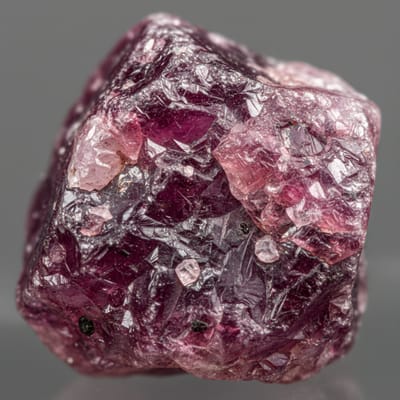
- Color: The most defining characteristic of rhodolite is its rich, vibrant color, ranging from a bright pinkish-red to a deep purplish-red. The ideal and most sought-after color is often described as a raspberry or rose red, free from brownish or orangey overtones.
- Clarity: Like most garnets, rhodolite is typically eye-clean, meaning any inclusions are not visible to the naked eye. However, very fine inclusions can sometimes enhance its beauty and help identify it as a natural gemstone.
- Hardness: With a Mohs hardness of 7 to 7.5, rhodolite is a relatively hard and durable gemstone, suitable for everyday wear in various types of jewelry, including rings, necklaces, bracelets, and earrings.
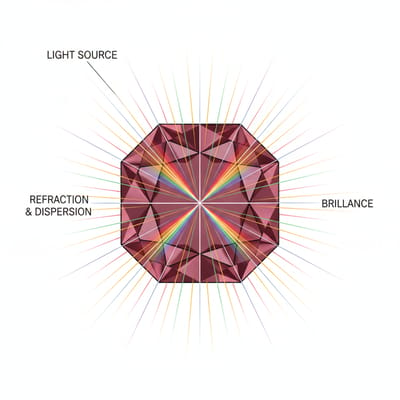
- Luster: Rhodolite exhibits a vitreous (glass-like) luster, which gives it a brilliant sparkle when cut and polished.
- Refractive Index: Its refractive index contributes to its fire and brilliance, making it a visually appealing gemstone.
Origin and History
The primary source of rhodolite garnets is Sri Lanka (formerly Ceylon), with significant deposits also found in India, Brazil, Tanzania, Kenya, and the United States (North Carolina). Historically, garnets have been used in jewelry for thousands of years, dating back to the Bronze Age. While specific historical records detailing rhodolite as a distinct variety are scarce compared to other well-known gemstones, its unique color has likely been appreciated and incorporated into adornments for centuries. The name 'rhodolite' itself was coined in the late 19th century, bringing specific recognition to this beautiful garnet variety.
Types / Variations
While rhodolite is defined by its specific color range, there can be subtle variations within this spectrum:
- Pinkish-red rhodolite: Closer to a true pink, often very vibrant.
- Purplish-red rhodolite: Deeper, with noticeable violet undertones.
- Raspberry red rhodolite: The most prized, a balanced blend of red and purple, reminiscent of ripe raspberries.
The intensity and saturation of the color are key factors in its value. Overtones of brown or orange are generally undesirable and classify the stone more as a standard almandine or pyrope garnet.
How It's Made
Rhodolite garnets are natural gemstones formed deep within the Earth's mantle under conditions of intense heat and pressure. They are silicate minerals composed of specific chemical elements. The characteristic red to purplish-red color of rhodolite is primarily due to the presence of manganese and iron within its crystal structure. As these elements combine with aluminum and magnesium in varying proportions, the resulting gemstone displays its unique hue. Once extracted from the earth, raw rhodolite crystals are cut and polished by skilled lapidaries to reveal their beauty and prepare them for jewelry settings.
Grading & Quality Standards
The quality and value of rhodolite garnets are assessed based on several factors, broadly aligning with the 4 Cs used for diamonds, but with specific emphasis on color:
- Color: This is the most crucial factor for rhodolite. The finest specimens display a pure, vivid purplish-red to pinkish-red hue without any undesirable brown or orange modifiers. Saturation and evenness of color are highly important.
- Clarity: Rhodolite is generally valued when it is eye-clean. While some small inclusions are acceptable and can even be indicators of natural origin, significant inclusions that detract from the stone's appearance will lower its value.
- Cut: A well-cut rhodolite will maximize its color, brilliance, and sparkle. The cut should be proportioned to avoid windows (areas where light passes through without reflecting) and to enhance the gemstone's inherent beauty. Oval and pear shapes are popular as they tend to retain more weight and display color well.
- Carat Weight: Larger rhodolites are rarer, and therefore, the price per carat increases significantly with size, especially for stones displaying exceptional color.
Buying Guide
When purchasing rhodolite, consider the following:
- Color is King: Prioritize a vibrant, pure red-violet or pink-red hue. Avoid stones with noticeable brown or orange tones.
- Clarity Matters: Look for eye-clean stones. A loupe can help inspect for inclusions, but remember that very minor inclusions are common in natural gemstones.
- Cut for Brilliance: Ensure the gemstone is well-cut to maximize its fire and sparkle. Consult with a jeweler about the cut quality.
- Reputable Source: Purchase from trusted jewelers or gem dealers who can provide a certificate of authenticity and details about the stone's origin and treatments (though rhodolite is rarely treated).
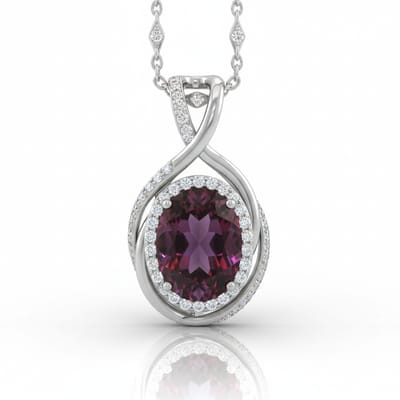
- Setting Choice: Rhodolite's hardness makes it suitable for most jewelry types. Consider how its color will complement the metal setting – yellow gold can enhance reddish tones, while white gold or platinum can highlight purplish hues.
- Ask Questions: Inquire about the stone's origin, any treatments (though rare for rhodolite), and its specific characteristics.
Price Range & Value Factors
Rhodolite garnets offer excellent value for their beauty and durability. Prices can vary widely depending on the quality of the individual stone, but generally, they are more affordable than traditional red gemstones like rubies.
- Color: The most significant driver of value. Vivid, purplish-red stones command higher prices.
- Size: Larger stones (over 2 carats) with good color and clarity are considerably more valuable.
- Clarity: Eye-clean stones are more valuable than those with visible inclusions.
- Cut: A precise, well-executed cut that maximizes brilliance and color saturation increases value.
- Origin: While origin doesn't typically impact price as dramatically as with some other gemstones, stones from well-regarded sources may fetch slightly more.
Expect to find rhodolite jewelry ranging from a few hundred dollars for smaller stones in simpler settings to several thousand dollars for larger, high-quality gemstones in more elaborate designs.
Care and Maintenance
Rhodolite garnets are relatively easy to care for due to their hardness and durability.
- Cleaning: Warm water, mild soap, and a soft brush are usually sufficient for cleaning. Rinse thoroughly and dry with a soft cloth. Avoid harsh chemicals or ultrasonic cleaners, as they can potentially damage the stone or loosen settings.
- Storage: Store rhodolite jewelry separately from harder gemstones (like diamonds or sapphires) to prevent scratching. Keep pieces in a soft pouch or a lined jewelry box.
- Protection: While durable, avoid exposing rhodolite to sudden temperature changes or harsh impacts, which can cause chipping or cracking, especially around facet junctions. Remove jewelry before engaging in strenuous activities or using abrasive household cleaners.
Pros and Cons
Pros:
- Beautiful Color: Offers a unique and attractive purplish-red to pinkish-red hue.
- Durability: Good hardness (7-7.5 Mohs) makes it suitable for everyday wear.
- Affordability: Generally more affordable than rubies or sapphires of comparable size and quality.
- Versatility: Its color complements various metal settings and styles.
- Availability: Available in a range of sizes, though larger, high-quality stones are rarer.
Cons:
- Color Sensitivity: Undesirable brown or orange overtones can significantly reduce value.
- Inclusions: While often eye-clean, some stones may have inclusions that affect appearance.
- Rarity of Top Quality: Exceptional color and clarity in larger sizes are uncommon.
Famous Examples
While rhodolite may not have specific, widely publicized famous individual stones like some other gems, its unique color has made it a popular choice for designers and collectors. Many pieces of antique and contemporary jewelry feature beautiful rhodolite garnets, appreciated for their distinctive fiery red-violet tones. The allure of rhodolite lies in its consistent beauty and availability rather than singular, record-breaking specimens.
Common Misconceptions
One common misconception is that all red garnets are the same. While 'garnet' is a group of minerals, rhodolite is a specific variety with a distinct color profile that differentiates it from almandine (often darker red) or pyrope (can be darker red or have an orangey-red hue). Another point of confusion can be regarding treatments; while some garnets are treated, rhodolite typically is not, making natural, untreated stones quite common.
Related Terms
- Garnet
- Pyrope Garnet
- Almandine Garnet
- Pyralspite Group
- Gemstone
- Mineral
- Silicate
- Mohs Hardness Scale
FAQs
What is the difference between rhodolite and ruby?
Rhodolite is a type of garnet, while ruby is a distinct gemstone, a variety of the mineral corundum. Rubies are typically red, but their color can range from pinkish-red to a deep pigeon-blood red. Rubies are significantly harder (9 on the Mohs scale) and generally much more expensive than rhodolite. Rhodolite's distinctive purplish-red to pinkish-red hue is also a key differentiator.
Is rhodolite a valuable gemstone?
Rhodolite is considered a semi-precious gemstone. Its value is determined by its color, clarity, cut, and carat weight. While not as expensive as rubies or sapphires, high-quality rhodolites with exceptional color and clarity can be quite valuable, offering great beauty for their price point.
Can rhodolite be worn every day?
Yes, rhodolite is durable enough for everyday wear due to its 7 to 7.5 Mohs hardness. However, like all gemstones, it's advisable to remove jewelry during strenuous activities or when exposed to harsh chemicals to prolong its lifespan and maintain its brilliance.
What metal is best for rhodolite jewelry?
Rhodolite's color works well with various metals. Yellow gold can enhance its red tones, while white gold or platinum can provide a modern contrast and highlight the purplish undertones. Rose gold can create a warm, monochromatic look. The choice often depends on personal preference and the specific shade of the rhodolite.