Pearl: The Timeless Gem of the Ocean
Pearls, with their luminous glow and organic beauty, have captivated humanity for millennia. Unlike other gemstones that are mined from the earth, pearls are formed within mollusks, a unique characteristic that sets them apart in the world of fine jewelry. Their iridescence and natural formation make them a symbol of purity, elegance, and sophistication.
Definition
A pearl is a hard, glistening object produced within the soft tissue of a living shelled mollusk or another animal, such as a conulariid cnidarian. The finest quality pearls are iridescent and lustrous, called gem pearls, and have historically been very valuable. Unusually, the oyster and the pearl inside it grow together. However, the gem-quality, nacreous pearls are mostly found in pearl oysters, pearl mussels, and various other marine and freshwater mollusks.
Key Features
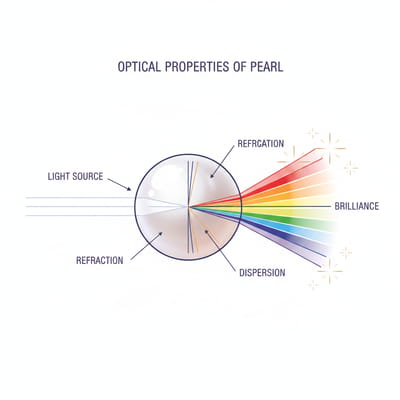
- Luster: This is the most important characteristic of a pearl, referring to the way light reflects off its surface. A high luster gives a pearl a bright, mirror-like sheen.
- Surface Quality: Refers to the presence or absence of blemishes, spots, or irregularities on the pearl's surface. The fewer imperfections, the more valuable the pearl.
- Shape: Pearls come in various shapes, including round, near-round, oval, button, drop, baroques, and irregular. Perfectly round pearls are the rarest and most valuable.
- Color: Pearls occur in a wide range of colors, from classic white and cream to pink, lavender, black, and even blue and green. The desired color often depends on fashion trends and personal preference.
- Size: Pearl size is measured in millimeters. Larger pearls are generally rarer and more valuable, assuming other quality factors are equal.
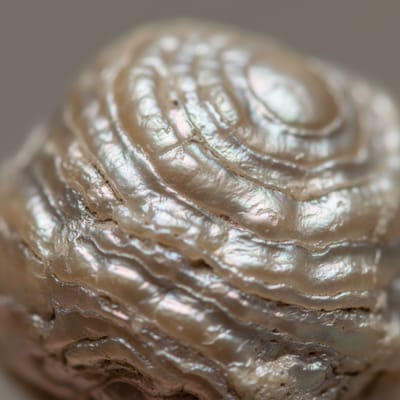
- Nacre Thickness: Nacre is the iridescent, layered substance that makes up the pearl. Thicker nacre contributes to better luster and durability.
Origin and History
The history of pearls is as ancient as civilization itself. Natural pearls were highly prized in ancient Greece, Rome, Egypt, and Persia, often associated with royalty and divinity. Cleopatra's legendary dissolution of a pearl in vinegar and wine to win a bet with Mark Antony is a famous anecdote highlighting their immense value in antiquity. For centuries, pearls were harvested from wild oysters, a process that was often dangerous and yielded unpredictable results. The discovery of pearl cultivation in the early 20th century revolutionized the industry, making pearls more accessible. Japan, particularly, became a leader in pearl cultivation, developing techniques for producing high-quality cultured pearls.
Types / Variations
Pearls are broadly categorized into natural and cultured pearls. Cultured pearls are formed with human intervention, where a nucleus is implanted into the mollusk. Within these categories, there are distinct types based on the oyster or mussel and their origin:
- Akoya Pearls: The classic white or cream-colored pearls from Japan and China, known for their near-perfect roundness and high luster.
- South Sea Pearls: Large, lustrous pearls from Australia, Indonesia, and the Philippines, typically white, silver, or golden in color.
- Tahitian Pearls: Also known as black pearls, these come from French Polynesia and are prized for their exotic dark hues, ranging from deep gray to black, often with iridescent overtones.
- Freshwater Pearls: Cultivated in mussels in lakes and rivers, primarily in China. They come in a vast array of shapes, sizes, and colors, and are generally more affordable.
How It's Made
Natural pearls form when an irritant, such as a parasite or a piece of shell, enters a mollusk's soft tissue. In response to this irritation, the mollusk begins to secrete layers of nacre around the irritant, gradually forming a pearl. Cultured pearls are produced similarly, but with human intervention. A bead nucleus and/or a piece of mantle tissue from a donor mollusk is surgically implanted into the oyster or mussel. The mollusk then coats the nucleus with layers of nacre. The process can take anywhere from six months to several years, depending on the type of pearl and cultivation method.
Grading & Quality Standards
While there isn't a single, universally adopted grading system like the 4Cs for diamonds, pearl quality is assessed based on the key features mentioned earlier: luster, surface quality, shape, color, size, and nacre thickness. Reputable jewelers often use their own grading systems, typically referencing A, AA, AAA, or similar scales, with AAA representing the highest quality. For Akoya and South Sea pearls, roundness is a significant factor. For Tahitian pearls, color and overtones are crucial. For freshwater pearls, the focus is often on the overall appearance, luster, and surface cleanliness.
Buying Guide
When purchasing pearls, consider the following:
- Purpose: Are you buying for everyday wear, a special occasion, or an investment? This will influence the type and quality you seek.
- Type: Decide between natural or cultured, and which specific type of pearl best suits your preference and budget.
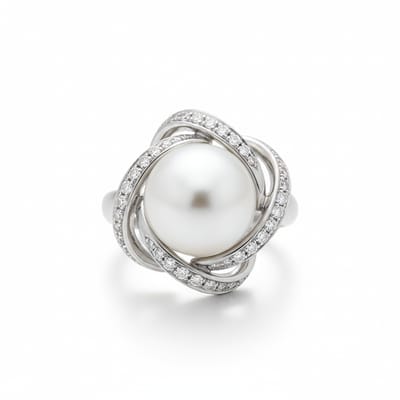
- Setting: Pearls can be set in various metals like gold, silver, or platinum. Consider how the metal complements the pearl's color.
- Trustworthy Source: Buy from reputable jewelers who can provide details about the origin and quality of the pearls.
- Certification: For high-value pearls, ask for a certificate of authenticity from a respected gemological laboratory.
- Budget: Pearl prices vary significantly. Determine your budget beforehand to narrow down your options.
Price Range & Value Factors
Pearl prices can range from under $100 for small, lower-quality freshwater pearls to tens or even hundreds of thousands of dollars for exceptional natural pearls or large, perfectly matched strands of high-quality cultured pearls. The value is determined by a combination of factors:
- Type and Origin: South Sea and Tahitian pearls are generally more expensive than Akoya or freshwater pearls due to their rarity and larger size.
- Size: Larger pearls command higher prices.
- Shape: Perfectly round pearls are the most valuable.
- Luster: Exceptional luster significantly increases value.
- Surface Quality: Clean surfaces are more valuable.
- Color: Rare and desirable colors can fetch higher prices.
- Nacre Thickness: Thicker nacre indicates better quality and durability.
- Matching: For strands of pearls, uniformity in size, shape, color, and luster is critical for high value.
Care and Maintenance
Pearls are organic gems and require gentle care:
- Avoid Chemicals: Keep pearls away from perfumes, hairsprays, cosmetics, and household cleaners, as these can damage the nacre and luster.
- Last On, First Off: Put on pearl jewelry after applying makeup and perfume, and take it off before removing makeup or dressing.
- Gentle Cleaning: Wipe pearls with a soft, damp cloth after wearing. Avoid ultrasonic cleaners and harsh chemicals.
- Proper Storage: Store pearls separately from other jewelry to prevent scratching. Use a soft pouch or a lined jewelry box.
- Occasional Wearing: Pearls benefit from being worn regularly, as the body's natural oils can help maintain their luster. However, avoid wearing them during strenuous activities or in chlorinated water.
Pros and Cons
Pros:
- Timeless elegance and classic beauty.
- Versatile, suitable for both formal and casual wear.
- Symbolic meanings of purity, innocence, and wisdom.
- Unique organic origin.
- Cultivation methods have made them more accessible.
Cons:
- Relatively soft and prone to scratching compared to diamonds or sapphires.
- Sensitive to acids, heat, and dehydration.
- Value can be subjective and influenced by trends.
- Natural pearls are extremely rare and expensive.
Famous Examples
Throughout history, pearls have adorned royalty and celebrities alike. Notable examples include:
- The La Peregrina Pearl: A legendary pear-shaped natural pearl, once owned by Spanish royalty and later by Elizabeth Taylor, renowned for its size and perfect shape.
- The Pearl of Allah (or Pearl of Lao Tzu): The largest known natural pearl, weighing over 14 pounds, though it is baroque in shape and lacks luster.
- The Baroda Pearls: A famous seven-strand natural pearl necklace, once belonging to the Maharani of Baroda.
Common Misconceptions
- All pearls are white and round: Pearls come in a vast array of colors and shapes.
- Cultured pearls are not real pearls: Cultured pearls are real pearls, formed within a mollusk, just with human intervention in the seeding process.
- Pearls are indestructible: Due to their organic nature, pearls are softer and more delicate than many other gemstones.
Related Terms
- Nacre
- Luster
- Iridescence
- Mollusk
- Oyster
- Mussel
- Cultured Pearls
- Natural Pearls
- Gemstone
- Jewelry
FAQs
What is the difference between natural and cultured pearls?
Natural pearls form spontaneously without human intervention, while cultured pearls are formed when a nucleus is intentionally implanted into a mollusk by humans.
Are cultured pearls valuable?
Yes, cultured pearls can be very valuable, depending on their type, size, luster, shape, color, and surface quality. High-quality cultured pearls can be as valuable as natural pearls.
What is the best color for a pearl?
The 'best' color is subjective and depends on personal preference and current fashion. White, cream, pink, and black are among the most popular.
How do I clean my pearls?
Gently wipe them with a soft, damp cloth. Avoid harsh chemicals, ultrasonic cleaners, and abrasive materials.
Are pearls a good investment?
While exceptionally rare natural pearls or perfectly matched strands of high-quality cultured pearls can appreciate in value, most pearls are bought for their beauty and wearability rather than as a primary investment.