Moissanite: A Brilliant Choice in Fine Jewelry
Moissanite is a captivating gemstone that has gained significant popularity in the jewelry world. Renowned for its exceptional brilliance, fire, and durability, it offers a compelling alternative to traditional diamonds. This guide explores everything you need to know about moissanite, from its origins to its value as a gemstone in fine jewelry.
Definition
Moissanite is a naturally occurring mineral, silicon carbide (SiC), discovered by French chemist Henri Moissan in 1893. While found in trace amounts in meteorites, the moissanite used in jewelry today is predominantly lab-created due to the rarity of natural deposits. It is celebrated for its remarkable optical properties, closely mimicking those of a diamond.
Key Features
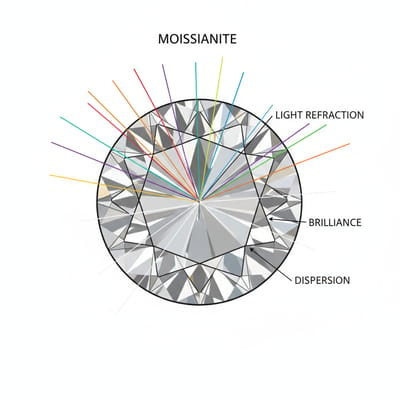
- Brilliance: Moissanite possesses a higher refractive index than diamond, meaning it bends light more effectively, resulting in exceptional sparkle.
- Fire: It exhibits more ‘fire’ or dispersion than diamond, displaying vibrant flashes of rainbow colors. This characteristic is highly desirable for many jewelry buyers seeking a gemstone with a dynamic visual appeal.
- Hardness: With a Mohs hardness of 9.25, moissanite is one of the hardest gemstones available, second only to diamond. This makes it incredibly resistant to scratching and abrasion, ideal for everyday wear.
- Durability: Its hardness and toughness make moissanite highly durable and suitable for various jewelry settings.
- Colorlessness: While natural moissanite can have a slight tint, modern lab-created moissanite is available in a wide range of colors, including near-colorless to faint yellow or even brown. The most sought-after varieties are those with little to no color.
- Clarity: Like diamonds, moissanite can have inclusions. However, lab-created moissanite typically has excellent clarity due to controlled manufacturing processes.
Origin and History
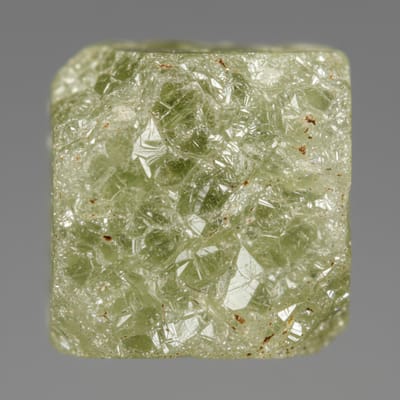
Moissanite was first identified by Henri Moissan in 1893 while examining rock samples from a meteor crater in Arizona. He initially mistook the crystals for diamonds. However, he later identified them as silicon carbide. For decades, natural moissanite remained a rarity, too scarce to be commercially viable for jewelry. The development of lab-created silicon carbide in the late 20th century, particularly by Charles and Colvard starting in the 1990s, made moissanite accessible as a gemstone. This innovation allowed for the mass production of high-quality moissanite suitable for fine jewelry, offering a dazzling and durable option.
Types / Variations
Modern moissanite in the jewelry market is almost exclusively lab-created. The primary variations seen by consumers relate to color and cut:
- Color: Moissanite is graded on a color scale. While some stones may exhibit faint yellow or greenish hues, advancements in technology have produced moissanite that is virtually colorless, comparable to a D, E, or F color grade in diamonds. Some producers also offer moissanite in vibrant fancy colors like pink, blue, or green, created through advanced treatments.
- Cut: Moissanite is cut into virtually every shape and facet pattern available for diamonds, including round brilliant, princess, oval, pear, emerald, and cushion cuts. The precision of the cut significantly impacts its brilliance and fire.
How It's Made
The moissanite used in jewelry is created through a sophisticated high-temperature, Czochralski-like growth process. Silicon carbide crystals are grown in a controlled laboratory environment. This process ensures the gem’s uniformity, high quality, and precise optical characteristics. The resulting crystals are then cut and polished by skilled lapidaries, much like diamonds, to maximize their beauty and brilliance.
Grading & Quality Standards
Moissanite does not follow the same 4Cs grading system as diamonds (carat, cut, color, clarity). However, quality is assessed based on similar principles:
- Color: Assessed on a scale from colorless to faint color. High-quality moissanite is highly valued for its lack of color.
- Clarity: Evaluated for internal inclusions and external blemishes. Eye-clean (no visible inclusions to the naked eye) is the standard for good quality.
- Cut: The precision of the cut, symmetry, and polish determine how well the stone reflects light and displays its brilliance and fire.
- Carat Equivalent Weight: Because moissanite has a lower density than diamond, its weight is often referred to in terms of its diamond equivalent. For example, a 6.5mm moissanite round brilliant stone weighs approximately 1 carat, whereas a 1-carat diamond of the same size would weigh exactly 1 carat. This is an important distinction for buyers.
Buying Guide
When purchasing moissanite jewelry, consider the following:
- Source: Buy from reputable jewelers or manufacturers who specialize in moissanite. Look for brands that offer certificates of authenticity.
- Color: Decide on your preferred color grade. If you want a stone that looks most like a diamond, opt for near-colorless grades.
- Cut: The cut greatly influences the stone’s sparkle. A well-executed cut will enhance brilliance and fire.
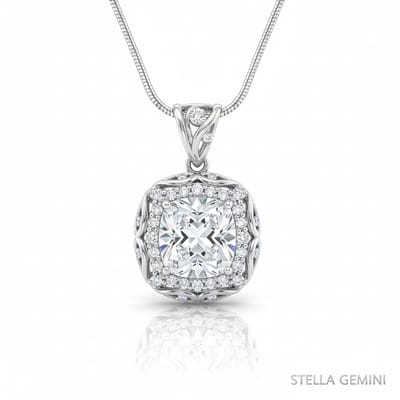
- Setting: Moissanite’s durability makes it suitable for all types of jewelry, including engagement rings, earrings, pendants, and bracelets. Consider the metal of the setting (e.g., platinum, gold) and how it complements the stone.
- Certification: Reputable moissanite comes with a certificate of authenticity that details its characteristics and often includes a limited warranty.
- Price: Moissanite is significantly more affordable than diamond, making it an excellent choice for those seeking a large, brilliant stone on a budget. Compare prices from different vendors, but prioritize quality and authenticity over the lowest price.
Price Range & Value Factors
Moissanite is considerably less expensive than diamond. The price varies based on size (carat equivalent weight), color, clarity, and cut quality. A 1-carat equivalent moissanite stone might range from a few hundred dollars to over a thousand, depending on these factors and the brand. Its value is primarily derived from its beauty and durability, offering exceptional visual appeal at a fraction of the cost of comparable diamonds. It is not considered an investment gemstone like diamonds, as its value is more about aesthetic appeal and wearability.
Care and Maintenance
Moissanite is relatively easy to care for due to its hardness and resistance to scratching:
- Cleaning: Clean regularly with a soft brush, warm water, and a mild dish soap. Rinse thoroughly and dry with a lint-free cloth.
- Avoid Harsh Chemicals: Although durable, avoid exposing moissanite to harsh chemicals, abrasive cleaners, or ultrasonic cleaners, as these can damage the setting or potentially affect the stone's finish over time.
- Storage: Store moissanite jewelry in a soft pouch or a lined jewelry box to prevent scratching from other jewelry.
Pros and Cons
Pros:
- Exceptional brilliance and fire, often exceeding that of diamond.
- High durability and hardness (9.25 on the Mohs scale), making it suitable for everyday wear.
- Significantly more affordable than diamonds, offering greater size and quality for the budget.
- Lab-created, ensuring ethical sourcing and consistent quality.
- Resistant to scratching and chipping.
Cons:
- Exhibits more ‘fire’ (rainbow flashes) than diamond, which some may find less desirable or too noticeable.
- Not considered a valuable investment gemstone.
- Can be mistaken for diamond, which may lead to issues if misrepresentation occurs.
- Some people prefer the natural origin and perceived value of mined gemstones.
Famous Examples
While moissanite is a relatively new entrant in the fine jewelry market compared to diamonds or emeralds, many beautiful pieces feature this gemstone. Due to its lab-created nature and focus on affordability and modern appeal, there aren't historically famous individual moissanite stones in the same way as legendary diamonds. Instead, its fame lies in its widespread use in contemporary engagement rings and fashion jewelry, appreciated for its sparkle and value.
Common Misconceptions
- Moissanite is a diamond simulant: While it shares visual similarities with diamond, moissanite is a distinct gemstone with its own unique properties and chemical composition. It is not a fake diamond but a genuine gemstone in its own right.
- All moissanite looks the same: The quality and appearance of moissanite can vary significantly based on its color, clarity, and cut. High-quality moissanite is virtually indistinguishable from a diamond to the untrained eye.
- It’s too flashy: The strong fire of moissanite is a defining characteristic. While some may find it too colorful, modern cuts and treatments aim to balance brilliance and fire, and for many, this vibrant display is a primary attraction.
Related Terms
- Silicon Carbide
- Gemstone
- Diamond Simulant
- Lab-Created Gemstone
- Brilliance
- Dispersion (Fire)
- Refractive Index
- Mohs Hardness Scale
FAQs
Is moissanite a real gemstone?
Yes, moissanite is a real gemstone. It is a naturally occurring mineral (silicon carbide), though the moissanite used in jewelry is predominantly lab-created for quality and availability.
How does moissanite compare to diamond?
Moissanite is harder than diamond (9.25 vs. 10 on the Mohs scale is incorrect; diamond is 10, moissanite is 9.25), has a higher refractive index (more brilliance), and greater dispersion (more fire). It is also significantly more affordable.
Can moissanite be detected as fake?
Gemological laboratories and jewelers can easily distinguish moissanite from diamond using standard gemological testing equipment, such as a thermal conductivity tester, as diamonds conduct heat differently than moissanite.
Is moissanite a good choice for an engagement ring?
Yes, moissanite is an excellent choice for an engagement ring due to its exceptional durability, brilliance, affordability, and ethical, lab-created origin.
Does moissanite scratch easily?
No, moissanite is very hard and resistant to scratching, making it ideal for everyday wear in jewelry.