Jade: A Gemstone of Beauty and Symbolism
Jade is a gemstone steeped in history and cultural significance, revered for its vibrant green hues and exceptional toughness. In the world of fine jewelry, jade holds a special place, appreciated not only for its aesthetic appeal but also for its rich symbolism, particularly in East Asian cultures.
Definition
Jade is not a single mineral but a term encompassing two distinct minerals: nephrite and jadeite. Both share a similar appearance and are used interchangeably in jewelry, though jadeite is generally rarer and more valuable. They are known for their distinctive green colors, but can also be found in white, black, lavender, red, orange, and yellow.
Key Features
Jade is renowned for several key characteristics that make it desirable for jewelry:
- Color: The most prized color is a vibrant, even green, often called 'Imperial Green', but other colors like lavender, white, and black are also popular. Color zoning and variations are common and can affect value.
- Toughness: Jade possesses exceptional toughness, meaning it is highly resistant to breaking and chipping. This makes it ideal for jewelry that is worn daily.
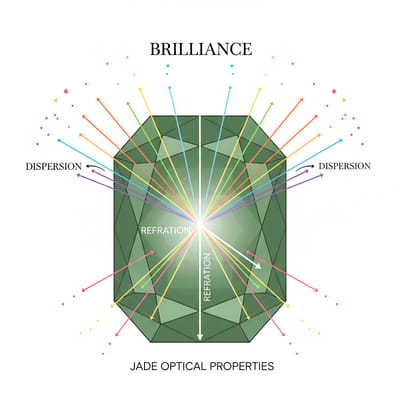
- Luster: Jade typically has a vitreous to greasy luster, which can appear silky and smooth, especially when polished.
- Transparency: It ranges from opaque to translucent. Translucent jade, where light can penetrate the stone, is generally more desirable.
- Density: Jadeite is denser than nephrite, a property sometimes used in identification.
Origin and History
The history of jade use spans thousands of years and multiple civilizations. Archaeological evidence suggests that jade was first worked in Neolithic China, where it was used for tools, ritual objects, and ornaments. It was highly valued in ancient Chinese culture, associated with virtues like wisdom, justice, compassion, and modesty.
In Mesoamerica, particularly among the Maya and Aztec civilizations, jade was considered more precious than gold. It was used for intricate carvings, jewelry, and ceremonial artifacts. The Olmec civilization also prominently featured jade in their art and religious practices.
The discovery of jadeite in Myanmar (Burma) in the 19th century led to its increased popularity in the West, especially for carved ornaments and jewelry.
Types / Variations
As mentioned, jade refers to two main mineral types:
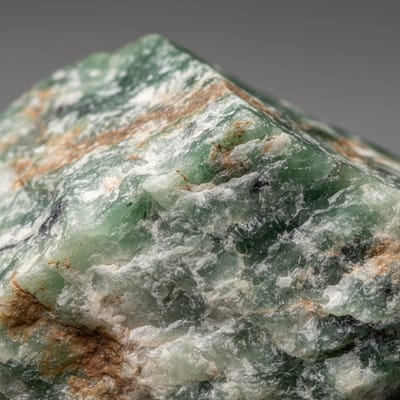
- Nephrite: This type of jade is a calcium magnesium silicate. It is typically found in shades of green, ranging from pale to dark, and also in white and gray. Nephrite is known for its fibrous structure and extreme toughness. Historically, it was the primary jade used in ancient China. Major sources include China, Canada, New Zealand, and parts of Africa.
- Jadeite: This is a sodium aluminum silicate and is the rarer and typically more valuable of the two jades. It is known for its brighter, more vibrant greens, as well as its beautiful lavender, white, and even black varieties. Jadeite has a granular structure, which contributes to its characteristic texture and luster. Myanmar is the primary source of high-quality jadeite.
Beyond the mineral type, variations in jade are also defined by color (e.g., apple green, spinach green, imperial green, lavender) and by its treatment. Untreated jade is known as 'Type A' jade.
How It's Made
Jade is a naturally occurring mineral that forms under specific geological conditions, typically in metamorphic rocks. It is not manufactured or created; rather, it is mined from the earth.
Once extracted, raw jade undergoes a transformative process to become jewelry-ready:
- Cleaning and Sorting: Rough jade stones are cleaned to remove dirt and debris and then sorted by quality, color, and size.
- Cutting and Shaping: Skilled lapidaries cut the jade into desired shapes and sizes using specialized saws and grinding wheels. Common shapes include cabochons, beads, and intricate carvings.
- Polishing: The shaped jade is then polished to enhance its luster and bring out its natural beauty. This is often done using finer abrasives, culminating in a smooth, glassy finish.
- Carving: For decorative pieces, jade is meticulously carved into intricate designs, often depicting animals, mythological figures, or symbolic motifs significant in Chinese culture.
It is important to note that some jade may undergo treatments to enhance its appearance. 'Type B' jade has been chemically bleached and impregnated with polymer to improve color and fill in natural fissures. 'Type C' jade has been dyed to achieve a more intense or uniform color. These treatments significantly affect the value and should always be disclosed by sellers.
Grading & Quality Standards
The quality and value of jade are assessed based on several factors, primarily for jadeite, following standards that differentiate between natural (Type A), treated (Type B, Type C), and imitation jade.
- Type A: Natural, untreated jade. Its color, translucency, and texture are all natural. This is the most valuable type.
- Type B: Bleached and polymer-impregnated. While visually appealing, its durability and long-term stability are compromised compared to Type A.
- Type C: Dyed. The color is artificial and will likely fade over time.
- Type B+C: Bleached, impregnated, and dyed.
Beyond the treatment type, other quality indicators include:
- Color: Evenness, saturation, and desirability of the hue. 'Imperial Green' is highly prized.
- Translucency: The degree to which light can pass through the stone. More translucent jade is generally more valuable.
- Texture: Fineness of the grain. A fine, smooth texture is preferred.
- Clarity: The absence of significant inclusions or fractures.
- Cut: How well the stone is cut to maximize its beauty.
- Carving: For carved pieces, the artistry and detail of the carving are crucial.
Buying Guide
When purchasing jade jewelry, several factors are critical to ensure you are getting a quality piece and a fair price.
- Identify the Type: Understand whether you are looking at nephrite or jadeite. Jadeite is generally more valuable.
- Check for Treatments: Always ask if the jade is Type A (natural and untreated). Reputable jewelers will disclose any treatments (Type B, Type C). Be wary of extremely low prices for seemingly perfect green jade, as it may be treated or imitation.
- Examine Color: Look for a color that is appealing to you. Evenness and saturation are important, but personal preference plays a role.
- Assess Translucency and Texture: Hold the stone up to the light. A good translucency will allow light to penetrate, giving the jade a subtle glow. A fine, smooth texture is desirable.
- Inspect for Imperfections: Natural jade may have minor inclusions or slight color variations, which are normal. However, significant fractures or large, distracting inclusions can reduce value.
- Consider the Setting: The metal setting should complement the jade and be of good quality. Platinum, gold, and sterling silver are common choices.
- Look for Certification: For significant purchases, consider stones that come with a gemological laboratory report verifying their authenticity and treatment status.
- Buy from Reputable Sources: Purchase from established jewelers or dealers with a good reputation and clear return policies.
Price Range & Value Factors
The value of jade can vary dramatically, from tens of dollars for small, treated cabochons to millions of dollars for exceptional, large jadeite pieces.
Key value factors include:
- Type of Jade: Jadeite is generally more expensive than nephrite.
- Color: Vivid, intense, and even green ('Imperial Green') commands the highest prices. Rare colors like lavender and intense black can also be very valuable.
- Translucency: The more translucent, the higher the value.
- Size and Carat Weight: Larger, high-quality stones are rarer and thus more valuable.
- Clarity and Lack of Inclusions: Fewer visible flaws lead to a higher price.
- Treatment: Type A (untreated) jade is significantly more valuable than Type B or Type C.
- Workmanship: For carved pieces, the quality of the carving, the artistry, and the detail significantly impact value.
- Market Demand: As a culturally significant gemstone, demand, especially from Asian markets, plays a significant role.
While nephrite jade is more affordable, exceptional pieces with beautiful color and fine texture can still be quite valuable.
Care and Maintenance
Jade is durable, but proper care will ensure its longevity and beauty.
- Avoid Harsh Chemicals: Do not expose jade to household cleaners, soaps, perfumes, or cosmetics, as these can dull its luster or even damage treated jade.
- Protect from Impact: Although tough, jade can chip or crack if subjected to hard impacts. Remove jade jewelry before engaging in strenuous activities or sports.
- Gentle Cleaning: Clean jade jewelry with a soft, damp cloth. For more thorough cleaning, use mild soap and lukewarm water, then rinse and dry thoroughly with a soft cloth.
- Separate Storage: Store jade jewelry separately from other gemstones and metals to prevent scratching. A soft pouch or a lined jewelry box is ideal.
- Avoid Extreme Temperatures: Sudden or extreme temperature changes can potentially damage jade, especially treated varieties.
- Re-polishing: Over time, the polish on jade can wear down. It can be re-polished by a professional jeweler if needed.
Pros and Cons
Pros:
- Exceptional Toughness: Highly resistant to breakage and chipping, making it suitable for everyday wear.
- Unique Beauty: Its distinctive green hues and subtle variations offer a unique aesthetic.
- Cultural Significance: Deep historical and symbolic meaning, especially in Asian cultures.
- Variety: Available in various colors and both nephrite and jadeite forms.
- Investment Potential: High-quality, untreated jadeite can be a valuable investment.
Cons:
- Treatment Issues: Much of the jade on the market is treated (Type B, C), which reduces its value and durability.
- Identification Challenges: Distinguishing between nephrite and jadeite, and identifying treatments, can require expertise.
- Price Fluctuations: The market for high-quality jadeite can be volatile.
- Not Universally Popular: While revered in some cultures, it may not be as widely appreciated as diamonds or emeralds in Western markets.
Famous Examples
The world of jade features some legendary pieces:
- The Hutton-Mdivani Jadeite Necklace: This exceptional necklace, composed of 27 perfectly matched large jadeite beads of magnificent color and translucency, was formerly owned by Barbara Hutton. It fetched a record-breaking price at auction, highlighting the immense value of top-quality jadeite.
- The Imperial Jadeite Collection: Many exquisite carved pieces and jewelry items made from 'Imperial Green' jadeite, sourced from Myanmar, are housed in private collections and museums. These pieces are celebrated for their rare color, flawless quality, and masterful craftsmanship.
- Ancient Chinese Jade Artifacts: Countless archaeological finds from China showcase the enduring legacy of jade carving, from intricate ritual objects and burial suits to decorative ornaments, demonstrating millennia of artistry and cultural importance.
Common Misconceptions
Several common misunderstandings surround jade:
- All Green Gemstones are Jade: Many other green stones, such as aventurine, green garnet, peridot, and even dyed quartz, can be mistaken for jade. True jade is either nephrite or jadeite.
- Jade is Always Green: While green is the most famous color, jade occurs in many other colors, including white, lavender, black, red, and yellow.
- All Jade is Valuable: The value of jade varies enormously. Treated jade, lower-quality nephrite, or small stones are generally not very valuable, while exceptional jadeite can be worth millions.
- Jade is Indestructible: While jade is tough, it is not indestructible. It can be scratched, chipped, or broken, especially if treated or subjected to significant force.
Related Terms
When discussing jade, you might encounter terms like:
- Bangle: A type of bracelet, often made from a solid piece of jade.
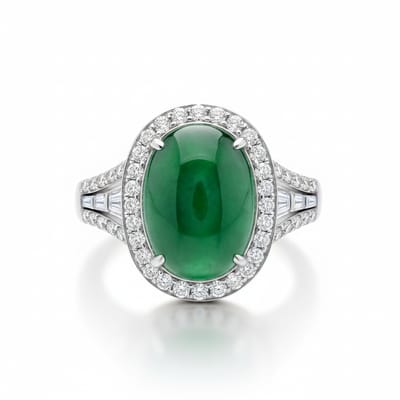
- Cabochon: A polished, domed gemstone cut without facets, common for jade.
- Carving: The intricate sculpting of jade into decorative forms.
- Chipped: Damage to the edge or surface of a gemstone.
- Inclusion: A natural impurity or characteristic within a gemstone.
- Lapidary: A person who cuts, polishes, and engraves gemstones.
- Luster: The way light reflects off the surface of a gemstone.
- Metamorphic Rock: Rocks formed when existing rocks are changed by heat, pressure, or chemical reactions.
- Nephrite: One of the two main types of jade.
- Jadeite: The rarer and typically more valuable type of jade.
- Type A, B, C Jade: Classifications indicating whether the jade is natural, bleached/impregnated, or dyed.
FAQs
What is the most valuable color of jade?
The most valuable color for jadeite is a vivid, translucent green, often referred to as 'Imperial Green'. Highly saturated lavender is also very prized.
Is jadeite or nephrite more valuable?
Jadeite is generally more valuable than nephrite due to its rarity, vibrant colors, and higher translucency.
How can I tell if jade is real?
Real jade is either nephrite or jadeite. Tests include checking its hardness (jade is hard and will scratch glass), density, sound (untreated jade rings with a clear, metallic sound when tapped gently), and temperature (real jade feels cool to the touch). For valuable pieces, a gemological certificate is the most reliable method.
What does it mean if my jade has black spots?
Black spots or inclusions in jade are usually natural mineral deposits and do not necessarily detract from its value, especially if they are minor. However, extensive black inclusions can reduce the stone's overall appeal and value.
Can jade be worn every day?
Yes, jade is very tough and durable, making it suitable for everyday wear. However, it is advisable to remove jade jewelry during strenuous activities to prevent accidental damage.
Is treated jade worth anything?
Treated jade (Type B or C) is worth significantly less than natural, untreated (Type A) jade. While it can still have aesthetic appeal, its long-term value and durability are compromised.