Emerald: The Verdant Gemstone of Royalty and Rebirth
Emerald, a gemstone synonymous with lush greenery and enduring love, has captivated hearts for millennia. As one of the most prized members of the beryl family, its rich, vibrant color and historical significance make it a perennial favorite in fine jewelry. This guide delves into the multifaceted world of emeralds, exploring their origins, characteristics, value, and what to consider when purchasing this exquisite gem.
Definition
Emerald is a gemstone variety of the mineral beryl (Be3Al2(SiO3)6), colored green by trace amounts of chromium and sometimes vanadium. The intensity and hue of the green color are the most critical factors determining an emeralds value. While beryl can be found in various colors, only the distinctly green variety is classified as an emerald. Other colored beryls, such as aquamarine (blue) and morganite (pink), are treated as separate gemstones.
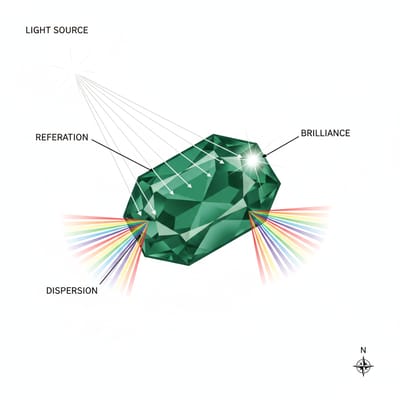
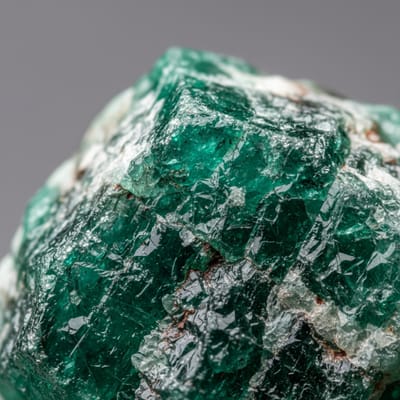
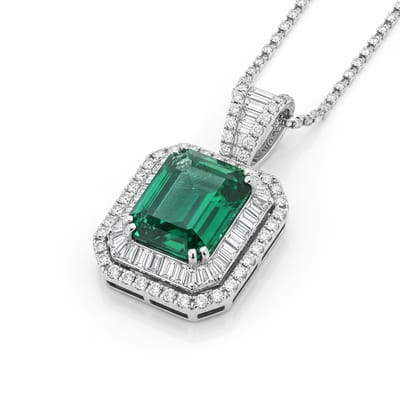
Key Features
- Color: The most defining characteristic of an emerald is its color, which ranges from a yellowish-green to a bluish-green. The ideal color is a medium-dark, vivid green with a high saturation and no perceptible yellowish or bluish tones. Color is graded on a scale from light to dark and from vivid to dull.
- Clarity: Emeralds are known for having inclusions, often referred to as the ‘jardin’ (French for garden). These natural imperfections are characteristic of emeralds and are accepted as part of their beauty. However, excessive or distracting inclusions can significantly reduce value. Gemologists typically grade emerald clarity on a scale that acknowledges these natural characteristics, often using terms like ‘eye-clean’ (where inclusions are not visible to the naked eye) or noting specific types and placement of inclusions.
- Cut: The emerald cut, a step-cut with clipped corners, is the most popular cut for emeralds. This cut is designed to enhance the stones color and protect its relatively brittle structure, minimizing stress on the corners. Other cuts like oval, round, and pear are also used, but the emerald cut remains iconic.
- Carat Weight: Emeralds are found in a wide range of sizes, but larger stones of fine quality are exceptionally rare and command significantly higher prices per carat.
- Durability: With a Mohs hardness of 7.5 to 8, emeralds are reasonably durable for everyday wear, but they are more prone to chipping and breaking than diamonds or sapphires due to their natural inclusions and cleavage planes. Settings that protect the stone, such as bezel settings or those with protective prongs, are often recommended.
Origin and History
Emeralds have been mined for thousands of years, with some of the earliest known deposits being in Egypt, dating back to at least 330 BC. Ancient Egyptians prized emeralds, using them in jewelry and for burial adornments, believing they possessed mystical powers. The legendary mines of Cleopatra were said to be a major source of emeralds for the Egyptian queen.
Later, during the Spanish conquest of the Americas, Europeans discovered vast quantities of emeralds in Colombia. These Colombian emeralds, renowned for their exceptional color and quality, quickly became highly sought after. Other significant sources emerged over time, including deposits in Brazil, Zambia, Pakistan, Afghanistan, and Russia.
Throughout history, emeralds have been associated with royalty, wealth, and mysticism. They were incorporated into the treasures of empires, adorned the crowns of kings and queens, and were believed to offer protection, enhance intuition, and promote love and fertility.
Types / Variations
While the term 'emerald' specifically refers to green beryl, variations can exist based on the intensity and exact hue of the green, as well as the geographic origin, which can influence the characteristic color and inclusions.
- Colombian Emeralds: Widely considered the finest in the world, known for their deep, vivid green color with a slight bluish tinge and a characteristic ‘jardin’ of fine, web-like inclusions.
- Brazilian Emeralds: Typically lighter in color than Colombian emeralds, often with a more yellowish-green hue. They can be very clear.
- Zambian Emeralds: Known for their bluish-green color and often possess a higher degree of clarity compared to Colombian stones. Their color can be slightly more muted than the vivid green of top Colombian emeralds.
- Other Origins: Emeralds are also found in Pakistan, Afghanistan, Russia, and other locations, each with unique characteristics regarding color, clarity, and characteristic inclusions.
How It's Made
Emeralds are natural gemstones formed deep within the Earth’s crust over millions of years under specific geological conditions. The essential elements for emerald formation are beryl (a beryllium aluminum silicate) and chromium or vanadium as coloring agents. These elements typically combine in metamorphic rocks or within pegmatite veins where the necessary heat and pressure are present.
The formation process involves:
- Source of Beryllium: Beryl forms in igneous rocks, particularly granitic pegmatites, or in certain metamorphic rocks.
- Presence of Chromium/Vanadium: These elements must be present in the surrounding rock formations.
- Metamorphic Conditions: The most significant emerald deposits are often found in metamorphic environments where existing beryl is exposed to chromium or vanadium-rich fluids under high pressure and temperature.
- Crystal Growth: Over geological timescales, beryl crystals grow, incorporating the trace amounts of chromium or vanadium, which gives them their characteristic green color.
The characteristic inclusions, or ‘jardin’, found in most emeralds are actually remnants of the minerals and fluids present during the stones formation. These are natural and do not indicate a flaw in the formation process but rather the stones geological history.
Grading & Quality Standards
Unlike diamonds, emeralds do not have a universally standardized grading system like the 4Cs (Color, Clarity, Cut, Carat). However, key factors influence their quality and value:
- Color: This is paramount. The ideal color is a vivid, medium-to-dark green, with good saturation. A highly saturated, pure green color commands the highest price.
- Clarity: Emeralds naturally contain inclusions. Eye-clean stones (where inclusions aren’t visible to the naked eye) are rare and more valuable. However, the type, size, number, and placement of inclusions are considered. Fine, needle-like inclusions (the ‘jardin’) are typical and can add character, but large, dark, or transparent inclusions that compromise durability or appearance are detrimental.
- Cut: The emerald cut is popular for its ability to showcase color and protect the stone. A well-cut emerald will have good symmetry and proportion, maximizing brilliance and minimizing the appearance of inclusions.
- Carat Weight: Larger, high-quality emeralds are significantly rarer and thus more valuable per carat than smaller stones.
- Origin: Emeralds from certain regions, particularly Colombia, are often valued more highly due to their superior color and characteristic inclusions.
- Treatment: Most emeralds are treated to enhance their clarity and durability. The most common treatment is oiling or filling fissures with a resin or oil to improve appearance. This should always be disclosed by the seller.
Buying Guide
When purchasing an emerald, consider the following:
- Color is King: Prioritize the vibrancy and depth of the green color. It should be pleasing to your eye and appear lively in different lighting conditions.
- Clarity Considerations: Understand that inclusions are normal. Look for stones where inclusions are not overly distracting or compromising the stones integrity. An eye-clean stone is desirable but rare.
- Cut and Shape: The emerald cut is classic, but choose a shape that you love. Ensure the cut is well-executed, allowing the stone to display its color effectively.
- Setting Matters: For everyday wear, consider protective settings like bezels or channel settings. Emeralds are best set in white metals like platinum or white gold, which complement their green hue.
- Ask About Treatments: Always inquire about any enhancements or treatments. Reputable jewelers will disclose this information. Oiling is standard, but fracture filling with epoxy resins is more significant and affects durability and value.
- Source: While not always a primary factor for all buyers, origin can influence price and characteristic appearance. Colombian emeralds are often the benchmark.
- Certification: For significant purchases, consider obtaining a grading report from a reputable gemological laboratory (e.g., GIA, AGTA, Gübelin).
- Budget: Emeralds vary widely in price. Set a budget and work with a jeweler to find the best stone within your range, balancing the 4Cs and other factors.
Price Range & Value Factors
Emerald prices can range from a few hundred dollars per carat for smaller, less vibrant stones to tens of thousands of dollars per carat for exceptional, large specimens. The primary value drivers are:
- Color: The most crucial factor. Vivid, deep green with good saturation commands the highest prices.
- Clarity: While inclusions are expected, eye-clean stones or those with fine, non-obstructive jardin are more valuable.
- Carat Weight: Larger stones are exponentially more valuable.
- Origin: Fine Colombian emeralds typically fetch the highest prices.
- Treatment: Untreated or minimally treated emeralds are rarer and more valuable than those with extensive fracture filling.
- Cut: A well-executed cut that maximizes beauty and durability adds to the value.
Care and Maintenance
Emeralds require careful handling to maintain their beauty and integrity:
- Avoid Harsh Chemicals: Keep emeralds away from household cleaners, perfumes, cosmetics, and other chemicals that can damage the stone or its setting.
- Ultrasonic Cleaners: Avoid using ultrasonic cleaners, as the vibrations can cause damage, especially if the emerald has existing fractures.
- Steam Cleaners: Similar to ultrasonic cleaners, steam can also be detrimental.
- Gentle Cleaning: The best method for cleaning is to use a soft brush, warm water, and mild soap. Rinse thoroughly and dry with a soft, lint-free cloth.
- Protective Storage: Store emerald jewelry separately from other pieces to prevent scratching. Use a soft pouch or a lined jewelry box.
- Avoid Impact: Be mindful of activities that could lead to impact or abrasion. Remove emerald jewelry before engaging in strenuous activities, sports, or household chores.
Pros and Cons
Pros:
- Exceptional Beauty: The unique, vibrant green color is unmatched in the gem world.
- Historical Significance: A gemstone with a rich history and cultural importance.
- Symbolism: Associated with love, rebirth, prosperity, and good fortune.
- Versatility: Can be set in various jewelry pieces, from engagement rings to pendants and earrings.
- Investment Potential: High-quality, rare emeralds can appreciate in value over time.
Cons:
- Inclusions: Most emeralds have visible inclusions, which can affect their beauty and durability.
- Brittleness: More prone to chipping and breakage than harder gemstones.
- Treatment Disclosure: Many emeralds are treated, and disclosure is crucial for buyers.
- Price: Fine quality emeralds can be very expensive.
- Care Requirements: Requires more delicate care than harder gemstones.
Famous Examples
Throughout history, emeralds have adorned royalty and featured in legendary jewelry pieces. Some famous examples include:
- The Mogul Emerald: A massive, 217.80-carat Mughal emerald from India, carved with intricate floral motifs. It is one of the largest cut and engraved emeralds in the world.
- The Duke of Devonshire Emerald: A remarkable 1,357-carat Colombian emerald, renowned for its exceptional size, clarity, and vivid green color. It remains one of the largest and finest uncut emerald crystals ever discovered.
- The Patricia Emerald: A 632-carat Colombian emerald, noted for its exceptional clarity and beautiful green hue, making it one of the world's most significant emerald crystals.
Common Misconceptions
- All Emeralds are the Same: This is untrue. Color, clarity, origin, and treatments vary significantly, impacting value and appearance.
- Inclusions Mean Poor Quality: While excessive inclusions reduce value, the characteristic ‘jardin’ of an emerald is a natural feature and can add to its beauty and authenticity. The type and visibility of inclusions are key.
- Emeralds are Too Fragile for Rings: While they require care, emeralds can be successfully set in rings, especially in protective settings, and worn with awareness.
- All Emeralds are Oiled: Most emeralds undergo some form of clarity enhancement, typically oiling. However, the extent and type of filling (e.g., resin filling) can significantly affect durability and value and should be disclosed.
Related Terms
- Beryl
- Aquamarine
- Morganite
- Peridot (often confused due to color)
- Jade (sometimes confused due to color and cultural significance)
- Jardin (inclusions in emeralds)
- Mohs Hardness Scale
- Gemstone Treatments
FAQs
What is the most important factor when buying an emerald?
Color is generally considered the most important factor, followed closely by clarity and origin. A vibrant, pure green hue is highly prized.
Are emeralds good for engagement rings?
Emeralds can be used for engagement rings, but they require more care than diamonds. A protective setting, such as a bezel or a halo, is recommended to safeguard the stone from daily wear and tear.
What does the ‘jardin’ in an emerald mean?
The ‘jardin’ refers to the natural inclusions found within an emerald, which often resemble plant-like structures. These inclusions are characteristic of emeralds and are accepted as part of their natural beauty.
Is it okay for an emerald to be oiled?
Yes, most emeralds are treated with oil or a similar filling material to improve their clarity and protect minor fissures. This is a standard practice in the industry. However, the extent and type of treatment (e.g., epoxy resin) should always be disclosed.
How can I tell if an emerald is real?
A real emerald is a type of beryl and will have a specific hardness (7.5-8 on the Mohs scale) and characteristic inclusions. Color alone is not enough, as many green stones can mimic emeralds. Consulting a professional gemologist or purchasing from a reputable dealer with certification is the best way to ensure authenticity.
Why are Colombian emeralds so expensive?
Colombian emeralds are renowned for their exceptional quality, particularly their deep, vivid green color with a slight bluish tint and desirable inclusions, which are highly sought after by collectors and consumers.