Citrine: The Sunshine Gemstone in Jewelry
Citrine, a gemstone celebrated for its warm, inviting hues ranging from pale yellow to deep amber and reddish-brown, has captivated jewelry enthusiasts for centuries. Its name is derived from the Latin word 'citrina', meaning yellow, a direct reference to its vibrant color. As a variety of quartz, citrine shares its durability and accessibility, making it a popular choice for a wide array of jewelry designs, from everyday wear to statement pieces.
Key Features
Citrine is prized for several characteristics that make it appealing in jewelry:
- Color: Its most defining feature is its color, which can vary significantly. The most desirable shades are often the deeper, more saturated golden yellows and brownish-reds. Paler yellows are common but may be less valuable.
- Clarity: Like most gemstones, eye-clean citrine is preferred, meaning there are no visible inclusions to the naked eye. However, minor inclusions are common and do not necessarily detract from the stone's beauty, especially in less expensive pieces.
- Hardness: With a Mohs hardness of 7, citrine is quite durable and suitable for most types of jewelry, including rings, pendants, earrings, and bracelets. It can withstand everyday wear, though care should still be taken to avoid harsh impacts.
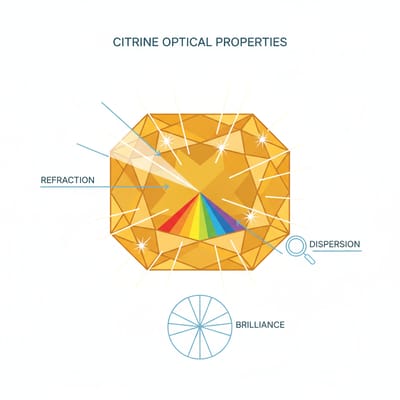
- Brilliance: Citrine exhibits good brilliance and sparkle, especially when cut well, reflecting light effectively.
- Availability: It is relatively abundant, particularly in certain shades, which contributes to its affordability.
Origin and History
Citrine has a long and rich history, often being confused with or used as a substitute for more precious yellow stones like yellow sapphire or topaz. Ancient civilizations, including the Greeks and Romans, used citrine for decorative carvings and jewelry. Its use became more widespread in the 17th century, and its popularity surged again in the Art Deco period of the 1920s and 1930s, when large, boldly cut citrines were fashionable, particularly in brooches and elaborate settings.
Types / Variations
While citrine is a single mineral species, the variations in its color are significant:
- Madeira Citrine: This is a deeper, reddish-brown or orangey-red hue, named after the fortified wine of the same color. It is generally the most sought-after and valuable color.
- Golden Citrine: A bright, rich yellow color.
- Lemon Citrine: A lighter, paler yellow, sometimes with a slightly greenish tint.
- Green Citrine: While technically a variation, the term 'green citrine' is often used for citrine that has been heat-treated to produce a greenish hue, or it can sometimes refer to a natural green quartz variety like prasiolite, though this is rare and often confused with treated amethyst.
How It's Made
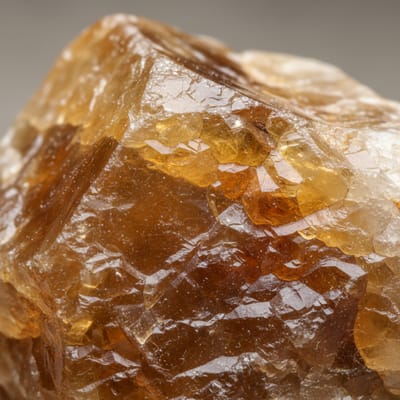
Most citrine on the market today is not entirely natural. While natural citrine does occur, it is relatively rare. The vast majority of citrine gemstones are produced by heat-treating amethyst or smoky quartz. This process alters the color centers within the crystal structure, transforming the purple of amethyst or the brown/grey of smoky quartz into a range of yellows and oranges.
The heat treatment process typically involves heating the amethyst or smoky quartz to temperatures between 400 and 700 degrees Celsius (750 to 1300 degrees Fahrenheit). The resulting color is usually stable and permanent. Natural citrine, which forms under different geological conditions, is much less common and often commands a higher price for comparable quality and size, especially in deeper, more saturated hues.
Grading & Quality Standards
Citrine, like other gemstones, is evaluated based on the universal 4 Cs (color, clarity, cut, and carat weight), but color is often the most dominant factor in its value. Gemologists also consider:
- Color Saturation: Deeper, richer yellows and oranges are generally more desirable than pale yellows.
- Hue: The specific shade of yellow or orange. Reddish-brown tones are often highly valued.
- Clarity: Eye-clean stones are preferred. However, minor inclusions might be acceptable given the price point of citrine compared to more precious gems.
- Cut: A well-executed cut will maximize the stone's brilliance and color saturation. Fancy cuts can enhance the appearance of citrine.
- Carat Weight: Larger stones are available due to the abundance of citrine, but as with all gems, price per carat increases with size.
There isn't a formal, universally applied grading system like the GIA diamond grading scale for citrine. Instead, quality is assessed by experienced dealers and gemologists based on the factors above.
Buying Guide
When purchasing citrine jewelry, consider the following:
- Color: Decide on the hue you prefer – pale yellow, golden, or Madeira. Remember that deeper colors are often more valuable.
- Clarity: Look for stones that appear clean to the eye.
- Cut: Ensure the cut is well-proportioned and symmetrical to maximize sparkle and minimize color zoning.
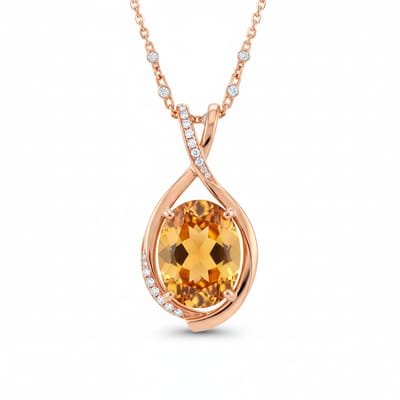
- Setting: Citrine's hardness of 7 makes it suitable for most settings. Yellow gold complements warm citrine tones beautifully, while white gold or platinum offers a modern contrast.
- Origin: Be aware that most citrine is heat-treated amethyst. If natural citrine is important to you, ask your jeweler for confirmation, and expect a higher price.
- Certification: While not as common for citrine as for diamonds, reputable jewelers can provide documentation, especially for larger or more significant pieces.
Price Range & Value Factors
Citrine is one of the more affordable gemstones, making it an excellent choice for those seeking a beautiful, colorful stone without a high price tag. Its price is influenced by:
- Color: Madeira and deep golden citrines command higher prices than paler yellow or greenish varieties.
- Clarity: Eye-clean stones are more valuable.
- Size: Larger stones are more valuable per carat.
- Origin: Natural citrine is significantly more expensive than treated amethyst or smoky quartz.
- Cut: Intricate or expertly executed cuts can increase value.
Prices can range from a few dollars per carat for smaller, paler stones to potentially hundreds of dollars per carat for large, exceptional quality natural citrines or very deep-colored treated stones.
Care and Maintenance
Citrine is relatively durable, but proper care will ensure its longevity:
- Cleaning: Use warm water, mild dish soap, and a soft brush. Rinse thoroughly and dry with a lint-free cloth. Avoid ultrasonic cleaners and steam cleaners, as they can potentially damage the stone or its setting.
- Storage: Store citrine jewelry separately from harder gemstones like diamonds or sapphires to prevent scratching. Keep it in a soft pouch or a lined jewelry box.
- Protection: While durable, avoid exposing citrine to prolonged, direct sunlight, as intense UV rays can cause the color to fade over time, especially in paler stones. Also, avoid harsh chemicals, perfumes, and cosmetics, and remove jewelry before engaging in strenuous activities or household chores.
Pros and Cons
Pros:
- Affordability: Offers vibrant color at a budget-friendly price.
- Durability: Its Mohs hardness of 7 makes it suitable for everyday wear.
- Color Variety: Available in a range of attractive warm yellow to brownish-red hues.
- Availability: Easily found in various cuts and sizes.
- Versatility: Its color complements many metal types and jewelry styles.
Cons:
- Color Stability: Paler stones can fade with prolonged sun exposure.
- Treatment Commonality: Most citrine is treated, which may be a concern for some buyers.
- Inclusions: Can sometimes have visible inclusions, though this is less of an issue for its price point.
- Can be confused: Often mistaken for yellow sapphire or topaz, which are considerably more expensive.
Famous Examples
While citrine is not typically the star of famous, headline-grabbing jewels in the same way diamonds or rubies are, its use in historical jewelry is notable. For instance, large, intricately carved citrines were popular during the Art Deco period. Many pieces from this era, often featuring bold geometric designs and set in platinum or white gold, showcase impressive citrines. Royal collections and celebrity jewelry often feature citrine, valued for its warmth and elegance, though specific historically documented stones are less common than those of more precious gems.
Common Misconceptions
- All citrine is natural: The vast majority of citrine sold today is heat-treated amethyst or smoky quartz. Natural citrine does exist but is much rarer and more expensive.
- Citrine is a type of topaz: Citrine is a variety of quartz. While both can be yellow, they are distinct minerals with different chemical compositions and physical properties.
- Citrine is always yellow: Citrine's color spectrum includes shades from pale yellow to orange, brown, and even reddish-brown.
- Pale citrine is low quality: While deeper colors are often more valuable, pale yellow citrine can be beautiful and desirable, especially if it has good clarity and sparkle. The preference is subjective.
Related Terms
- Amethyst (often heat-treated to become citrine)
- Smoky Quartz (can be heat-treated to become citrine)
- Quartz (the mineral family citrine belongs to)
- Prasiolite (a rare green quartz, sometimes confused with green citrine)
- Yellow Sapphire
- Yellow Topaz
FAQs
What is the most valuable color of citrine?
The most valuable colors are typically the deep, rich, reddish-brown hues known as Madeira citrine, followed by vibrant golden yellow. Pale yellows and greenish tones are generally less valuable.
Is citrine a hard gemstone?
Yes, citrine has a Mohs hardness of 7, making it durable enough for most types of jewelry and daily wear.
Is most citrine natural?
No, the vast majority of citrine on the market today is produced by heat-treating amethyst or smoky quartz. Natural citrine is much rarer.
How should I clean citrine jewelry?
Clean citrine with warm water, mild soap, and a soft brush. Rinse and dry gently. Avoid ultrasonic and steam cleaners.
Can citrine fade in the sun?
Yes, prolonged exposure to direct sunlight can cause the color of citrine, especially paler shades, to fade over time.