Aquamarine: The Gemstone of the Sea
Aquamarine, a beryl gemstone, is celebrated for its captivating blue hues, reminiscent of the ocean. Its name, derived from the Latin words 'aqua' (water) and 'marina' (sea), perfectly encapsulates its serene and watery appearance. This precious gemstone has adorned jewelry for centuries, symbolizing youth, health, and hope.
Key Features
Aquamarine is prized for several characteristics that make it a popular choice in jewelry:
- Color: The most defining feature of aquamarine is its color, ranging from a pale, almost colorless blue to a deep, vibrant blue. The most desirable shades are a rich, medium blue, sometimes with a slight greenish tint. The intensity and evenness of the color significantly impact its value.
- Clarity: Like most beryl gemstones, aquamarine is typically eye-clean, meaning it has no visible inclusions to the naked eye. High clarity enhances the stone's brilliance and sparkle.
- Hardness: Aquamarine ranks 7.5 to 8 on the Mohs hardness scale, making it durable enough for everyday wear in rings, pendants, earrings, and bracelets.
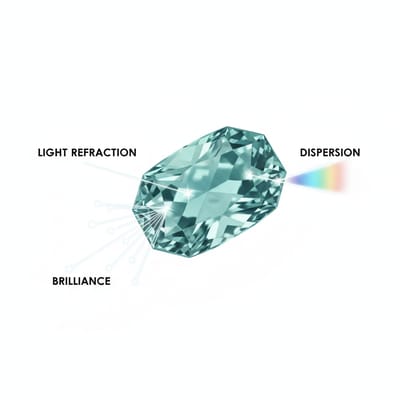
- Luster: It possesses a vitreous (glass-like) luster, which contributes to its beautiful sparkle and brilliance when cut and polished.
- Refractive Index: Its refractive index of approximately 1.577-1.583 contributes to its brilliance.
- Specific Gravity: With a specific gravity of around 2.68-2.72, it is relatively lightweight compared to some other gemstones.
Origin and History
The primary source of aquamarine is Brazil, particularly in Minas Gerais. However, significant deposits have also been found in other locations worldwide, including:
- Madagascar
- Mozambique
- Nigeria
- Pakistan
- Russia
- Zambia
- United States (Colorado)
Historically, aquamarine has been associated with sailors, who believed it would protect them on voyages and calm the seas. Ancient Romans used it to treat water poisoning and improve eyesight. It gained significant popularity during the Art Deco period in the 1920s and 1930s, often used in large, striking cuts.
Types / Variations
While aquamarine is primarily known for its blue colors, the beryl family includes other gemstones with distinct hues:
- Emerald: The green variety of beryl.
- Morganite: The pink to orange variety of beryl.
- Heliodor: The yellow to golden variety of beryl, sometimes called 'golden beryl'.
Within aquamarine itself, color variations are mainly due to trace amounts of iron. The purest blue shades are often the most sought after.
How It's Made
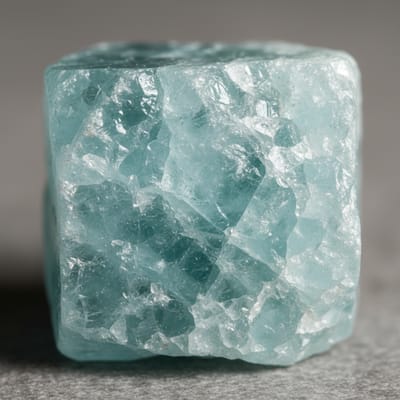
Aquamarine is a natural gemstone formed deep within the Earth's crust over millions of years. It is a variety of beryl, a mineral composed of beryllium aluminum cyclosilicate (Be3Al2(SiO3)6). The gem forms in pegmatites, which are coarse-grained igneous rocks, often associated with granite intrusions. The distinctive blue color is typically caused by the presence of iron impurities within the crystal lattice.
Grading & Quality Standards
Like diamonds, colored gemstones are evaluated based on a combination of factors. For aquamarine, these include:
- Color: The most critical factor. Deeper, more saturated blues are generally more valuable.
- Clarity: Eye-clean stones are preferred. Minor natural inclusions that do not detract from the beauty are acceptable.
- Cut: The cut should enhance the stone's color and brilliance, maximizing its sparkle while minimizing the appearance of any inclusions. Step cuts, emerald cuts, and oval cuts are popular as they showcase clarity and color well.
- Carat Weight: Larger stones are rarer and thus more valuable, especially in fine, deep blue hues.
There isn't a universal grading system like the 4 Cs for diamonds, but reputable jewelers often use their own grading scales or describe stones based on these key attributes.
Buying Guide
When purchasing aquamarine, consider the following:
- Color: Decide on your preferred shade of blue. A rich, clear blue is generally most desirable, but lighter or greenish-blue stones can be beautiful and more affordable.
- Clarity: Look for stones that appear eye-clean. Hold the stone under magnification to check for inclusions, but remember that slight, natural inclusions are normal.
- Cut: Ensure the cut is well-proportioned and free from significant flaws. A good cut will make the stone appear brighter and more lively.
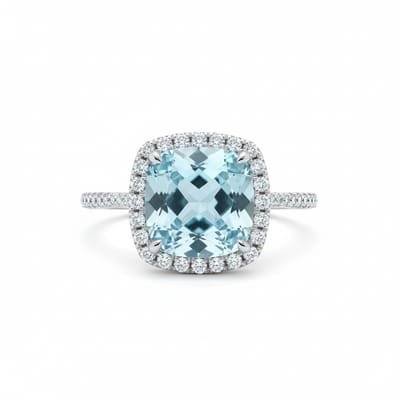
- Setting: Aquamarine's hardness makes it suitable for most jewelry types. Consider how it will be set. Bezel settings offer excellent protection for the gemstone.
- Source: While Brazilian aquamarine is often considered premium, high-quality stones can come from various locations.
- Certification: For significant purchases, consider obtaining a grading report from a reputable gemological laboratory.
Price Range & Value Factors
Aquamarine prices vary widely depending on the 4 Cs, with color being the most influential factor. Key value drivers include:
- Color saturation and hue: Intense, pure blue colors command higher prices. Stones with a desirable greenish-blue or sky-blue hue can also be valuable.
- Clarity: Eye-clean stones are more valuable than those with visible inclusions.
- Size: Larger aquamarines (over 5 carats) are significantly rarer and thus more expensive per carat.
- Cut: A well-executed cut that maximizes brilliance and color can increase value.
- Treatment: Most aquamarine on the market is untreated. However, some stones may be heat-treated to improve their color. This is generally accepted and disclosed by reputable sellers.
Prices can range from under $100 for smaller, lighter stones to several thousand dollars for large, exceptionally colored, and flawless specimens.
Care and Maintenance
Aquamarine is relatively durable but requires some care to maintain its beauty:
- Cleaning: Clean with warm water, mild soap, and a soft brush. Rinse thoroughly and dry with a lint-free cloth. Avoid harsh chemicals, ultrasonic cleaners, and steam cleaners, as these can damage the gemstone or its setting.
- Storage: Store aquamarine jewelry separately from other pieces to prevent scratching. Use a soft pouch or a lined jewelry box.
- Avoidance: Remove aquamarine jewelry before engaging in strenuous activities, cleaning, or applying cosmetics and perfumes, as these can dull the stone's luster or damage its setting.
Pros and Cons
Pros:
- Beautiful, serene blue colors
- Good durability for everyday wear
- Often available in larger sizes
- Generally affordable compared to other blue gemstones like sapphires
- Eye-clean clarity is common
Cons:
- Can be prone to scratching if exposed to harder materials
- Lighter colors may lack vibrancy
- Some stones might have a greenish tint which may not appeal to all buyers
- Color can fade with prolonged exposure to strong light or heat
Famous Examples
One of the most famous aquamarines is the 'Eyes of the Mermaid', a large, cushion-cut aquamarine, once owned by Eva Peron. Another notable example is the 160-carat aquamarine pendant designed by Bulgari, renowned for its exquisite color and clarity.
Common Misconceptions
- All blue gemstones are sapphires: Aquamarine offers a distinct blue, often softer and more watery than sapphire, and comes from a different mineral family.
- Heat treatment is always bad: For aquamarine, controlled heat treatment can sometimes enhance color and is a common, accepted practice disclosed by sellers.
- Deeper blue is always better: While deep blue is often prized, lighter, clear blues and greenish-blues are also beautiful and can be equally valuable depending on the market and personal preference.
Related Terms
- Beryl
- Emerald
- Morganite
- Heliodor
- Gemstone
- Precious Stone
- Mohs Hardness Scale
- Inclusions
- Carat
FAQs
What is the most valuable color of aquamarine?
The most valuable aquamarine color is a deep, pure blue, often described as 'Sant-Maria' blue, named after a particularly rich deposit in Brazil. However, intense, vibrant blues with minimal secondary tones are highly prized regardless of their specific name.
Is aquamarine a precious or semi-precious gemstone?
Aquamarine is typically classified as a semi-precious gemstone. While it shares some characteristics with precious gemstones like diamonds, sapphires, rubies, and emeralds, it is generally more abundant and less expensive, though high-quality, large specimens can be very valuable.
Can aquamarine be worn every day?
Yes, aquamarine is durable enough for everyday wear in rings, pendants, and earrings due to its 7.5-8 rating on the Mohs scale. However, it's advisable to remove it during strenuous activities or when exposed to harsh chemicals to prevent damage.
How can I tell if aquamarine is real?
Real aquamarine has a distinct hardness, specific gravity, and refractive index. It's typically eye-clean. If a stone is very inexpensive, has visible flaws, or exhibits unusual optical properties, it may be synthetic or a simulant. Consulting a professional jeweler or gemologist is the best way to authenticate aquamarine.
Does aquamarine fade?
Aquamarine's color can fade if exposed to prolonged, intense light or heat. While this is generally not a significant concern for typical wear, it's wise to avoid storing aquamarine jewelry in direct sunlight for extended periods.