Amethyst: The Purple Gem of Royalty and Tranquility
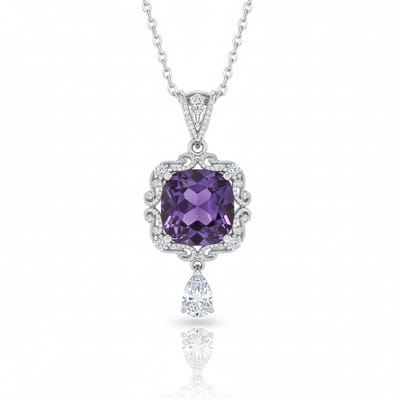
Amethyst, a breathtaking variety of quartz, captivates with its mesmerizing shades of purple, ranging from delicate lilac to deep, intense violet. Revered throughout history for its beauty and symbolic meaning, amethyst has long been a cherished gemstone in fine jewelry. Its accessibility, durability, and stunning color make it a popular choice for rings, necklaces, earrings, and bracelets.
Key Features
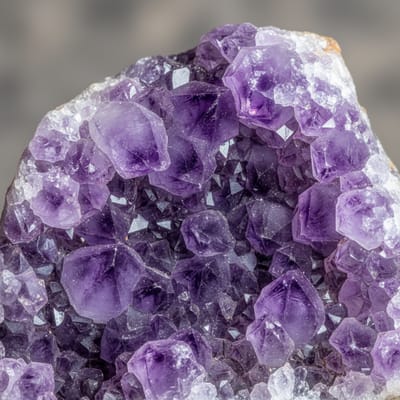
Amethyst is a silicon dioxide (SiO2) mineral belonging to the quartz group. Its distinctive purple color is attributed to trace amounts of iron impurities within the crystal lattice, which are exposed to natural irradiation over geological time. This phenomenon is responsible for the wide spectrum of purple hues found in amethysts.
- Color: The most sought-after color is a rich, deep purple with reddish or bluish undertones, often referred to as 'Deep Siberian' or 'Royal Amethyst'. Lighter shades are also beautiful and often more affordable.
- Clarity: Like most gemstones, amethyst is graded for clarity. Eye-clean amethysts, with no visible inclusions to the naked eye, are most desirable. Small, natural inclusions are common and can sometimes even enhance the stone's character.
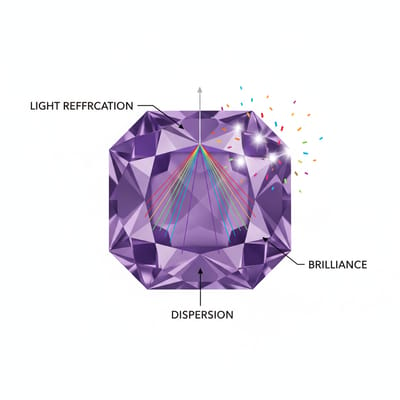
- Cut: Amethyst is cut into various shapes, including round, oval, pear, emerald, and cushion cuts. The cut significantly impacts the stone's brilliance and how its color is displayed. Faceted cuts are most common to maximize sparkle.
- Hardness: With a Mohs hardness of 7, amethyst is sufficiently durable for everyday wear in most types of jewelry. It is resistant to scratching but can be chipped or fractured if subjected to hard blows.
- Luster: Amethyst exhibits a vitreous (glassy) luster, which contributes to its attractive appearance when polished.
Origin and History
The name 'amethyst' originates from the ancient Greek word 'amethystos', meaning 'not intoxicated'. The Greeks believed that amethyst possessed the power to prevent drunkenness and instill sobriety. This belief stemmed from the gemstone's purple color, which they associated with wine.
Amethyst has a rich history, adorning the jewelry of ancient Egyptians, Romans, and Greek royalty. It was considered a stone of nobility, spirituality, and protection. Throughout the Middle Ages, it was frequently used in ecclesiastical jewelry, symbolizing piety and celibacy.
Historically, significant amethyst deposits were found in regions like ancient India, Sri Lanka, and Siberia. For centuries, only royalty and the wealthy could afford large, high-quality amethysts due to their rarity. However, the discovery of vast amethyst mines in Brazil in the 18th century dramatically increased the supply, making this beautiful gemstone accessible to a wider audience.
Types / Variations
While the primary characteristic that differentiates amethysts is their color intensity and hue, some specific sources or types are recognized:
- Siberian Amethyst: Once considered the finest, this type is characterized by a deep purple color with red and blue flashes. Today, high-quality amethyst resembling Siberian hues often comes from other sources like Zambia.
- Zambian Amethyst: Known for its intense, deep purple coloration and often high clarity, Zambian amethysts are highly prized.
- Brazilian Amethyst: This is the most abundant source of amethyst, offering a wide range of colors from light to deep purple. While often more affordable, exceptional quality Brazilian amethysts can rival the finest.
- African Amethyst: Amethysts from Africa, particularly Zambia, are often noted for their rich color saturation.
- Capped Amethyst: This term refers to amethyst crystals where the tips are a deeper purple, fading to a lighter or colorless hue towards the base.
Occasionally, amethyst may exhibit color zoning, where different shades of purple are unevenly distributed within the stone. Some amethysts may also undergo heating, which can alter or enhance their color.
How It's Made
Amethyst is a naturally occurring gemstone formed within the cavities of igneous rocks, particularly volcanic rocks. As molten lava cools, gas bubbles create hollow spaces, or geodes. Over millions of years, mineral-rich water seeps into these cavities. As the water evaporates or cools, dissolved silica crystallizes, forming the characteristic hexagonal structure of quartz, including amethyst, lining the interior walls of the geode.
The iron impurities present in the silica, along with natural radiation from surrounding rocks, interact to produce the purple color. The intensity and shade of purple depend on the concentration of iron and the degree of irradiation.
Grading & Quality Standards
Like other precious gemstones, amethyst quality is assessed based on the four Cs, adapted for colored gemstones:
- Color: This is the most critical factor for amethyst. The ideal color is a medium to dark, vivid purple with good saturation and no muddy or brownish tones. A slight reddish or bluish flash is desirable.
- Clarity: Amethysts are typically eye-clean, meaning no inclusions are visible to the naked eye. Minor inclusions that do not detract from the stone's beauty are acceptable, especially in less expensive stones.
- Cut: A well-proportioned cut maximizes the amethyst's brilliance and color. Poorly cut stones can appear dull or have uneven color distribution.
- Carat Weight: Amethyst is available in a wide range of sizes. Larger stones are more readily available than in many other colored gemstones due to abundant sources, so size alone doesn't dictate value as much as color and clarity.
Beyond the 4Cs, the origin of the amethyst can also influence its perceived quality and value, with stones from certain locations (like Zambia) sometimes commanding higher prices due to their superior color saturation.
Buying Guide
When purchasing amethyst, consider the following:
- Color: Look for a vibrant purple that appeals to you. Avoid stones with a dull, grayish, or brownish cast. While deep purple is often prized, a beautiful lighter shade can be equally attractive.
- Inclusions: While eye-clean is preferred, small, natural inclusions are acceptable and often indicate a natural, untreated stone. Avoid stones with inclusions that compromise durability or significantly detract from the appearance.
- Cut Quality: Ensure the stone is well-cut to maximize its sparkle and color. Look for symmetry and a finish that allows light to reflect evenly.
- Setting: Amethyst's hardness makes it suitable for most jewelry settings. For rings, consider protective settings like bezels, especially for daily wear, to minimize the risk of chipping.
- Treatment: Most amethyst on the market is natural and untreated. However, some amethysts may be heat-treated to enhance their color. This is a common and acceptable treatment, but it should be disclosed by the seller.
- Price: Amethyst offers excellent value for money, providing a beautiful, durable gemstone at an accessible price point. Focus on the balance of color, clarity, and cut that fits your budget.
Price Range & Value Factors
Amethyst is one of the most affordable precious gemstones. Its price is primarily determined by:
- Color: The most significant factor. Deeper, more saturated purples with good brilliance command higher prices than lighter or less intense shades.
- Clarity: Eye-clean stones are more valuable than those with noticeable inclusions.
- Size: While larger amethysts are readily available, very large, exceptionally high-quality stones will naturally be more expensive.
- Origin: Exceptional amethysts from sources like Zambia may fetch higher prices.
- Cut: A skillfully executed cut that enhances color and brilliance adds value.
Prices can range from a few dollars per carat for smaller, lighter-colored stones to upwards of $20-$50 per carat or more for large, high-quality, deeply colored specimens. Fine jewelry pieces featuring amethyst are generally very affordable compared to those with other precious gemstones.
Care and Maintenance
Amethyst is relatively durable but requires proper care to maintain its beauty:
- Avoid Harsh Chemicals: Keep amethyst jewelry away from household cleaners, perfumes, hairsprays, and other chemicals, which can dull the stone's polish or even cause damage over time.
- Remove Before Activities: Take off amethyst jewelry before engaging in strenuous activities, sports, or household chores that could lead to impact or abrasion.
- Cleaning: Clean amethyst gently with a soft brush, warm water, and mild soap. Rinse thoroughly and dry with a soft, lint-free cloth. Avoid ultrasonic cleaners and steam cleaners, as they can potentially damage the stone or loosen settings.
- Storage: Store amethyst jewelry separately from other gemstones and metals to prevent scratching. Use a soft pouch or a lined jewelry box.
- Sunlight Exposure: Prolonged exposure to direct sunlight can cause amethyst to fade over time. Store your amethyst jewelry away from direct light when not being worn.
Pros and Cons
Pros:
- Beautiful Color: Its range of purple hues is highly attractive and versatile.
- Affordability: Offers great value, making beautiful jewelry accessible.
- Durability: A Mohs hardness of 7 makes it suitable for everyday wear.
- Availability: Found in a wide range of sizes and qualities.
- Symbolism: Associated with calmness, clarity, and royalty.
Cons:
- Susceptible to Chipping: Can be chipped or fractured if hit hard.
- Color Fading: Prolonged exposure to strong light or heat can cause the color to fade.
- Inclusions: While often minor, some inclusions can affect durability.
Famous Examples
Throughout history, amethyst has adorned royal treasures and significant pieces of jewelry. Notable examples include:
- The Imperial Crown of Austria: Features numerous large amethysts among its many precious gemstones.
- The Archbishop's Ring: Historically, bishops and archbishops in the Catholic Church wore rings set with amethyst, symbolizing their spiritual authority and vows of celibacy.
- The Royal Collection of the United Kingdom: Contains various pieces of jewelry featuring amethyst, often from the Georgian and Victorian eras, showcasing its enduring popularity.
While not always carrying the same individual fame as a specific diamond, amethyst has been a staple in royal and religious regalia for centuries, demonstrating its historical significance and perceived value.
Common Misconceptions
One common misconception is that amethyst is fragile and not suitable for jewelry. While it can be chipped, its Mohs hardness of 7 makes it durable enough for most jewelry types, provided reasonable care is taken.
Another myth is that amethyst must be the deepest purple to be valuable. While deep, vivid purple is highly prized, beautiful amethysts exist in a full spectrum of shades, and personal preference plays a significant role in choosing the right stone.
Finally, the belief that amethyst can cure alcoholism, stemming from its Greek name, is a historical anecdote rather than a scientifically supported property.
Related Terms
- Quartz
- Ametrine (a bicolor quartz with amethyst and citrine zones)
- Prasiolite (green quartz, sometimes made from treated amethyst)
- Gemstone
- Mohs Hardness Scale
- Inclusions
- Faceting
- Geode
FAQs
What is the meaning of amethyst?
Amethyst is traditionally associated with calmness, clarity, spiritual awareness, and sobriety. Its name comes from the Greek word 'amethystos', meaning 'not intoxicated'.
Is amethyst a precious or semi-precious gemstone?
Amethyst is classified as a semi-precious gemstone. While historically rare and highly valued, increased supply has led to this classification.
Is amethyst valuable?
Amethyst offers excellent value. While not as expensive as diamonds or rubies, high-quality, large, and deeply colored amethysts can be quite valuable, especially for collectors.
Can amethyst be worn every day?
Yes, amethyst can be worn every day. Its Mohs hardness of 7 provides good durability for daily wear, though it's wise to avoid subjecting it to hard knocks or abrasive conditions.
How can I tell if amethyst is real?
Real amethyst is a type of quartz and will have a hardness of 7 on the Mohs scale. It will also typically have some natural inclusions visible under magnification. Glass imitations will be softer and may show bubbles. Be cautious of very uniform color and lack of inclusions, as these can sometimes indicate synthetic or treated stones.
Does amethyst fade in sunlight?
Yes, prolonged and intense exposure to sunlight can cause the color of amethyst to fade over time. It is best to store amethyst jewelry away from direct light when not in use.