Alexandrite: The Gemstone That Changes Color
Alexandrite is one of the most fascinating and valuable gemstones available in the jewelry market. Its unique ability to change color depending on the light source makes it a truly captivating choice for rings, necklaces, earrings, and bracelets. This chameleon-like quality, known as 'color change' or 'pleochroism', is what sets alexandrite apart from other precious stones.
Key Features
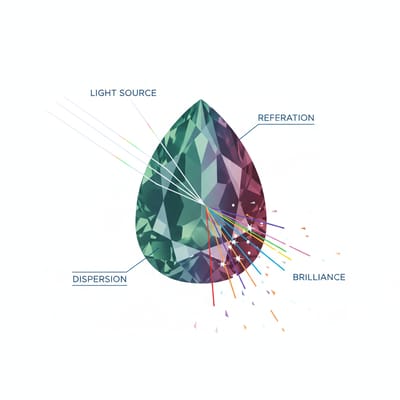
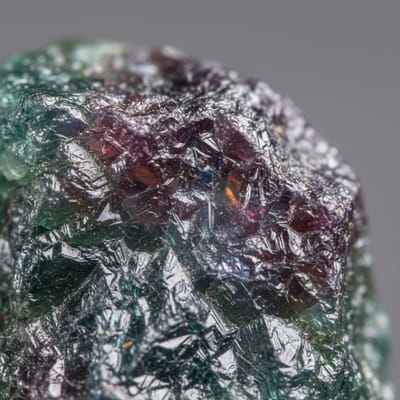
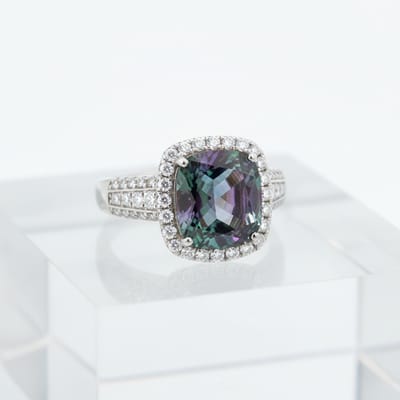
The most striking feature of alexandrite is its remarkable color change. In natural daylight or fluorescent light, it typically appears as a green to bluish-green stone. Under incandescent light or candlelight, it transforms into a vivid red to purplish-red. The intensity and quality of this color change are primary factors in its value. A strong, distinct change from a fine green to a fine red is highly prized.
Besides its color-changing property, alexandrite possesses good hardness, rating an 8.5 on the Mohs scale of hardness. This makes it durable enough for everyday wear in jewelry, though caution should still be exercised to prevent scratches or chips, especially on the edges of the stone.
Alexandrite is a variety of the mineral chrysoberyl. Its chemical formula is BeAl2O4 (Beryllium Aluminum Oxide). The color change is caused by the absorption of certain wavelengths of light by the trace amounts of chromium ions within the crystal structure. The specific way these ions absorb and reflect light differs under different light spectrums, leading to the dramatic color shift.
Origin and History
Alexandrite was first discovered in the Ural Mountains of Russia in the 1830s. It is named after Alexander II, who was the heir to the Russian throne at the time of its discovery. Initially, the stones were mistaken for emerald due to their green appearance in daylight. However, when brought indoors and viewed under lamplight, their distinct red hue revealed their true nature and unique identity.
The Russian alexandrite deposits were renowned for producing some of the finest and most dramatic color-changing stones. For a long time, Russia was the primary source of this rare gem. While other sources have since been discovered, the Russian alexandrite remains highly sought after by collectors and connoisseurs.
Types / Variations
While the classic color change is from green to red, variations exist. The quality of the color change is often described by the ratio of the two main colors. For example, a strong change might be described as 100% green to 100% red. However, most stones exhibit a range, such as 70% green to 70% red.
The purity and intensity of the colors also vary. A fine alexandrite will display rich, saturated hues. Pale or muddy colors are less desirable. The presence of 'inclusions' (internal flaws or foreign substances) can also affect the stone's appearance and value. Some inclusions are natural and acceptable, while others can significantly detract from the beauty and durability.
How It's Made
Natural alexandrite is a product of geological processes that occur deep within the Earth over millions of years. It forms in pegmatites and certain metamorphic rocks. The beryllium and aluminum combine with trace amounts of chromium to create the chrysoberyl structure with its unique color-changing properties.
Due to the rarity and high value of natural alexandrite, synthetic (lab-created) versions are common in the market. These synthetic alexandrites are chemically and physically identical to their natural counterparts and exhibit the same dramatic color change. They are a more affordable option for consumers who desire the unique aesthetic of alexandrite without the high cost of a natural stone.
Grading & Quality Standards
Like other gemstones, alexandrite is graded based on several factors, with color change being paramount. The key elements are:
- Color Change: The strength and clarity of the color shift between different light sources. A wide, distinct, and pleasing color change is most valuable.
- Hue: The specific colors observed in daylight and incandescent light. Greens and reds are most desired, but purplish tones can also be beautiful.
- Saturation: The intensity and purity of the colors. Vibrant, deep colors are more valuable than dull or grayish ones.
- Clarity: The presence or absence of inclusions. Eye-clean stones (no visible inclusions to the naked eye) are more valuable, though some minor inclusions might be acceptable in larger stones.
- Cut: The way the gemstone is faceted influences how light interacts with it, affecting its brilliance and color display. A well-cut stone will maximize the color change and sparkle.
- Carat Weight: As with most gemstones, larger stones are rarer and thus more valuable, especially if they possess excellent color change.
Buying Guide
When purchasing alexandrite, consider the following:
- Natural vs. Synthetic: Be aware of whether you are buying a natural or synthetic alexandrite. Both can be beautiful, but natural stones command a significantly higher price. Always ask for certification from a reputable gemological laboratory.
- Color Change: Examine the stone under different lighting conditions. Observe the transition from daylight to incandescent light. A strong, clear color change is key.
- Color Quality: Look for vivid greens and reds. Avoid stones that appear too dark, muddy, or grayish.
- Clarity: While perfection is rare, aim for a stone that appears clean to the naked eye. Check for any inclusions that might affect durability or appearance.
- Setting: Consider how the stone will be set. Protective settings like bezels are ideal for maximizing durability in rings.
- Certification: Purchase from reputable jewelers and always ask for a gemological laboratory report (e.g., from GIA, SSEF, or AGL) that details the stone's origin (natural or synthetic) and quality characteristics.
Price Range & Value Factors
The price of alexandrite varies dramatically based on its origin, quality, and size. Natural alexandrite, especially from Russia, is very rare and can be extremely expensive, often costing several thousand dollars per carat for exceptional stones. The intensity of the color change is the single most significant factor influencing value.
Synthetic alexandrite is significantly more affordable, typically ranging from tens to a few hundred dollars per carat, depending on quality and size. The value factors remain similar: the strength of the color change, the saturation of colors, clarity, and cut all play a role, even in synthetic stones.
Care and Maintenance
Alexandrite is relatively durable, but proper care is essential to maintain its beauty:
- Cleaning: Clean your alexandrite jewelry regularly with a soft brush, warm water, and mild soap. Avoid harsh chemicals or ultrasonic cleaners, which can damage the stone or loosen the setting. Rinse thoroughly and dry with a soft, lint-free cloth.
- Protection: While hard, alexandrite can still chip or scratch. Avoid wearing alexandrite jewelry during strenuous activities, sports, or while doing household chores. Store your jewelry separately to prevent scratching against other gemstones or metals.
- Avoid Extreme Temperatures: Sudden temperature changes can potentially stress the stone.
Pros and Cons
Pros:
- Unique and fascinating color-changing property.
- Durable enough for everyday wear (8.5 Mohs hardness).
- A relatively rare and valuable gemstone, especially natural specimens.
- Available in both natural and affordable synthetic forms.
- Makes for a distinctive and conversation-starting piece of jewelry.
Cons:
- Natural alexandrite is rare and expensive.
- Color change can be subtle in lower-quality stones.
- Can be prone to chipping or scratching if not handled with care.
- Synthetic versions, while beautiful, lack the rarity and investment value of natural stones.
Famous Examples
While specific famous alexandrites are less publicized than some diamonds or rubies, many exceptional specimens exist in private collections and museums. Historically, the Russian imperial family was known to possess fine alexandrite pieces. The unique nature of the gem makes it highly desirable among collectors, and significant stones often feature in specialized auctions.
Common Misconceptions
One common misconception is that all color-changing stones are alexandrite. While other gemstones exhibit color change (like some garnets or sapphires), true alexandrite is a specific variety of chrysoberyl with a characteristic color shift. Another misconception is that synthetic alexandrite is significantly inferior to natural. In terms of beauty and color change, synthetics can be just as stunning and are often more consistent in quality.
Related Terms
- Chrysoberyl
- Color Change Gemstone
- Pleochroism
- Beryllium Aluminum Oxide
- Synthetic Gemstone
FAQs
What causes alexandrite to change color?
The color change in alexandrite is caused by the presence of trace amounts of chromium ions within the chrysoberyl crystal structure. These ions absorb certain wavelengths of light, and the way they absorb and reflect light differs under different light sources (like daylight versus incandescent light), resulting in the visible color shift.
Is natural alexandrite more valuable than synthetic?
Yes, natural alexandrite is significantly more valuable than synthetic alexandrite. This is due to its rarity, the geological processes required for its formation, and its historical significance. Synthetic alexandrite is chemically and physically the same but is produced in a lab, making it much more abundant and affordable.
How can I tell if alexandrite is real?
Distinguishing between natural and synthetic alexandrite requires expertise or a gemological report. A trained gemologist can identify subtle differences in inclusions, growth patterns, and optical properties. For consumers, the best way to ensure authenticity is to purchase from a reputable jeweler and always request a certificate from a recognized gemological laboratory.
Is alexandrite a good gemstone for an engagement ring?
Alexandrite can be a good choice for an engagement ring due to its hardness (8.5 on the Mohs scale), making it durable for daily wear. Its unique color-changing property also makes it a distinctive and personal choice. However, due to its value and rarity (especially natural stones), a protective setting like a bezel or halo is recommended to safeguard it against potential damage.
What are the most desirable colors for alexandrite?
The most desirable colors for alexandrite are a vivid green to bluish-green in daylight and a rich red to purplish-red under incandescent light. The stronger and more distinct the color change between these desirable hues, the more valuable the stone.